The Problem: The NNMT “Brake Pedal”
As we age, or as fat tissue increases, our bodies produce more NNMT. Think of NNMT as a “brake pedal” on your cellular energy production. This enzyme consumes a vital molecule called Nicotinamide (NAM), diverting it away from a process known as the NAD+ salvage pathway.
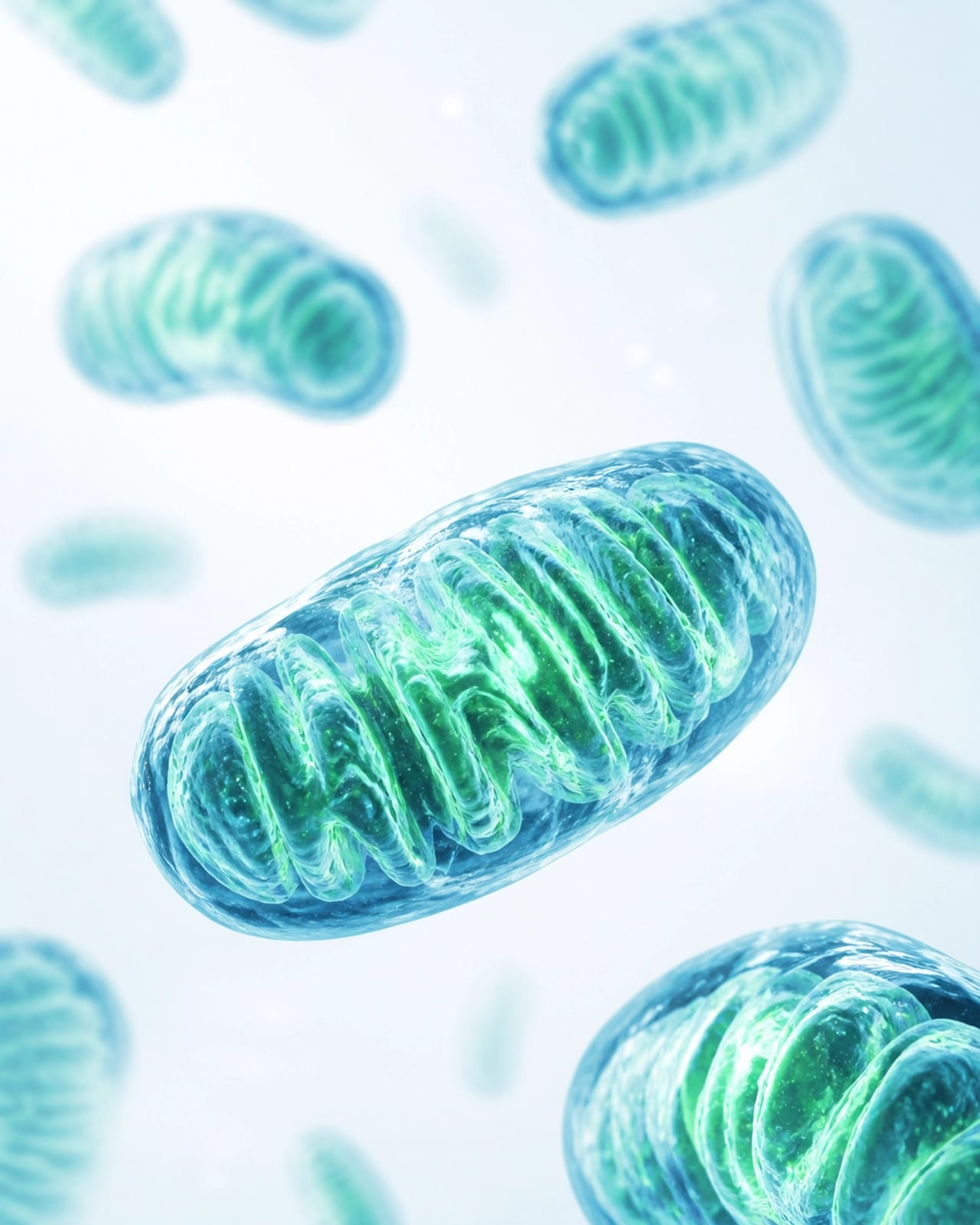
NAD+ (Nicotinamide Adenine Dinucleotide) is the “fuel” that your mitochondria: the power plants of your cells: need to produce energy. When NNMT is too active, it “steals” the raw materials needed to make NAD+. The result? Your “fuel tanks” run low, your power plants (mitochondria) become sluggish, and your fat cells stop burning calories efficiently.
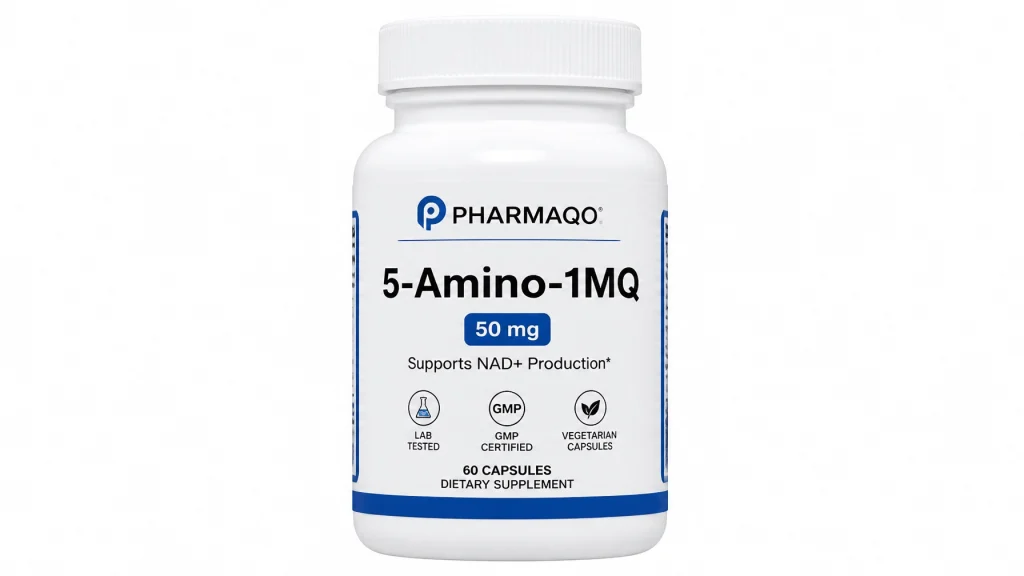
Focus on this: If you cannot lower your NNMT levels, your fat cells remain in “storage mode” regardless of how much you exercise. 5-Amino-1MQ is a targeted NNMT inhibitor, meaning it steps in to block this enzyme, effectively taking your foot off the brake.
[VIDEO PLACEHOLDER: How NNMT Affects Your Metabolism]
The Solution: Mechanism of Metabolic Activation
How does 5-Amino-1MQ actually work? The process is a domino effect of biological optimization. When you introduce an NNMT inhibitor, you are fundamentally rerouting your cellular resources.
- Enzyme Inhibition: 5-Amino-1MQ binds to the NNMT enzyme, preventing it from processing NAM.
- NAD+ Restoration: Because NAM is no longer being wasted, your body uses it to build more NAD+.
- Sirtuin Activation: Higher NAD+ levels act as a signal to “quality control” proteins called Sirtuins (specifically SIRT1 and SIRT3).
- Mitochondrial Biogenesis: These Sirtuins then trigger PGC-1α, a master regulator that tells your body to build new and better mitochondria.
Imagine a factory that has been running on old, sputtering generators. 5-Amino-1MQ provides the funding (NAD+) to replace those old generators with a brand-new, high-efficiency power grid.
5-Amino-1MQ: A Biological Comparison
| Feature | Traditional Stimulants | 5-Amino-1MQ |
|---|---|---|
| Primary Mechanism | Heart rate/CNS stimulation | Enzyme inhibition (NNMT) |
| Energy Source | Adrenaline-based | Mitochondrial efficiency |
| Target Tissue | Central Nervous System | Adipose (Fat) & Muscle tissue |
| Impact on NAD+ | Negligible | Positive increase |