
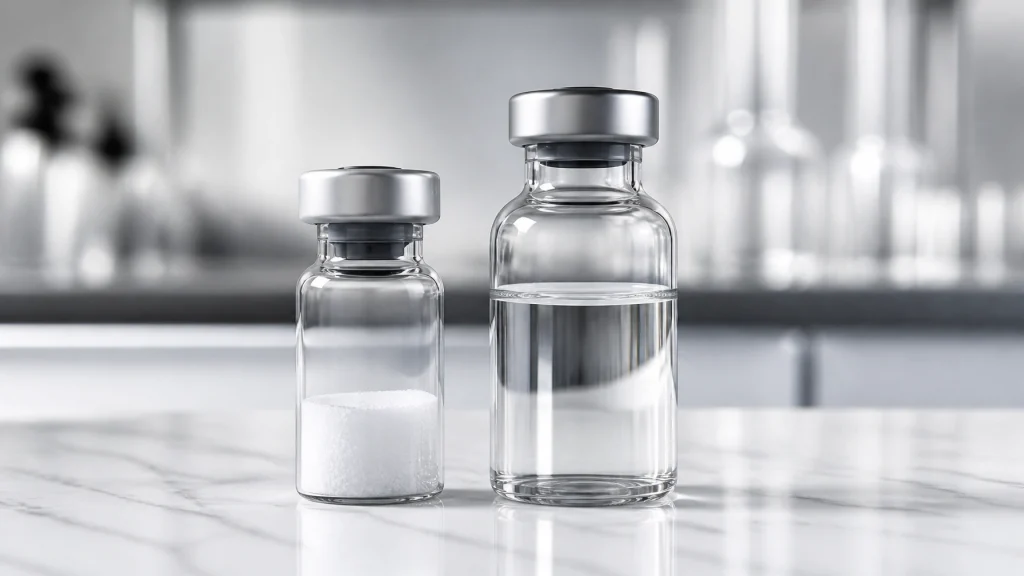
Step 1: Gather Your Research Arsenal
Before you even think about cracking a seal, you need the right environment and the right tools. Research is a discipline, and your setup should reflect that “scientific luxury” vibe: clean, organized, and professional.
To get started, you’ll need:
- Your Research Peptide: (e.g., Ret 10mg or Tirz).
- Bacteriostatic Water (Bac Water): This is sterile water containing 0.9% benzyl alcohol, which acts as a preservative to prevent bacterial growth. You can find high-quality Bac water for peptides here.
- Alcohol Prep Pads: For sterilizing vial tops.
- Insulin Syringes: Typically 1mL (100 units) for precise measurement.
- A Peptide Calculator: Our interactive tool at wlaustralia.com.au makes the math effortless.
Pro Tip: Never use plain sterile water if you plan on using the vial more than once. Bac water is the industry standard for multi-dose research applications.
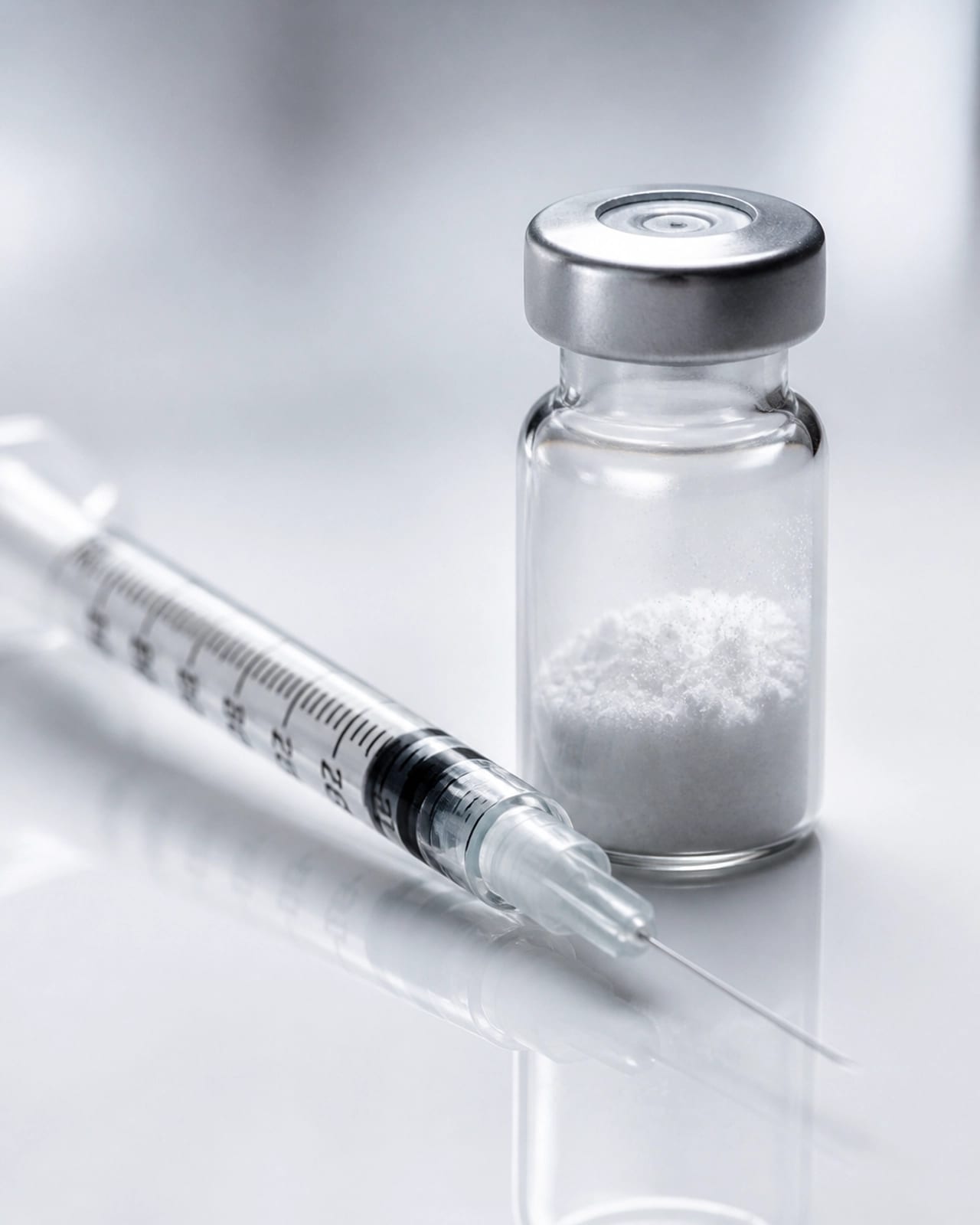
Step 2: Deciphering the Math (Mg vs. Mcg)
This is where many researchers get tripped up. The most important thing to remember is the conversion: 1 milligram (mg) = 1,000 micrograms (mcg).
Most research protocols are measured in micrograms, while the vials are sold in milligrams. For example, if you have a 10mg vial of Ret and your research protocol calls for a 500mcg dose, you essentially have 20 doses in that one vial.
But how much liquid do you actually pull into the syringe? That depends entirely on how much bac water for peptides you add during reconstitution.
- Add 1mL of water to a 10mg vial? Your concentration is 10,000mcg per 1mL.
- Add 2mL of water to a 10mg vial? Your concentration is 5,000mcg per 1mL.
Understanding this ratio is key to accurate reconstitution calculator peptide usage. If the math feels like a hurdle, don’t worry: that’s exactly why we built the calculator tool.
