
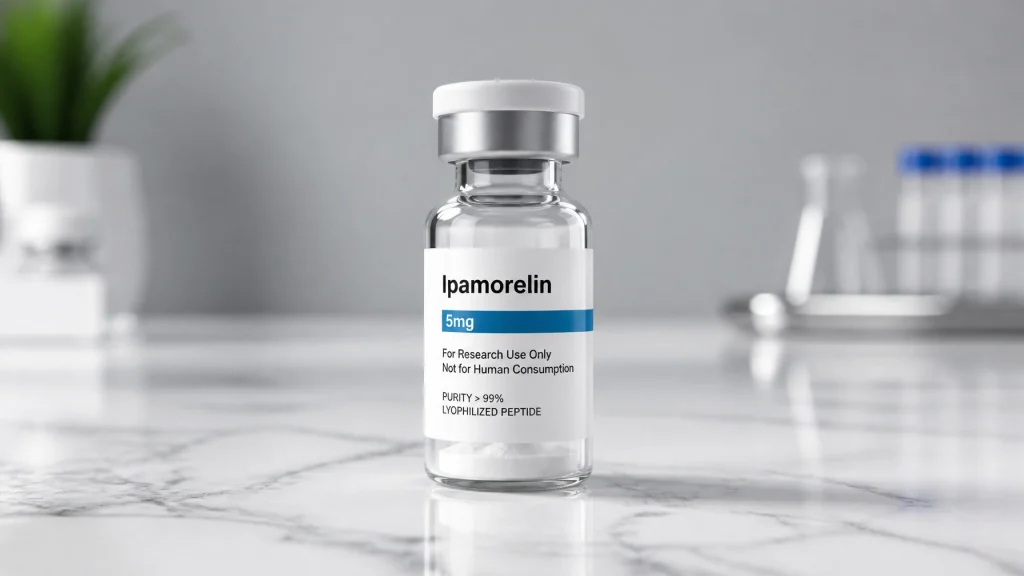
What is a Secretagogue, Anyway?
Before we dive into the dense medical jargon, let’s simplify. A growth hormone secretagogue is essentially a “signaling molecule.”
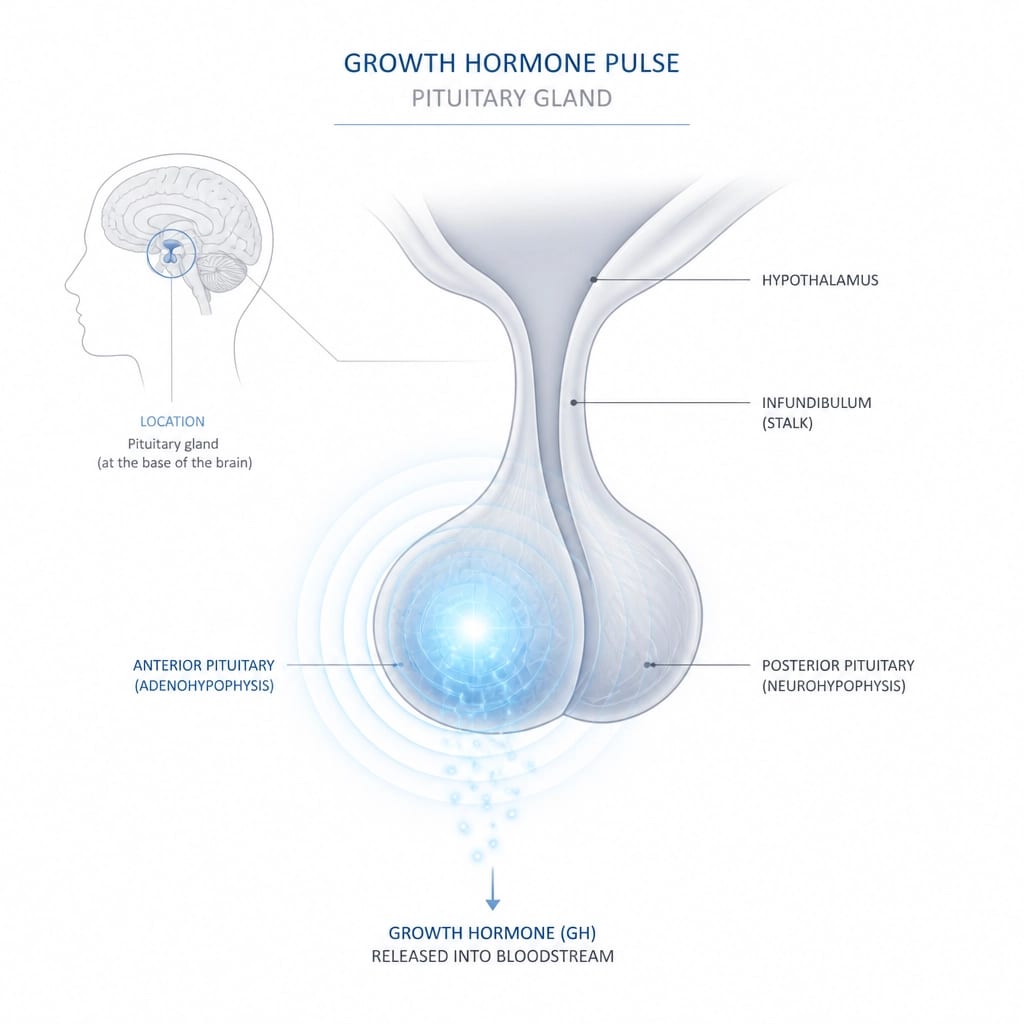
Think of your pituitary gland as a high-end factory that produces GH. As we age (specifically after 30, where GH drops by about 14% every decade), that factory starts to slack off. The lights are on, but nobody’s home.
Ipamorelin acts as the “friendly supervisor.” It walks into the factory and tells the workers to ramp up production. It doesn’t replace the workers; it just gives them the motivation to do their jobs again. This results in a pulsatile release of GH that mimics the way your body naturally secreted hormones in your early 20s.
The Ipamorelin Edge: Why It’s “Third-Gen” Tech
Not all secretagogues are created equal. In the early days, we had GHRP-6 and GHRP-2. They were powerful, sure, but they were about as subtle as a car alarm.
If you’ve ever tried GHRP-6, you know the “ghrelin hunger” is real. You’ll inject, and 15 minutes later, you’re raiding the fridge like a man possessed. Worse, those older compounds often caused spikes in cortisol (the stress hormone) and prolactin (which can lead to some… let’s say, unwanted chest tissue in men).
Ipamorelin is different. It is a highly selective GHS-R1a agonist. In English? It’s targeted.
- Zero Hunger Spikes: It mimics ghrelin to trigger GH release, but it doesn’t hit the “eat everything” button in your brain.
- Clean GH Pulse: It provides a dose-dependent surge in growth hormone without messing with your stress axis or prolactin levels.
- No “Bleeding” Release: It maintains the natural peaks and valleys of your endocrine system.
