
The Sieve Analogy: What is Bioavailability?
Before we get into the “how-to,” we need to understand the “what.” In the world of clinical luxury, Bioavailability is the golden metric. It refers to the fraction of an administered dose of unchanged drug that reaches the systemic circulation.
Think of it like pouring water into a bucket through a sieve. If you pour directly into the bucket (injection), you get 100% of the water. If you pour it through a sieve (the digestive system), some of it splashes away, some gets stuck in the mesh, and only a portion makes it to the bottom.
For most standard oral peptides, the “sieve” of the stomach is brutal. Stomach acid and digestive enzymes like pepsin and trypsin are designed to break down proteins into tiny fragments. Since peptides are essentially short chains of amino acids, your stomach sees them as food, not as a high-tech metabolic signal. Without the right protection, your bioavailability can drop to less than 1%.
But don’t worry: science has found the bypass.
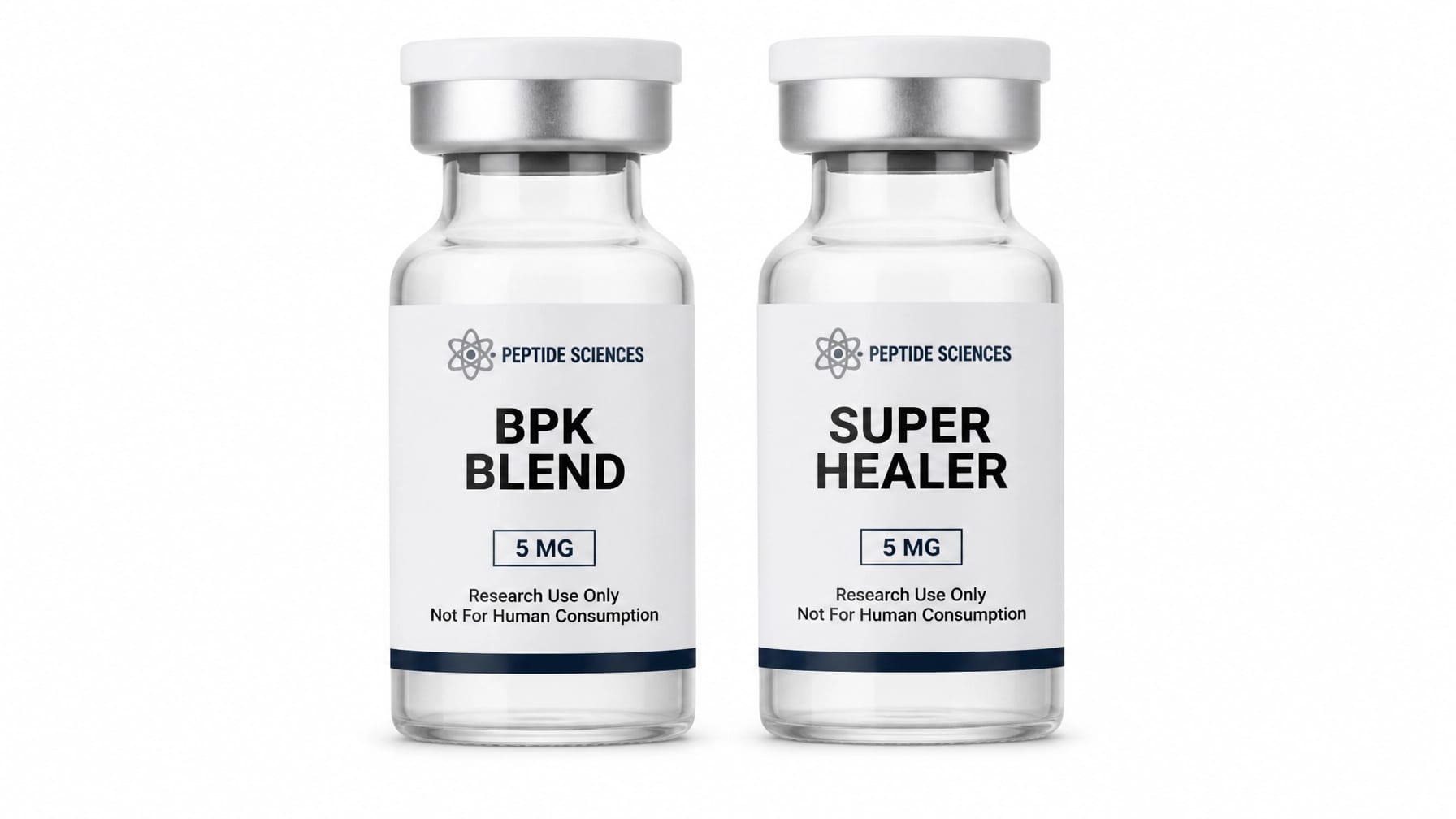
Secret #1: The Sublingual Fast Track
If you want to bypass the “stomach acid gauntlet” entirely, sublingual absorption is your best friend. This involves placing the compound under the tongue, where the mucosal membrane is thin and packed with a dense network of capillaries.
Why it Works
When a compound is absorbed sublingually, it enters the bloodstream directly. This avoids First-Pass Metabolism in the liver. Instead of being filtered and degraded by the digestive tract, the “Research Peptide” (whether it’s a beauty-focused AHK-Cu or a metabolic powerhouse) goes straight to work.
Matt’s Pro-Tip for Sublingual Success:
To get the most out of your sublingual drops or melts:
- Maximize Contact Time: Don’t just swallow. Hold the liquid or tablet under the tongue for at least 60-90 seconds.
- Clean Palette: Avoid food or drink for 15 minutes before and after dosing. You don’t want your coffee interfering with the mucosal uptake.
- The “Dry” Technique: Make sure your mouth isn’t overly flooded with saliva, which can dilute the concentration.
