
What is NNMT? The Metabolic Handbrake
To understand why JBSNF-000088 is so revolutionary, we have to look at the enzyme it targets: Nicotinamide N-methyltransferase, or NNMT.
In the simplest terms, NNMT is a cytosolic enzyme that lives primarily in your liver and white adipose tissue (that’s the stubborn fat we’re all trying to optimize). Its primary job is to methylate nicotinamide (NAM). Now, why does this matter to you? Because NAM is a critical precursor in the NAD+ salvage pathway.
When NNMT levels are high: which research shows is common in cases of obesity and Type 2 Diabetes: the enzyme basically “steals” the raw materials your body needs to create NAD+. As many biohackers know, NAD+ is the “currency” of cellular energy. Less NAD+ means slower metabolism, lower energy expenditure, and a body that is primed to store fat rather than burn it.
By utilizing an NNMT inhibitor like JBSNF-000088, researchers are looking to stop this “theft” and restore the body’s natural fat-burnin’ efficiency.
JBSNF-000088: The Scientific Breakdown
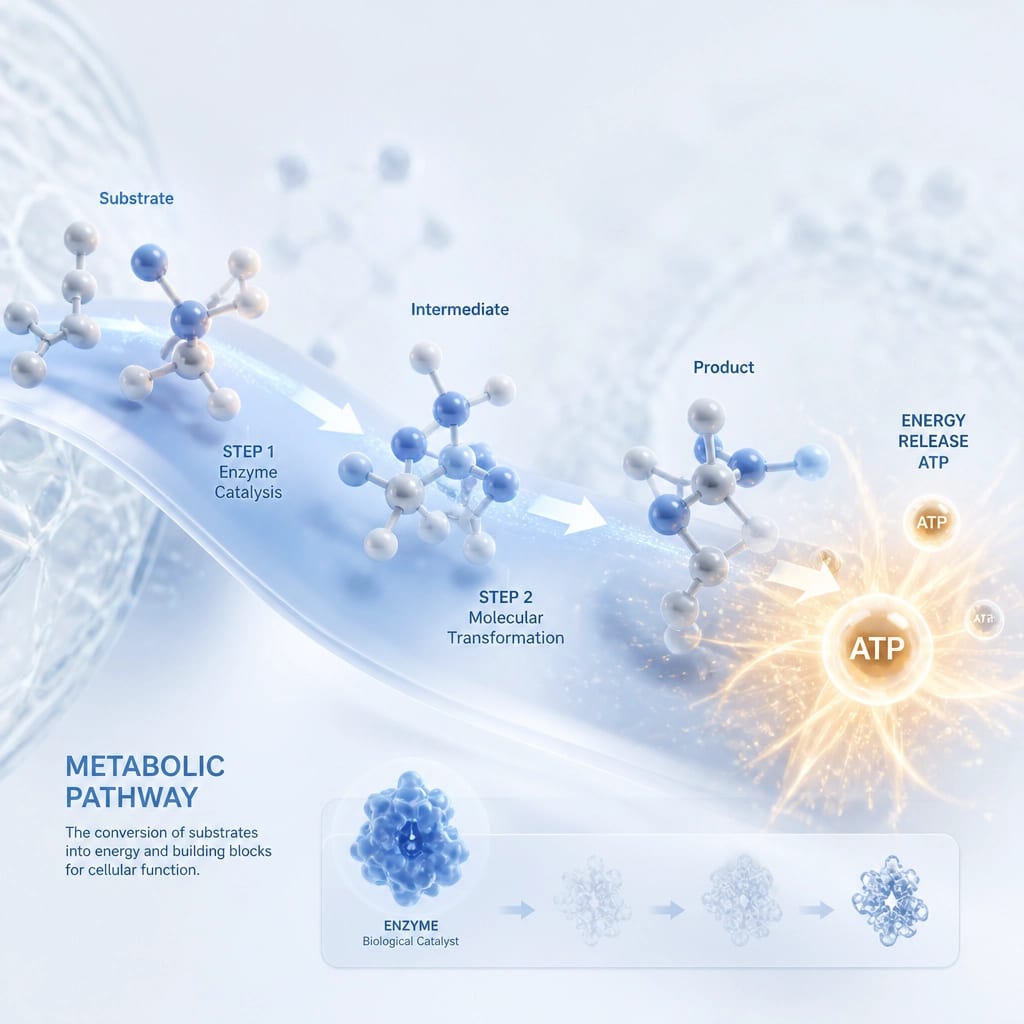
JBSNF-000088 is a potent, small-molecule inhibitor of NNMT. In the clinical resurch space, it’s classified as a “slow-turnover substrate analog.” It essentially steps into the active site of the NNMT enzyme and shuts it down, preventing it from converting NAM into 1-methyl-nicotinamide (MNA).
The “Fat-Burnin” Mechanism
When JBSNF-000088 enters the system, a fascinating chain reaction occurs:
- NNMT Inhibition: The compound binds to the NNMT enzyme with high affinity (IC50 ≈ 1.8 µM in humans).
- NAM Preservation: Because the enzyme is blocked, nicotinamide (NAM) levels begin to rise.
- NAD+ Boosting: This extra NAM is funneled back into the salvage pathway, significantly increasing tissue NAD+ levels.
- Sirtuin Activation: Higher NAD+ levels activate SIRT1, the “longevity gene,” which tells the mitochondria to ramp up fatty acid oxidation.
- Energy Expenditure: The body shifts from a storage-heavy state to an energy-burning state, effectively “turning up the heat” on your metabolic furnace.
This isn’t just theory. In resurch involving high-fat-diet (HFD) obese mice, the administration of JBSNF-000088 led to a direct reduction in body weight and a normalization of glucose tolerance. We are talkin’ about metabolic transformation at the cellular level.
