
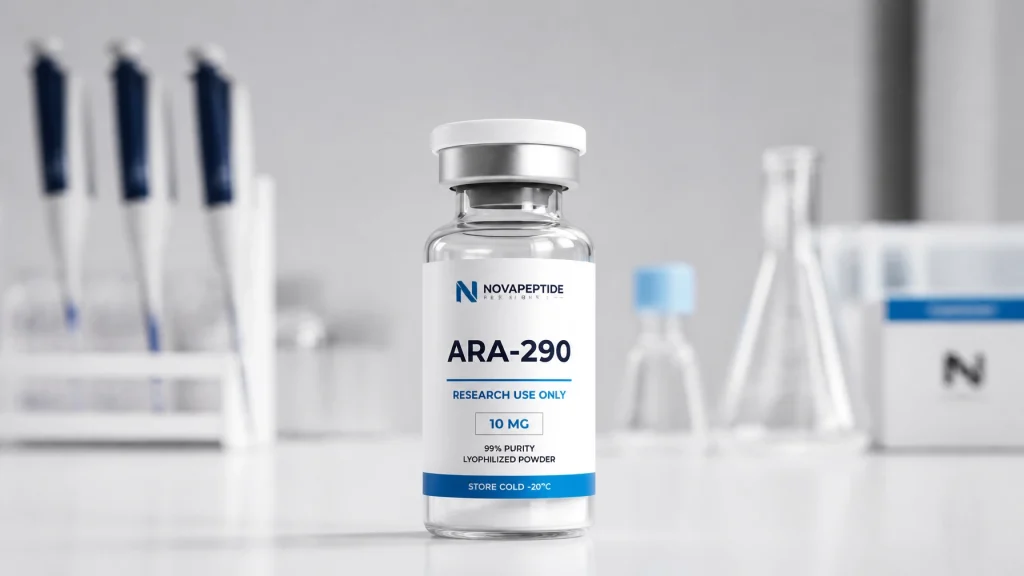
What Exactly is ARA-290?
At its core, ARA-290 is an 11-amino acid peptide. It was engineered as a specialized derivative of erythropoietin (EPO): the hormone most people associate with red blood cell production. However, ARA-290 is fundamentally different.
Traditional EPO binds to a homodimeric receptor to pump up your red blood cell count. ARA-290, on the other hand, is non-erythropoietic. It ignores the blood-building pathways entirely and focuses all its energy on a very specific target: the Innate Repair Receptor (IRR).
By targeting the IRR, ARA-290 acts as a “master switch” for tissue protection and anti-inflammation. In the research community, it’s often referred to as a cytoprotective powerhouse because it doesn’t just dull the pain: it works to Combat the underlying inflammatory environment that causes nerve damage in the first place.
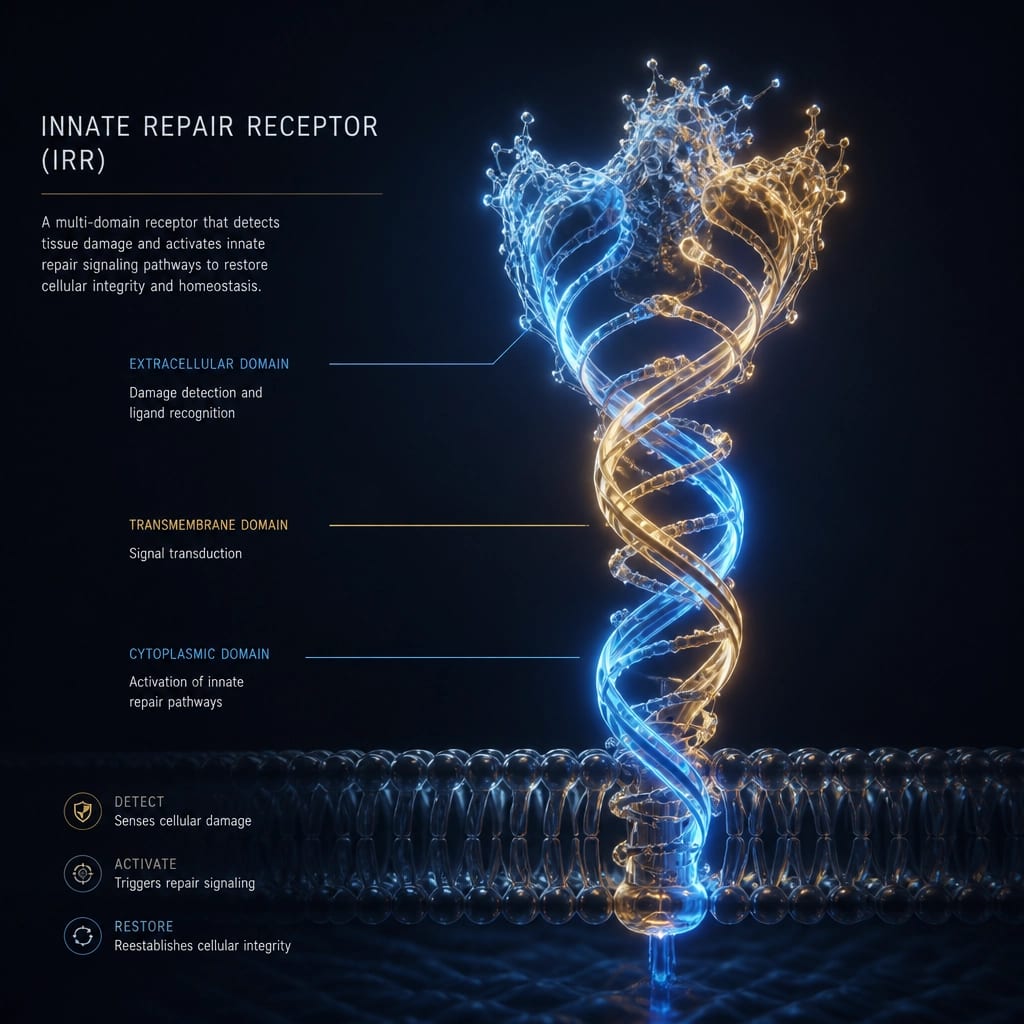
The Science of the Innate Repair Receptor (IRR)
Why does the IRR matter so much? In a healthy body, this receptor is barely present. However, when tissues are stressed, inflamed, or damaged, the body “up-regulates” the IRR as a distress signal.
When ARA-290 enters the system, it binds to these activated receptors and initiates a cascade of Transformative cellular events:
- Anti-Inflammatory Signaling: It suppresses the production of pro-inflammatory cytokines that keep nerves in a state of hyper-excitation.
- Cytoprotection: It triggers survival pathways (like Akt and ERK kinases) that prevent further cell death in the affected area.
- Neurite Outgrowth: This is the big one. Research indicates that ARA-290 actually promotes the regrowth of small nerve fibers, making it a “disease-modifying” candidate rather than just a symptom blocker.
In our VIP Club, we often discuss the importance of metabolic pathways. The IRR is the ultimate pathway for anyone looking to optimize recovery from chronic stressors.
