
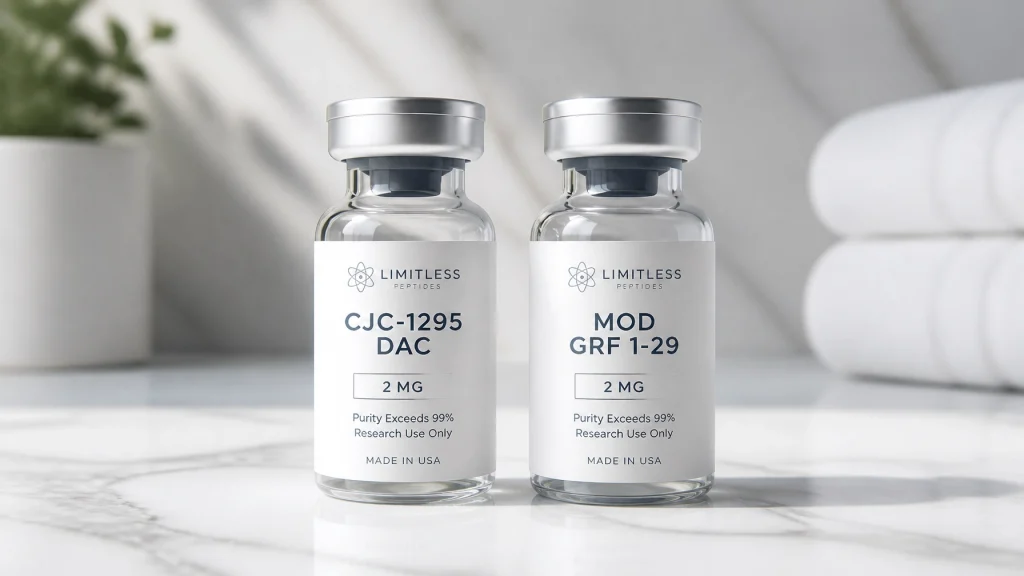
The Foundation: What exactly is CJC-1295?
Before we get into the “DAC” vs “No DAC” drama, let’s lay the scientific groundwork. CJC-1295 is a synthetic analog of Growth Hormone Releasing Hormone (GHRH). In the biological theater, GHRH is the conductor that tells the pituitary gland, “Hey, it’s time to release some growth hormone (GH).”
By introducing a GHRH analog, researchers can stimulate a natural increase in GH secretion. Unlike direct GH injections: which can sometimes shut down the body’s natural production: GHRH analogs like these work with the body’s existing pathways. This is the cornerstone of scientific luxury: high-tech solutions that respect biological complexity.
The DAC Factor: The Long Game
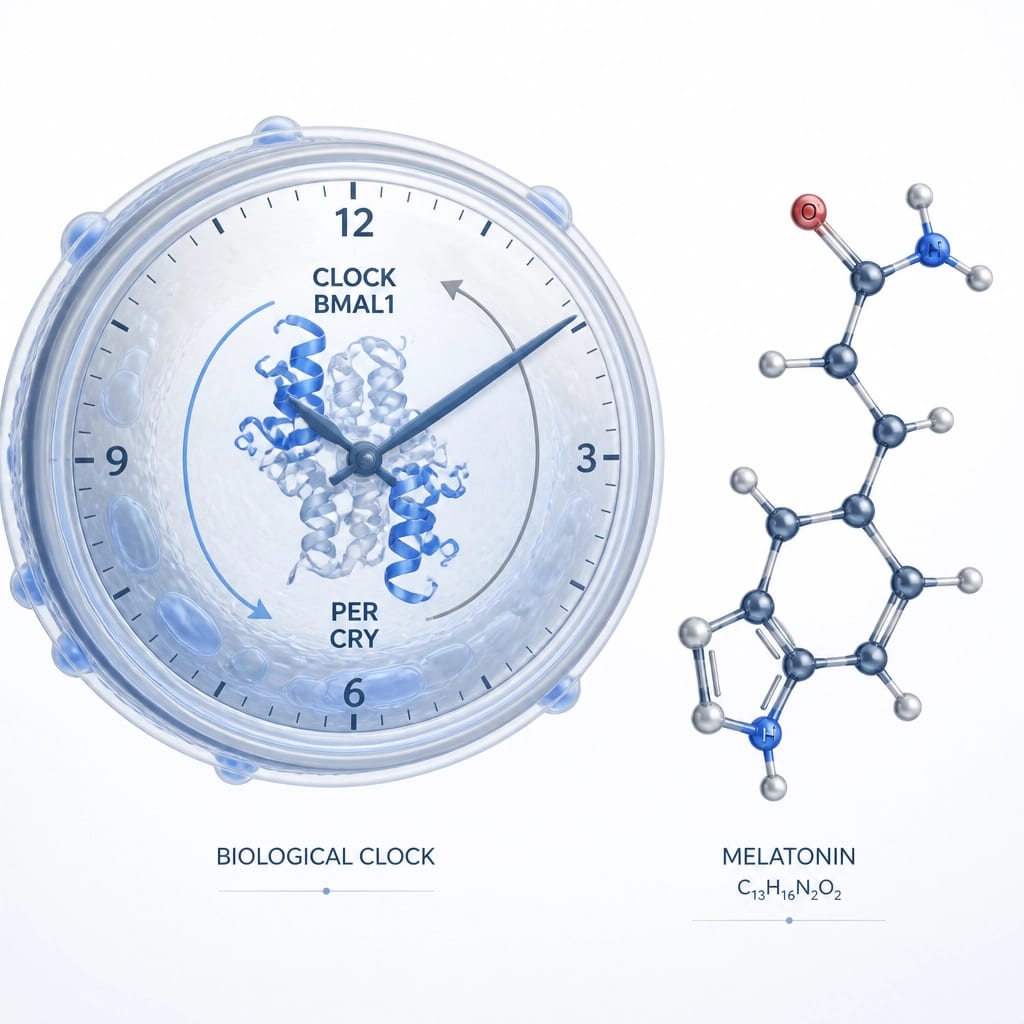
“DAC” stands for Drug Affinity Complex. Think of it as a biological “anchor.”
When CJC-1295 is synthesized with DAC, it gains the ability to bind to albumin: a protein that circulates in the blood. This binding protects the peptide from being broken down rapidly by enzymes.
- The Half-Life: We are talking about a massive shift here. While standard peptides might last minutes, CJC-1295 with DAC boasts a half-life of roughly 6 to 8 days.
- The Effect: This creates what researchers call a “Growth Hormone Bleed.” Instead of sharp spikes of GH, you get a sustained, elevated plateau of growth hormone and IGF-1 levels.
- The Goal: This is perfect for research focused on long-term metabolic support and steady-state hormonal elevation. It’s the “set it and forget it” model of the peptide world.
At WeightLossChems, we focus on providing high-purity research compounds that allow for this kind of precise, long-term metabolic control. If your research protocol calls for consistent, multi-day elevation, the DAC version is your heavy hitter.
