
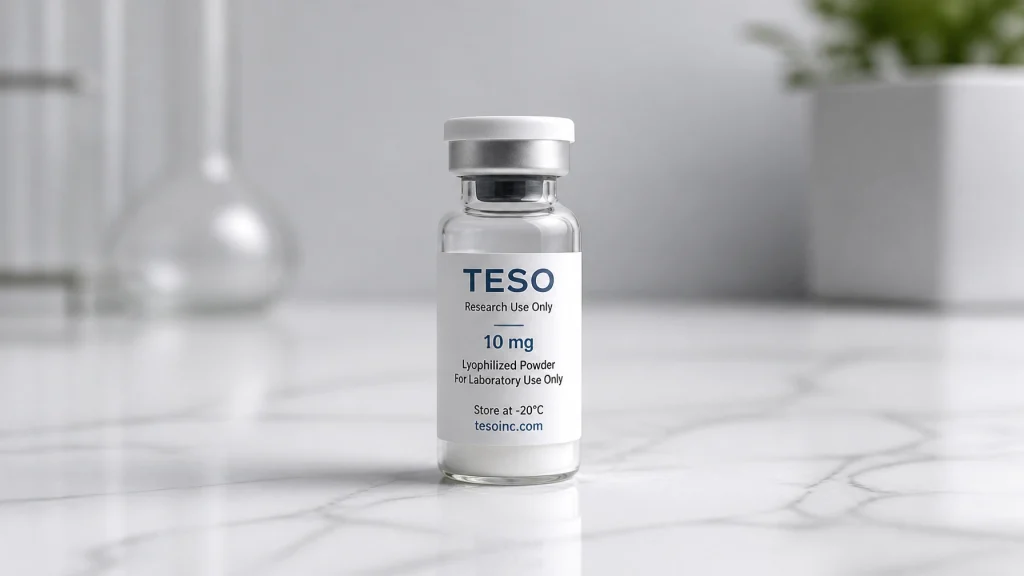
The “Triple Threat”: How Tesofensine Works
Most metabolic research focuses on hormones in the gut: think GLP-1, GIP, and Glucagon (the core of the Ret and Tirz logic). Teso, however, goes straight to the source: the brain.
Tesofensine is classified as a Triple Monoamine Reuptake Inhibitor (SNDRI). This means it prevents the reabsorption of three critical neurotransmitters:
- Serotonin: Enhances satiety and that “full” feeling.
- Norepinephrine: Boosts energy expenditure and metabolic rate.
- Dopamine: Regulates the “reward” center of the brain, potentially curbing hedonic eating (eating for pleasure rather than hunger).
By keeping these levels elevated in the synapse, Teso creates a high-tech solution for the biological “need” to overconsume. It’s like flipping a master switch in the hypothalamus that says, “We’re good, no more fuel needed.”
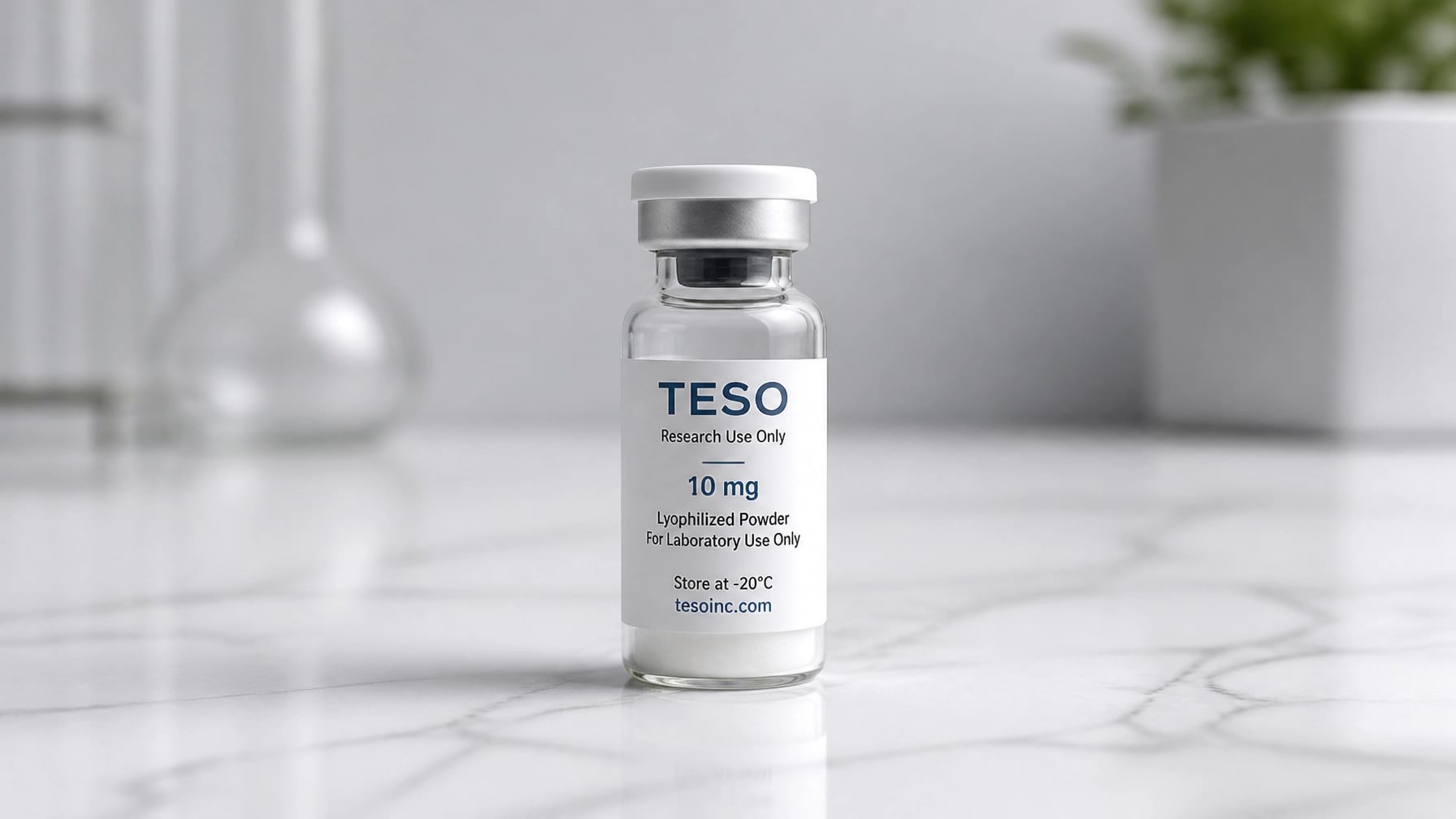
Note: Our research compounds are designed for high-clarity focus and clinical accuracy.
Transforming Results: What the Clinical Data Says
When we talk about “Scientific Luxury,” we’re talking about results backed by hard data. The TIPO-1 Phase IIb trials were a landmark for Teso. In a 24-week study, researchers observed placebo-subtracted weight loss that was, frankly, staggering for an oral compound:
- 0.5 mg dose: Approximately 9.2% weight loss.
- 1.0 mg dose: Approximately 10.6% weight loss.
To put that in perspective, that’s nearly double what older-generation weight management tools were achieving in the same timeframe. For researchers looking to revolutionize their protocols, these numbers represent a gold standard in oral efficacy.
