
The Science: Triple Reuptake Inhibition (SNDRI) Explained
At its core, Tesofensine is classified as a serotonin–norepinephrine–dopamine reuptake inhibitor. While most traditional compounds only target one or two of these pathways, Teso hits the trifecta. By blocking the reabsorption of these three critical monoamines, it effectively increases their concentration in the synaptic cleft, particularly in the brain’s “command centers” like the lateral hypothalamus.

Scientific Function & Classification:
- Classification: Triple Monoamine Reuptake Inhibitor (SNDRI)
- Primary Targets: SERT (Serotonin), NET (Norepinephrine), DAT (Dopamine)
- Physical Form: Typically provided as high-purity capsules (e.g., 500mcg) for research stability.
- Molecular Focus: Modulating the neurochemical signals that govern appetite, satiety, and the hedonic drive to eat.
How It Works in the Lab:
- Serotonin (SERT): Boosts the feeling of satiety and fullness. This is the biological “off switch” for hunger.
- Norepinephrine (NET): Stimulates the metabolic engine. It’s been shown to increase nocturnal energy expenditure and fat oxidation.
- Dopamine (DAT): Manages the reward pathway. This is the secret weapon against cravings and the emotional “need” for high-calorie foods.
Unlock the Potential: Transformative Research Benefits
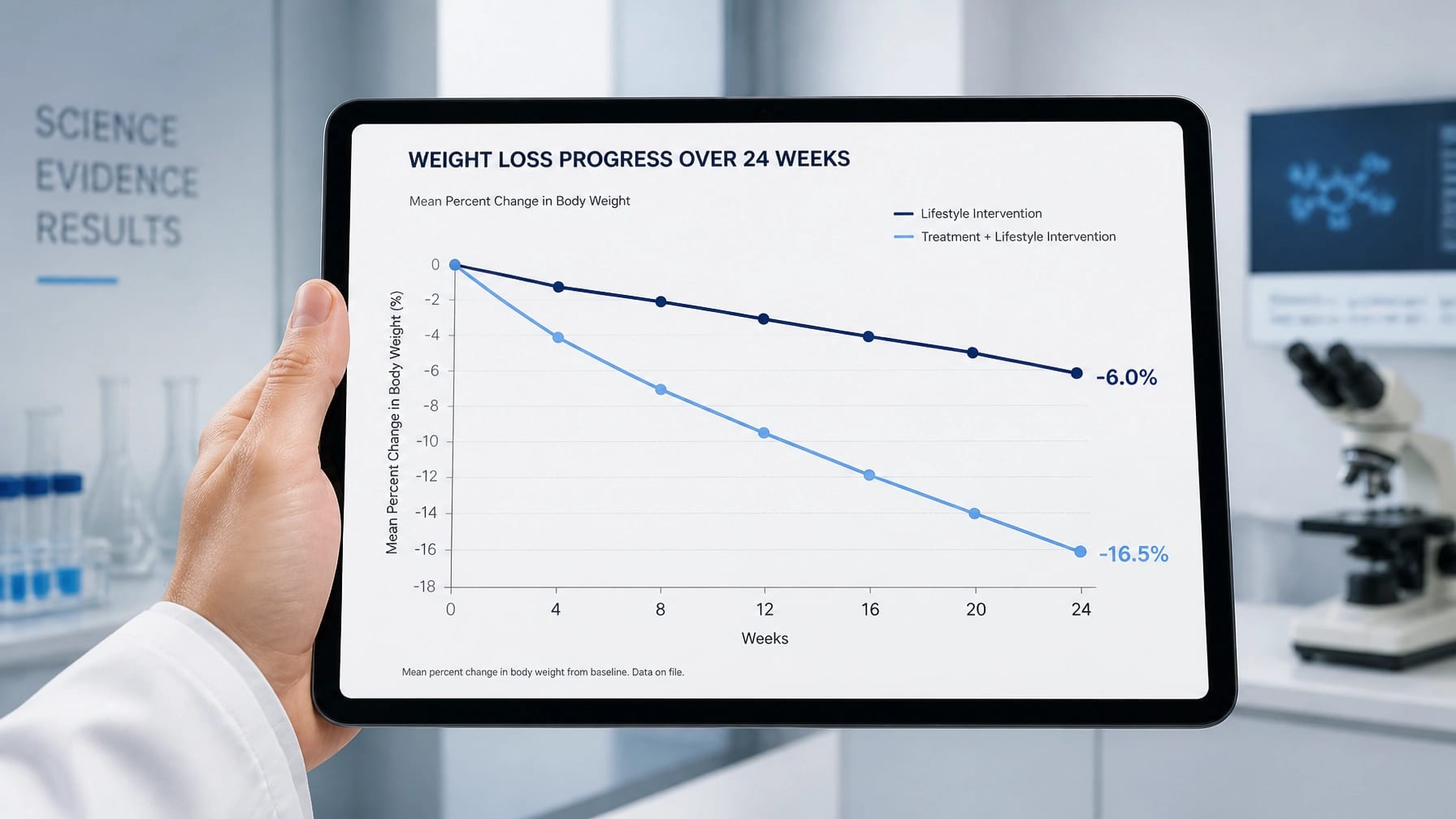
Tesofensine isn’t just about reducing a number on a scale; it’s about a complete metabolic overhaul. In various Phase II clinical trials (like the famous TIPO-1 study published in The Lancet), researchers observed some of the most impressive weight loss data ever recorded for an oral compound.
Revolutionize Appetite Suppression
The primary outcome of Tesofensine research is a massive reduction in hypophagia (food intake). By inhibiting the GABAergic neurons in the lateral hypothalamus that normally scream for food, Tesofensine helps researchers study a state of “effortless” caloric deficit.
Combat Metabolic Sluggishness
Unlike some compounds that slow down the metabolism as you lose weight, Tesofensine has shown the ability to modestly increase resting energy expenditure. It’s the “scientific luxury” of maintaining a high-performance metabolic rate even while intake is reduced.
Transform the Reward Pathway
One of the biggest hurdles in weight management is the brain’s addiction to sugar and fats. By modulating dopamine reuptake, Tesofensine helps neutralize the hedonic drive, making it a premier subject for studies on cravings and food addiction.
