
The Molecular Blueprint: What is TB-500?
At its core, TB-500 is a short, synthetic peptide fragment that mimics the active region of Thymosin Beta-4. Found in high concentrations in nearly all human and animal cells: particularly in the blood platelets and white blood cells: Tβ4 is the body’s first responder to injury.
The “magic” of TB-500 lies in its unique ability to bind with G-actin. In the world of cellular biology, actin is a structural protein essential for cell shape, movement, and division. By sequestering G-actin, TB-500 promotes cell migration: the process where repair cells travel through the body to the site of damage.
Think of it as a high-tech GPS and transport system for your cells. It doesn’t just sit there; it activates the repair sequence.
Angiogenesis: Revolutionizing Blood Flow
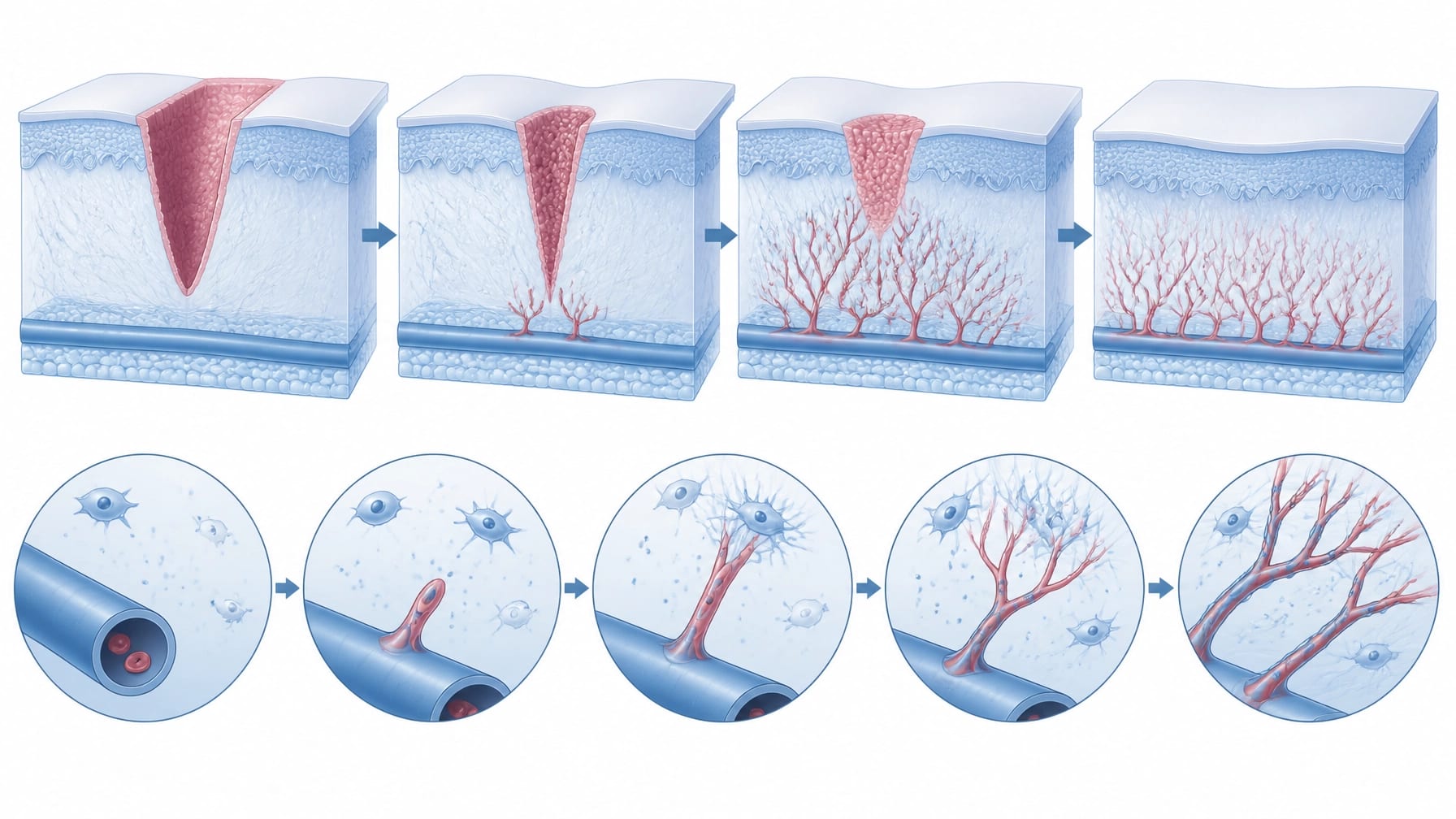
One of the most profound benefits observed in TB-500 research is its role in angiogenesis: the formation of new blood vessels from pre-existing ones.
Why does this matter for your research?
- Nutrient Delivery: New vascular pathways mean more oxygen and nutrients reach ischemic (oxygen-deprived) tissues.
- Waste Removal: Faster clearance of metabolic waste products from damaged sites.
- Accelerated Repair: Without blood flow, repair stops. TB-500 uregulates VEGF (Vascular Endothelial Growth Factor), essentially signaling the body to build new “highways” to the injury site.
In research models, this has been shown to drastically reduce the time needed for tissue to stabilize and begin the regeneration phase. It’s not just about healing; it’s about efficient healing.
