
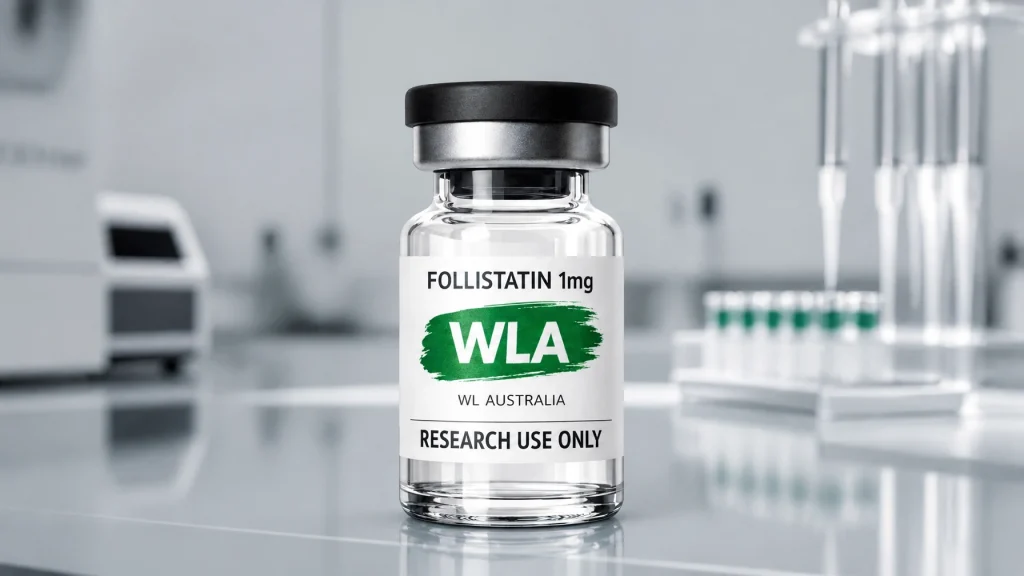
What is Follistatin? The “Brake” and the “Accelerator”
At its core, Follistatin is an autocrine glycoprotein that is expressed in nearly all tissues of higher animals. In the context of muscle research, it is primarily studied for its ability to act as a potent antagonist to Myostatin (also known as Growth Differentiation Factor 8 or GDF-8).
Think of Myostatin as the governor on an engine. It’s a TGF-β family member that limits how much muscle the body can actually build. By neutralizing this “brake,” Follistatin allows for accelerated protein synthesis and satellite cell proliferation.
The Scientific Mechanism: Triple Agonist and Beyond
While many researchers focus solely on Myostatin, the “F-Statin” protocol is actually more complex. Follistatin doesn’t just block GDF-8; it also inhibits Activin A. This is crucial because Activin and Myostatin share similar signaling pathways (specifically the Smad2/3 pathway). By hitting both, you’re essentially clearing the tracks for unrestricted hypertrophy.
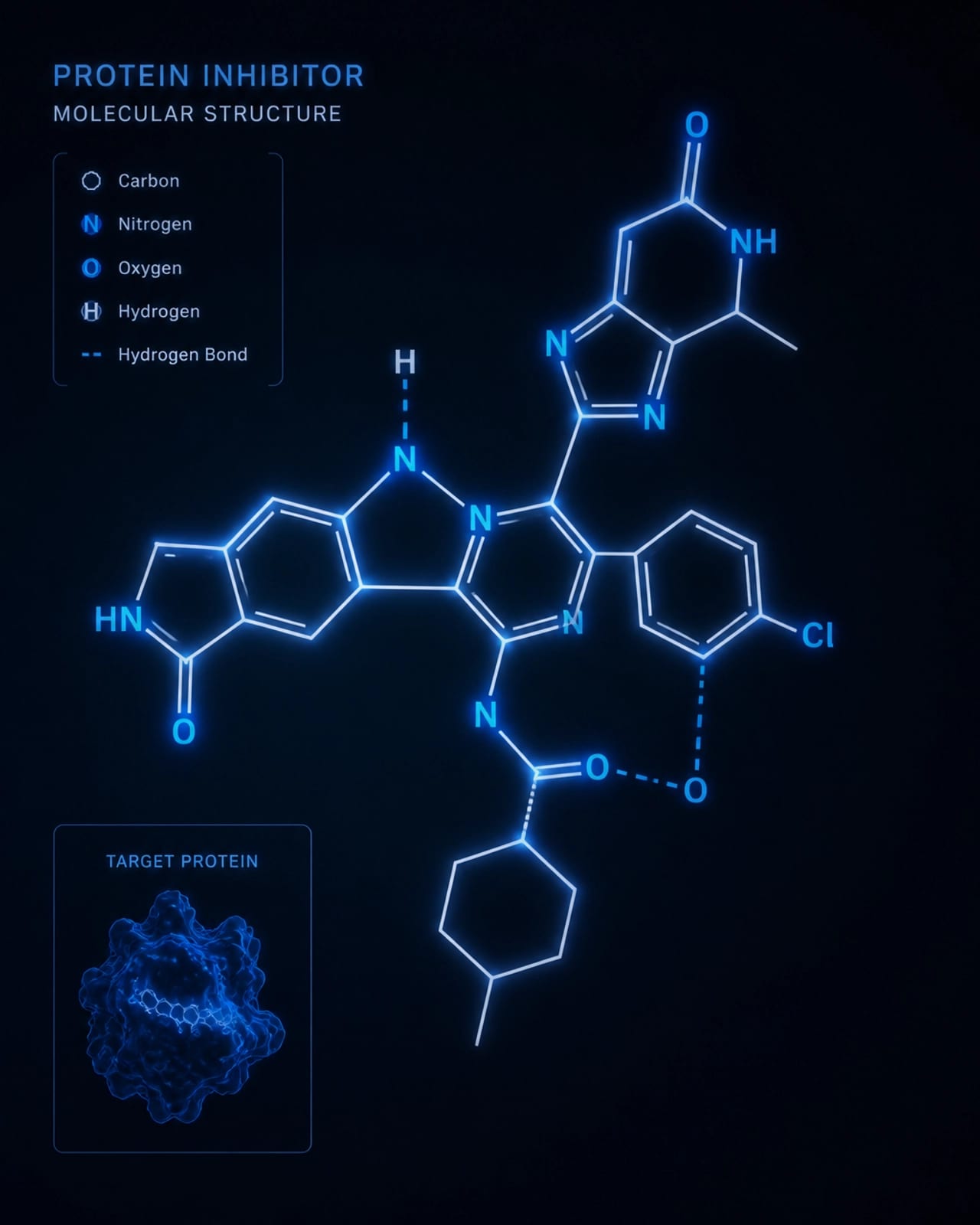
The Evolution of FS344
In our research circles, we focus heavily on the FS344 isoform. Why? Because of its superior localized action. Unlike systemic inhibitors that might affect cardiac tissue, FS344 (which is cleaved into the FS315 circulating form) has shown a remarkable affinity for skeletal muscle.
When you’re looking to Revolutionize a research subject’s metabolic profile, the specificity of the compound matters. This isn’t just about “getting big”: it’s about the clinical precision of skeletal muscle accretion without the off-target effects seen in less refined inhibitors.
