
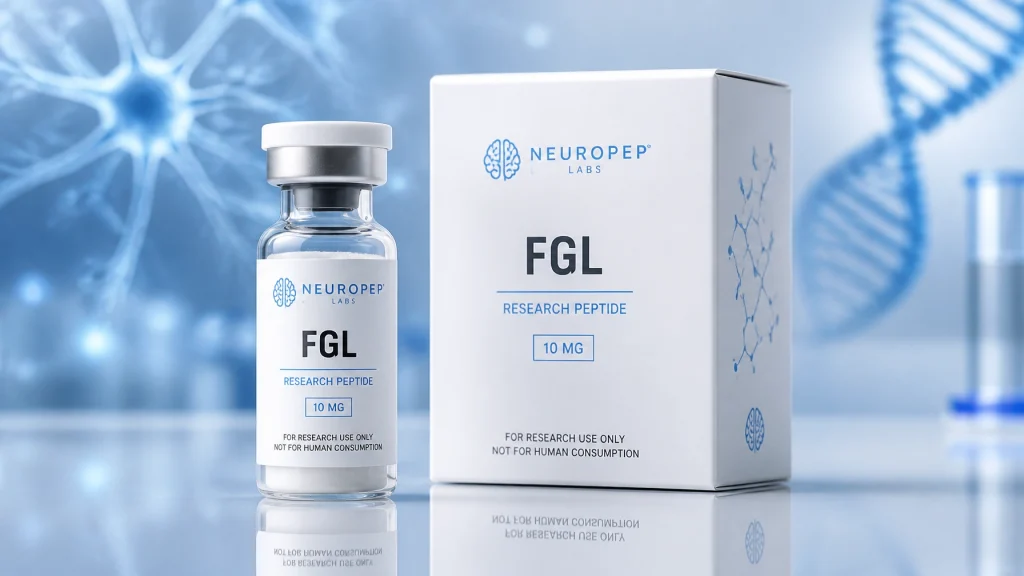
What is FGL? The NCAM Mimetic Explained
FGL (short for FG Loop) is a synthetic 15-amino acid peptide derived from the second F3 module of the Neural Cell Adhesion Molecule (NCAM). Now, that might sound like a mouthful of medical jargon, but let’s break it down into something more accessible.
Think of NCAM as the “glue” that helps neurons stick together and communicate. In the biological world, these molecules are vital for the development of the nervous system. FGL is engineered to mimic a specific part of this molecule, specifically the part that binds to and activates the Fibroblast Growth Factor Receptor-1 (FGFR1).
By acting as a potent agonist to this receptor, FGL initiates a cascade of intracellular signaling that can revolutionize our approach to neuroplasticity. At WLA, we provide FGL as a high-purity research compound, designed for those who demand precision in their metabolic and cognitive pathways.
The Mechanism: FGFR1 and the “Spark” of Synaptic Plasticity
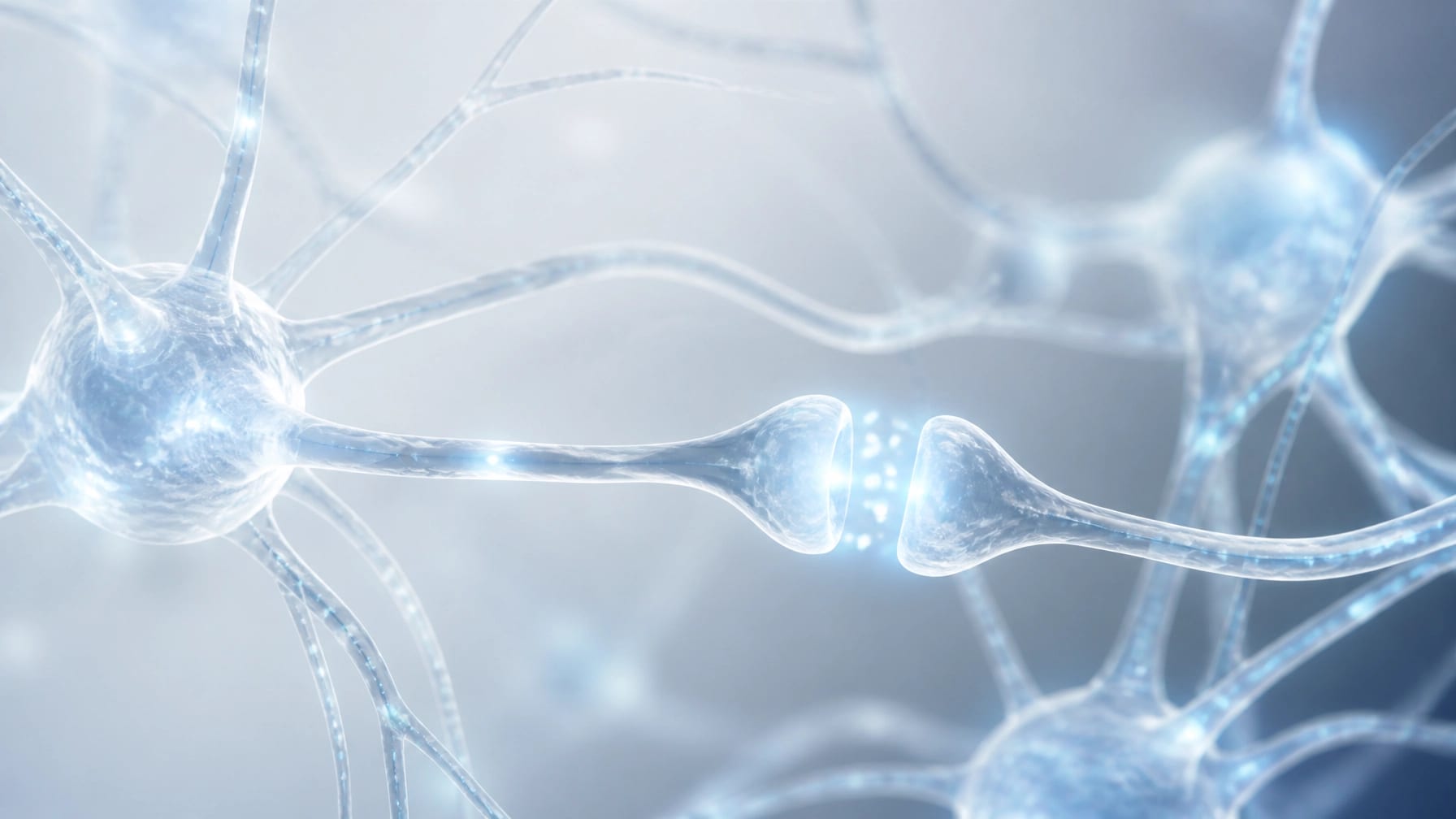
When FGL binds to FGFR1, it doesn’t just sit there. It triggers a massive activation of the MAPK/ERK signaling pathway. This is where the magic happens in cognitive research. This pathway is a primary driver of Long-Term Potentiation (LTP): the process by which synaptic connections become stronger over time through repeated activity.
Unlock the Power of AMPA Trafficking
One of the most exciting aspects of FGL research is its effect on AMPA receptor trafficking. AMPA receptors are the gatekeepers of fast synaptic transmission in the brain. FGL has been shown to facilitate the delivery of these receptors to the synapses.
More receptors mean more efficient communication between neurons. In the context of research, this translates to:
- Enhanced Synaptic Strength: Making the “wiring” of the brain more robust.
- Increased Neuroplasticity: The ability of the brain to reorganize itself and form new connections.
- Accelerated Learning: Faster acquisition of new information in research models.
If you’ve already explored our other neuro-focused compounds like Cerebrolysin or P21, you’ll find that FGL offers a unique, complementary mechanism that targets the structural “glue” of the brain.
