

1. The Fatal “MG vs. MCG” Mix-up
This is the king of all errors. In the clinical world, units matter. Most research vials, like our premium Tirzepatide or Retatrutide, are measured in milligrams (mg). However, your research protocols often call for doses in micrograms (mcg).
The math is simple, but under pressure, it’s easy to slip up: 1mg = 1,000mcg.
If your peptide calculator dosing is set to “mg” when you meant “mcg,” you could accidentally be administering a dose 1,000 times stronger than intended. That isn’t “scientific luxury”; that’s a lab disaster. Always double-check your decimals. If you have a 5mg vial, you have 5,000mcg to work with. Period.
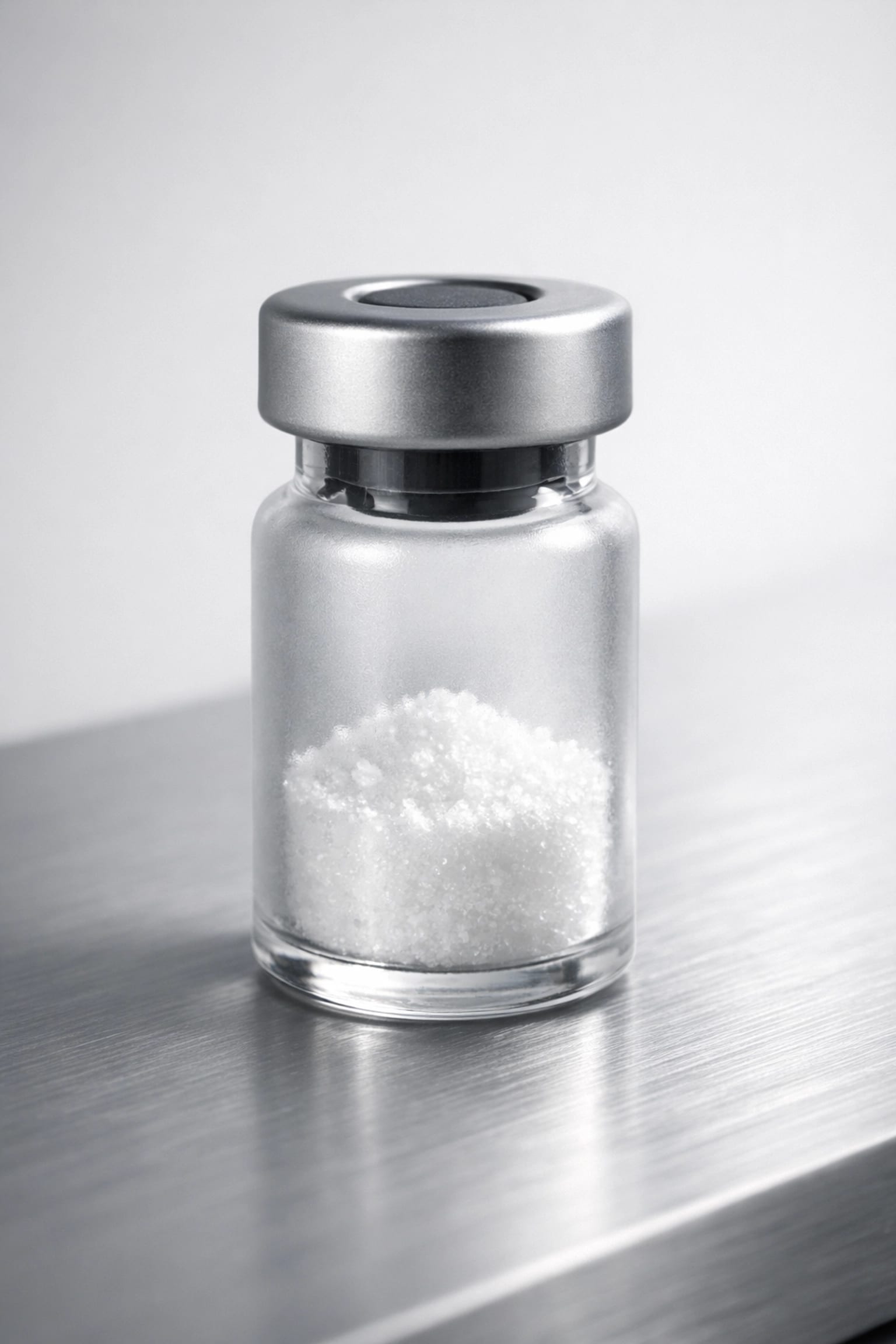
2. Using Too Much (or Too Little) Bacteriostatic Water
Reconstitution is an art form. One of the biggest mistakes we see is researchers overcomplicating the volume of Bacteriostatic (BAC) water.
Some think more water means a more “diluted” and therefore “safer” dose. Others try to use as little water as possible to keep the injection volume small. Here’s the fix: The amount of water doesn’t change the total amount of peptide in the vial. It only changes the concentration.
If you put 1ml of BAC water into a 5mg vial, your reconstitution calculator peptide will tell you that a 250mcg dose is 5 units on a standard syringe. If you put 2ml in, that same dose becomes 10 units. The mistake is choosing a volume that makes the math impossible to read on a tiny syringe scale. Aim for a volume that lands your dose between 10 and 25 units for maximum accuracy.
