

What is RAD-150 (TLB-150 Benzoate)?
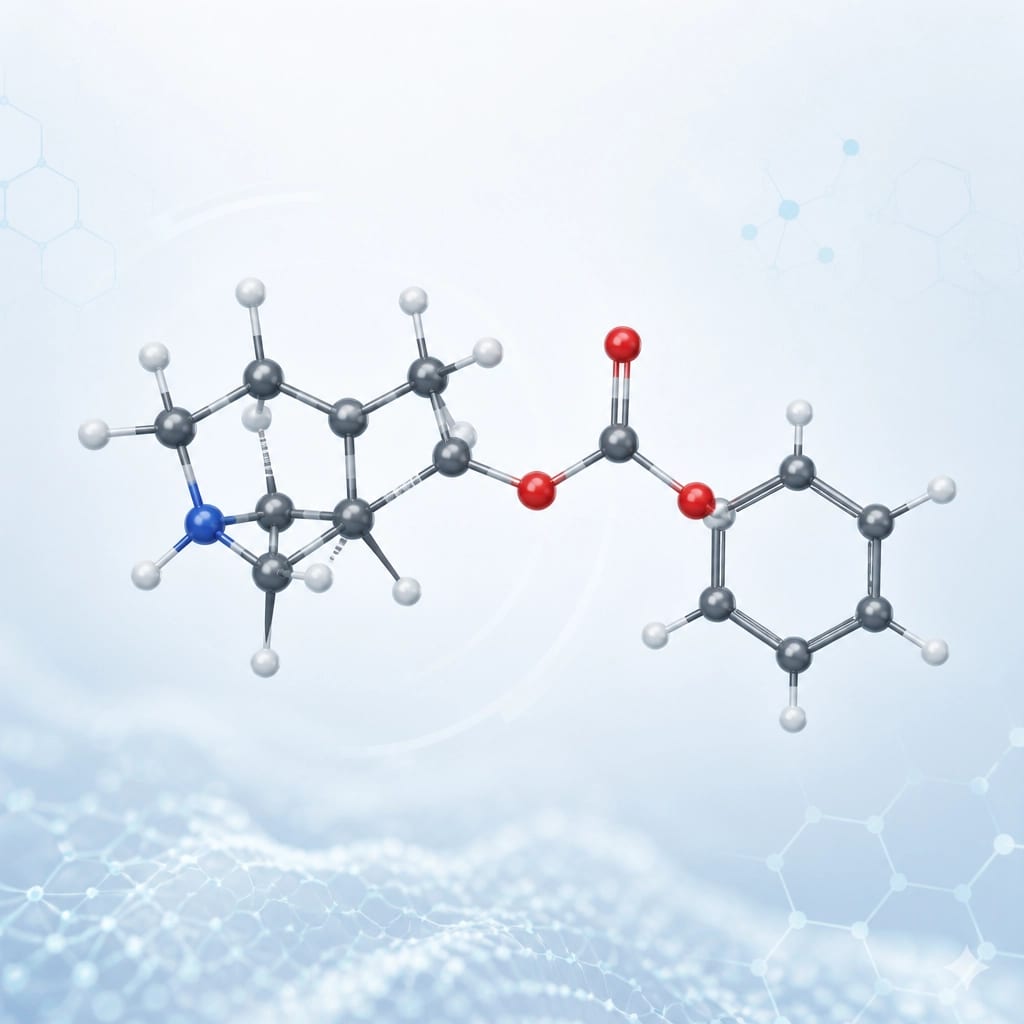
In technical terms, RAD-150 is an esterified version of RAD-140. During the synthesis process, a benzoate ester group is attached to the RAD-140 molecule. This isn’t just a fancy chemical tweak; it’s a strategic modification designed to Revolutionize how the compound interacts with the research subject’s physiology.
Esterification is a standard practice in medical science: think of how different testosterone esters (like propionate vs. cypionate) change the drug’s release profile. By adding the benzoate ester, researchers created a version of Testolone that is significantly more stable and has a much longer half-life.
The Science of “Scientific Luxury”
When we talk about “scientific luxury,” we’re referring to the precision and stability that high-end compounds like RAD-150 offer. While the original RAD-140 is a powerful tool, it often presents a “sharper” onset and more volatile blood concentration levels. RAD-150, however, provides a Transformative research experience with a much smoother curve.
Evolution from RAD-140: What Changed?
The move from 140 to 150 wasn’t accidental. It was driven by a biological need for more consistent receptor saturation. Here’s why the evolution matters for your next study:
- Extended Half-Life: While RAD-140 typically requires daily administration to maintain stable levels, RAD-150 has a reported half-life of approximately 48 hours. This allows for less frequent dosing schedules while maintaining peak concentration.
- Higher Binding Affinity: Early data suggests that the esterification process may enhance the molecule’s ability to bind to androgen receptors, potentially leading to more pronounced anabolic outcomes in lean muscle tissue research.
- Metabolic Pathway Optimization: By stabilizing the blood concentration, RAD-150 minimizes the “peaks and valleys” that can lead to off-target effects or hormonal fluctuations during a study.
