What is 9-Me-BC?
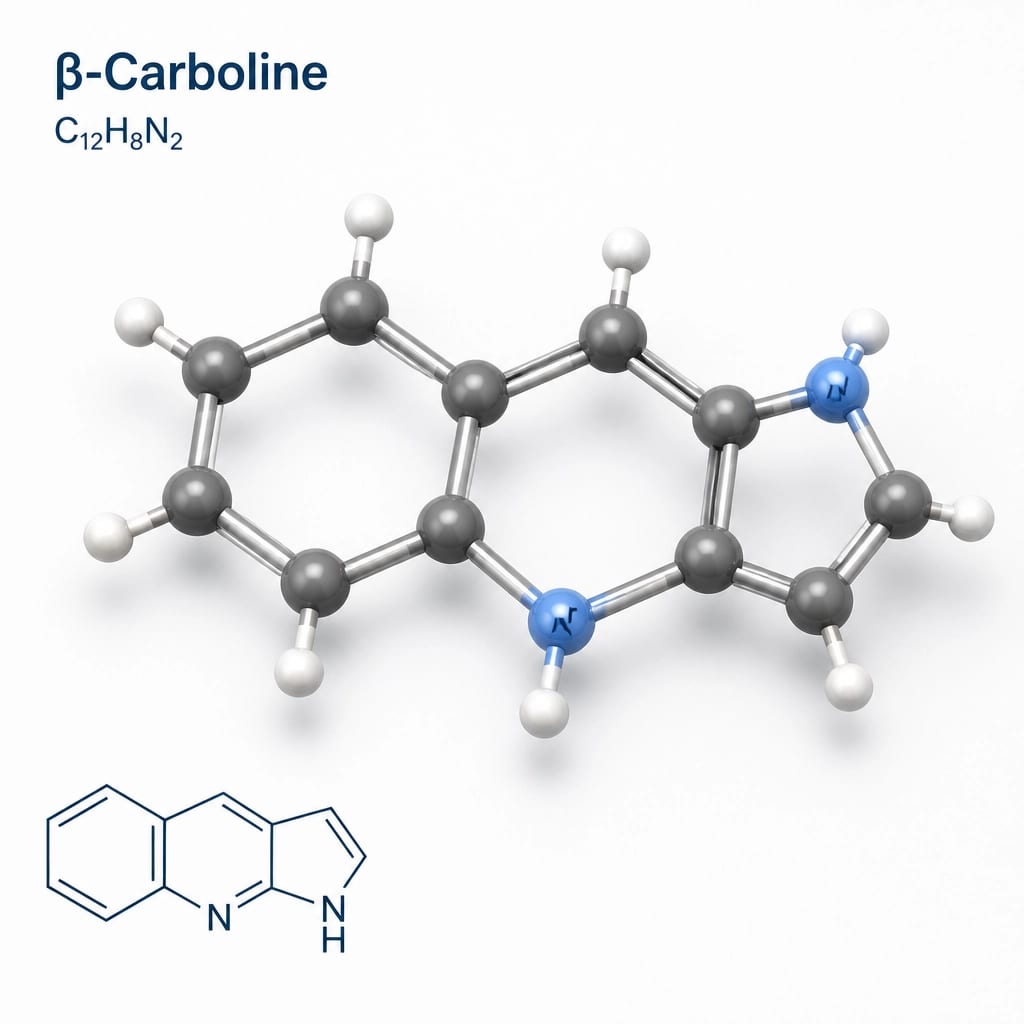
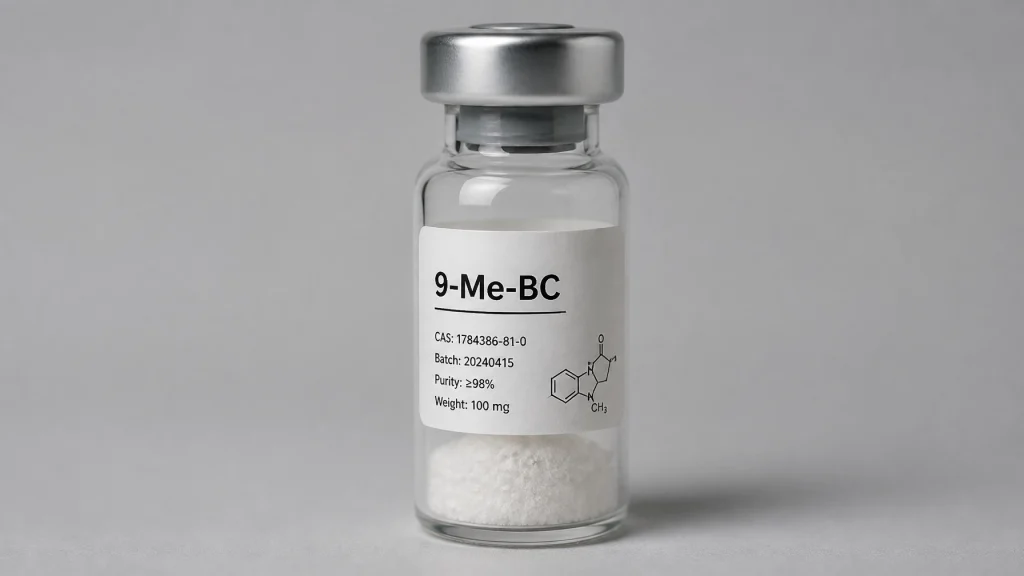
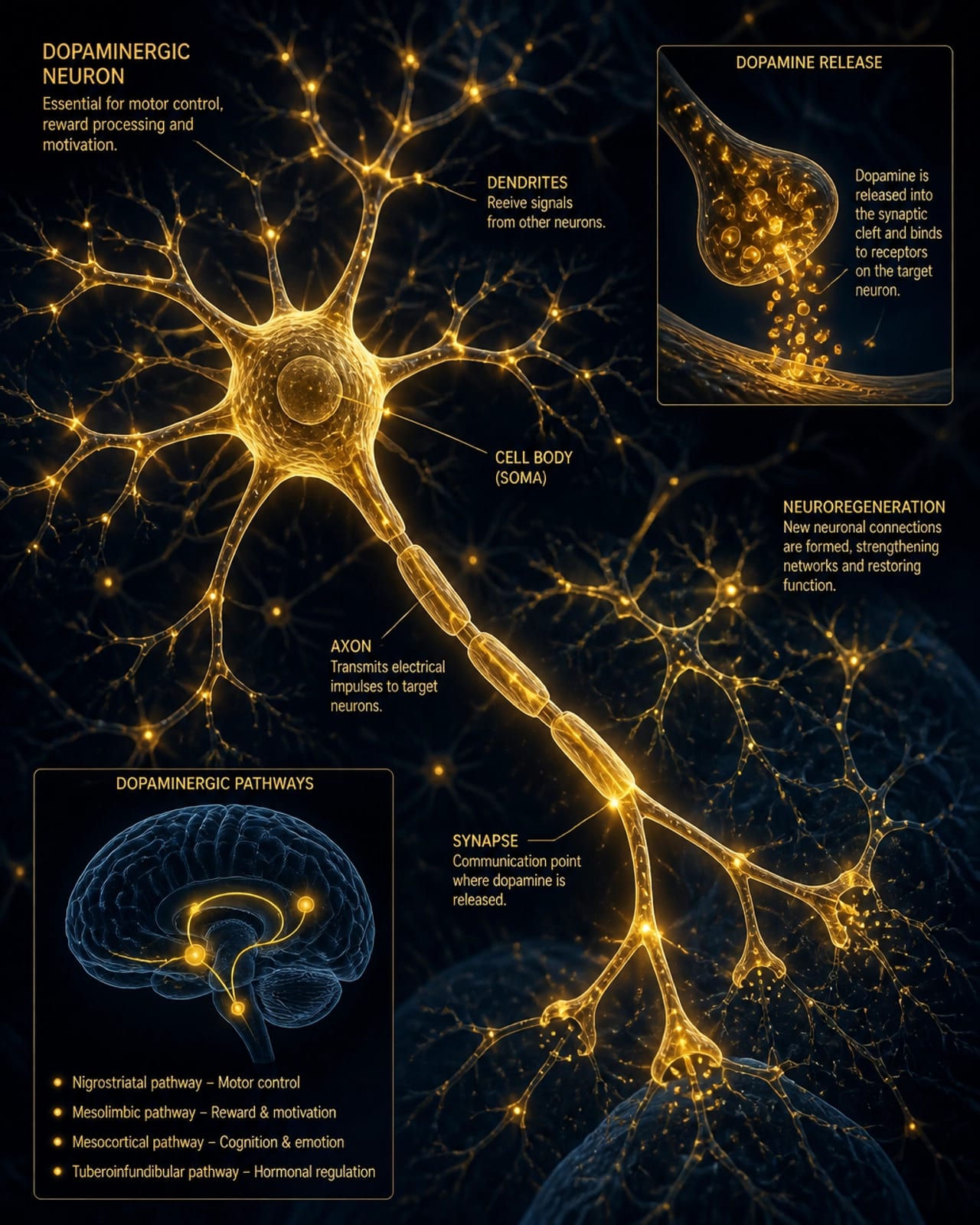
9-Methyl-β-carboline is a member of the beta-carboline family, but don’t let the classification fool you. Unlike some of its neurotoxic cousins, 9-Me-BC has demonstrated a remarkable profile of Neuroprotection and Neuroregeneration in preclinical models. It is specifically investigated for its ability to stimulate the growth of dopaminergic neurons: the very cells responsible for motivation, focus, and motor control.
At WLA, we view 9-Me-BC as a high-tech tool for those looking to explore the boundaries of mitochondrial efficiency and neural connectivity. It’s about more than just a quick boost; it’s about the structural integrity of the brain’s most vital signaling systems.
The Dopaminergic Revolution: Mechanism of Action
The scientific allure of 9-Me-BC lies in its multi-faceted approach to brain health. While many substances simply force a release of neurotransmitters (often leading to a “crash” or downregulation), 9-Me-BC appears to work by enhancing the machinery itself.
1. Tyrosine Hydroxylase (TH) Stimulation
In various in vitro studies, 9-Me-BC has been shown to increase the expression of Tyrosine Hydroxylase, the rate-limiting enzyme in dopamine synthesis. By boosting TH, researchers aim to increase the brain’s natural capacity to produce dopamine, potentially restoring function in systems that have been compromised by environmental toxins or age-related decline.
2. Mitochondrial Complex I Support
Metabolic health isn’t just about weight management (though our Ret and Tirz research protocols are world-class for that). It’s also about cellular energy. 9-Me-BC has been found to improve the effectiveness of the mitochondrial respiratory chain, specifically Complex I. This means more ATP: the “energy currency” of the cell: is available for neurons to maintain their complex structures and signal efficiently.
3. Neurotrophic Factor Expression
9-Me-BC doesn’t just keep cells alive; it encourages them to grow. Research indicates that it upregulates several neurotrophic factors, including BDNF (Brain-Derived Neurotrophic Factor). This promotes neurite outgrowth, creating more complex and dense neural networks. It’s like upgrading your brain’s internal wiring from copper to high-speed fiber optics.