
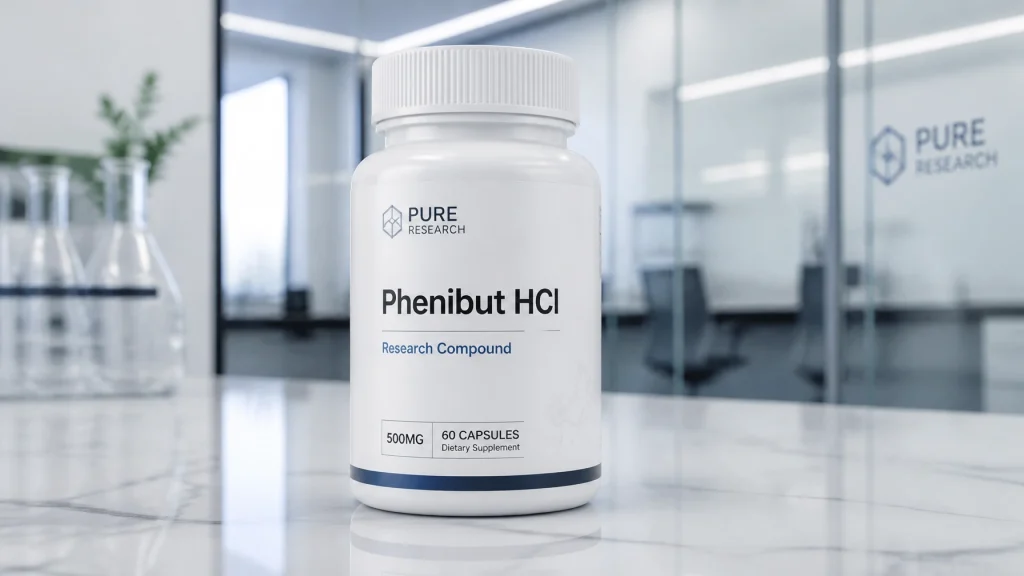
The Molecular Blueprint: Understanding GABA-B Agonism
At its core, Phenibut (β-phenyl-γ-aminobutyric acid) is a modified version of the brain’s primary inhibitory neurotransmitter, GABA. However, the addition of a phenyl ring is the “secret sauce” that allows this compound to cross the blood-brain barrier with remarkable efficiency. While raw GABA struggles to reach the central nervous system (CNS) when ingested, Phenibut HCl glides through, acting as a potent GABA-B agonist.
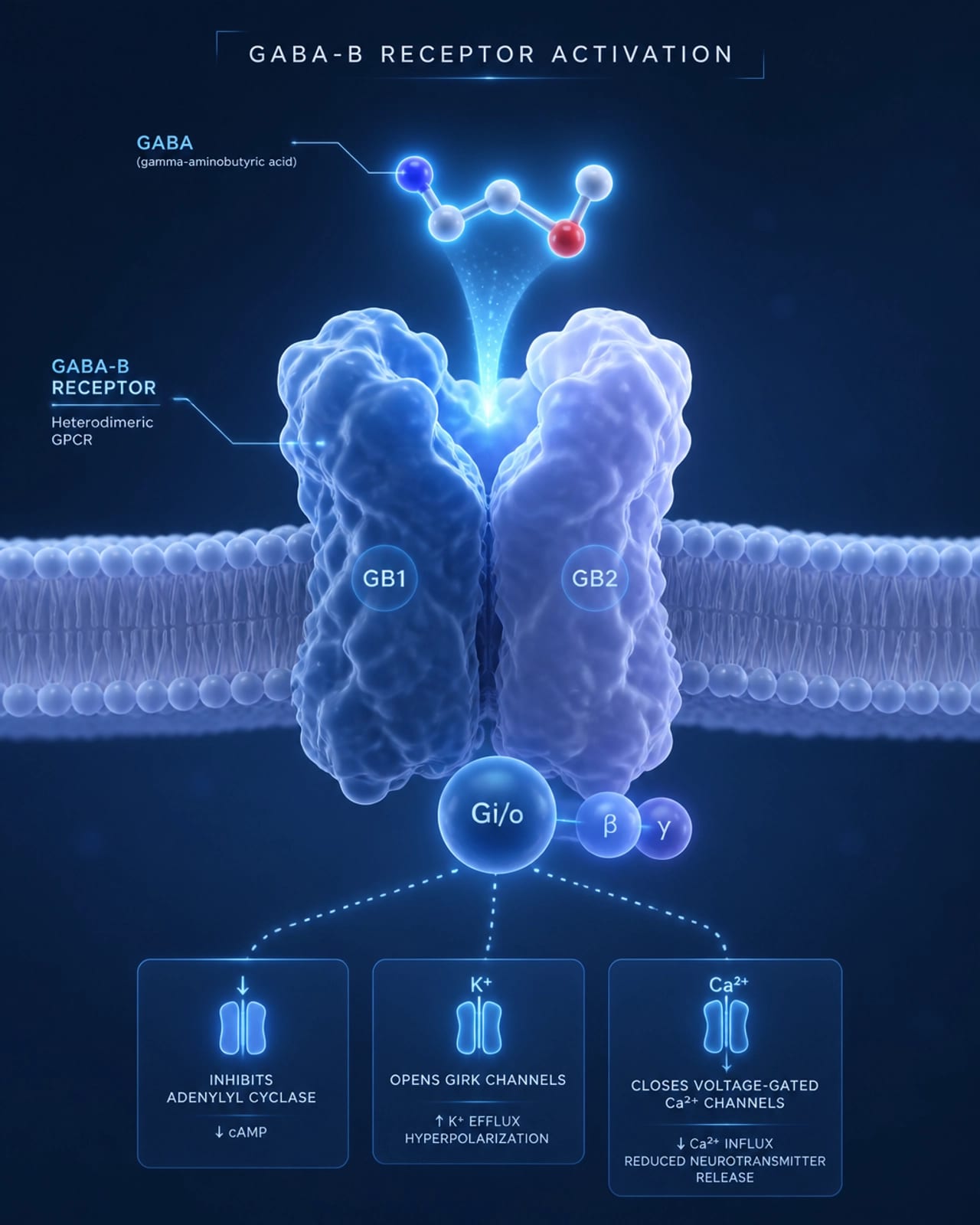
In the world of high-tech research, we categorize Phenibut as a gabapentinoid. This means it doesn’t just sit on the GABA-B receptors; it also interacts with the α2δ subunits of voltage-gated calcium channels. By modulating these channels, Phenibut helps to inhibit the over-firing of excitatory neurons.
Why does this matter for your research?
- Reduced Neuronal Noise: By dampening excessive excitatory signals, researchers can observe a state of “calm clarity.”
- Dopaminergic Synergy: Interestingly, Phenibut has been shown to increase dopamine levels in the striatum, providing a subtle “motivational” edge that most standard sedatives lack.
- Metabolic Pathways: While primarily neuro-focused, the stabilization of the CNS often leads to secondary improvements in metabolic function: a key area of interest here at WLA.
Transforming Social Resilience and Cognitive Clarity
One of the most profound areas of study for Phenibut HCl is its impact on social anxiety and performance. In clinical settings (particularly in Eastern Europe, where it has been utilized for decades), Phenibut is often referred to as an “anxiolytic with nootropic properties.”
Unlike traditional benzodiazepines, which can leave a subject feeling foggy or lethargic, Phenibut is researched for its ability to Revolutionize social interaction without compromising cognitive sharpness. It’s often used in research protocols to study:
- Social Inhibition Dissolution: How the brain operates when the “threat detection” of the amygdala is down-regulated.
- Verbal Fluency: Researchers often note an increase in the ease of communication in subjects, likely due to the combined effect of GABA-B agonism and dopamine release.
- Stress Management: The compound’s ability to act as a buffer against high-pressure environments, making it a favorite for studying “high-performance” cognitive states.
At WLA, we believe that true longevity and wellness come from a balanced mind. Compounds like Phenibut HCl, when combined with our other research tools like Nooglutyl or Cerebrolysin, offer a comprehensive approach to cognitive health.
