
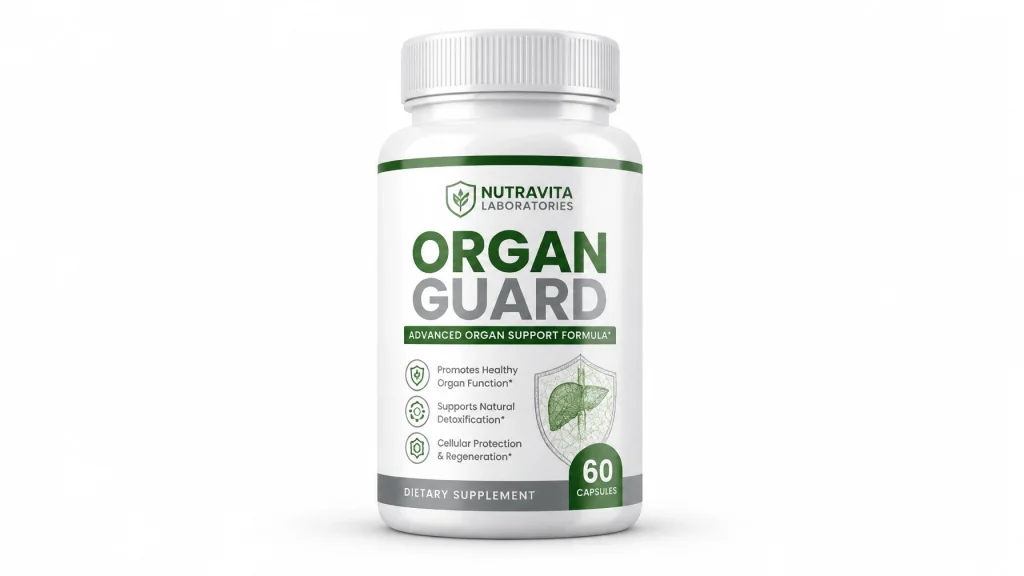
Think of your liver as the ultimate high-performance oil filter in a racing car. Day in and day out, it processes everything you consume, neutralizing toxins and keeping your internal “engine” running smoothly. However, when you introduce performance-enhancing compounds like SARMs (Selective Androgen Receptor Modulators) or certain peptides, you aren’t just driving on the highway anymore: you’re redlining the engine on a professional track.
You will learn how these compounds affect your biology, why “biological friction” occurs, and how a structured protection protocol using Organ Guard can ensure your liver stays as resilient as the day you started your journey.
The Problem: When the Filter Clogs (SARM-Induced Stress)
While SARMs are often touted for their ability to target muscle and bone tissue specifically, they still undergo a process called first-pass metabolism. This means they hit your liver before entering the rest of your system.
Imagine a massive construction site where the delivery trucks (SARMs) are constantly arriving. If the site managers (your liver cells) can’t process the deliveries fast enough, the site becomes cluttered, stressed, and eventually, the machinery breaks down.
