
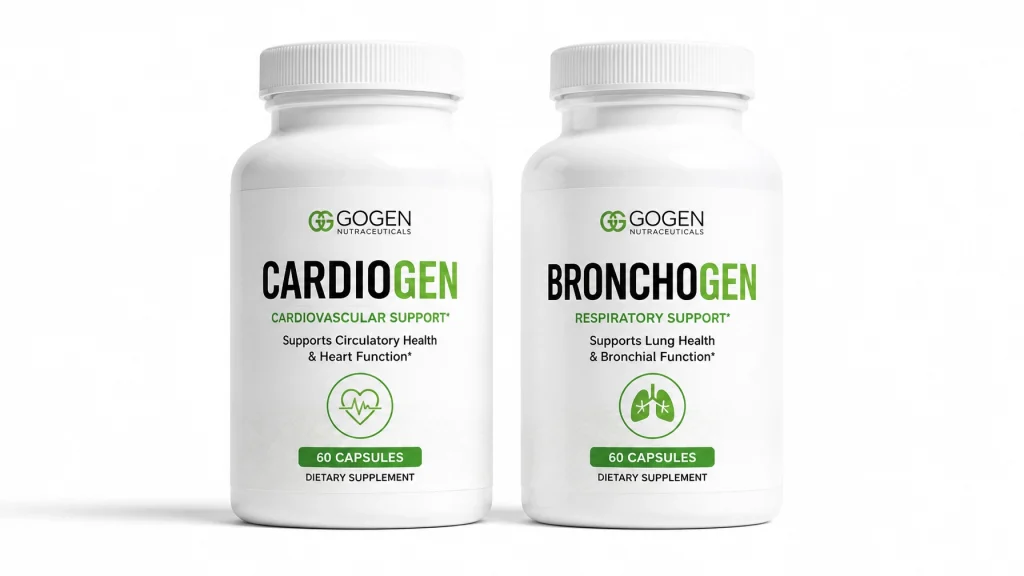
The Problem: The Slow Decay of the Cardio-Respiratory Link
As we age or face the harsh environmental factors of the Australian climate: from city pollution to the dry, dusty air of the outback: our internal tissues undergo a process called “remodeling.” This isn’t the good kind of remodeling you do to a kitchen. This is the accumulation of microscopic scar tissue (fibrosis) and the slowing of cellular repair.
Consider this:
- The Heart: Over time, heart muscle cells (cardiomyocytes) can become less efficient at repairing themselves. The “engine” begins to develop tiny leaks, and the muscle walls may stiffen.
- The Lungs: The delicate lining of your bronchial tubes (the epithelium) acts as an air filter. Constant exposure to irritants can cause this filter to become “clogged” or damaged, reducing how much oxygen actually makes it into your bloodstream.
The result is a frustrating decline in endurance, slower recovery after a workout, and a general sense that your “engine” isn’t firing on all cylinders.
The Solution: Precision Bioregulators
Traditional supplements often take a “shotgun” approach, flooding the whole body with general nutrients. Bioregulators are different. They act like highly specific “instruction manuals” for your DNA.
Peptide bioregulators are short chains of amino acids that signal specific organs to enter a state of repair and homeostasis (biological balance). They don’t force a change; they remind the organ how to function at its peak.
1. Cardiogen: Optimizing the Engine
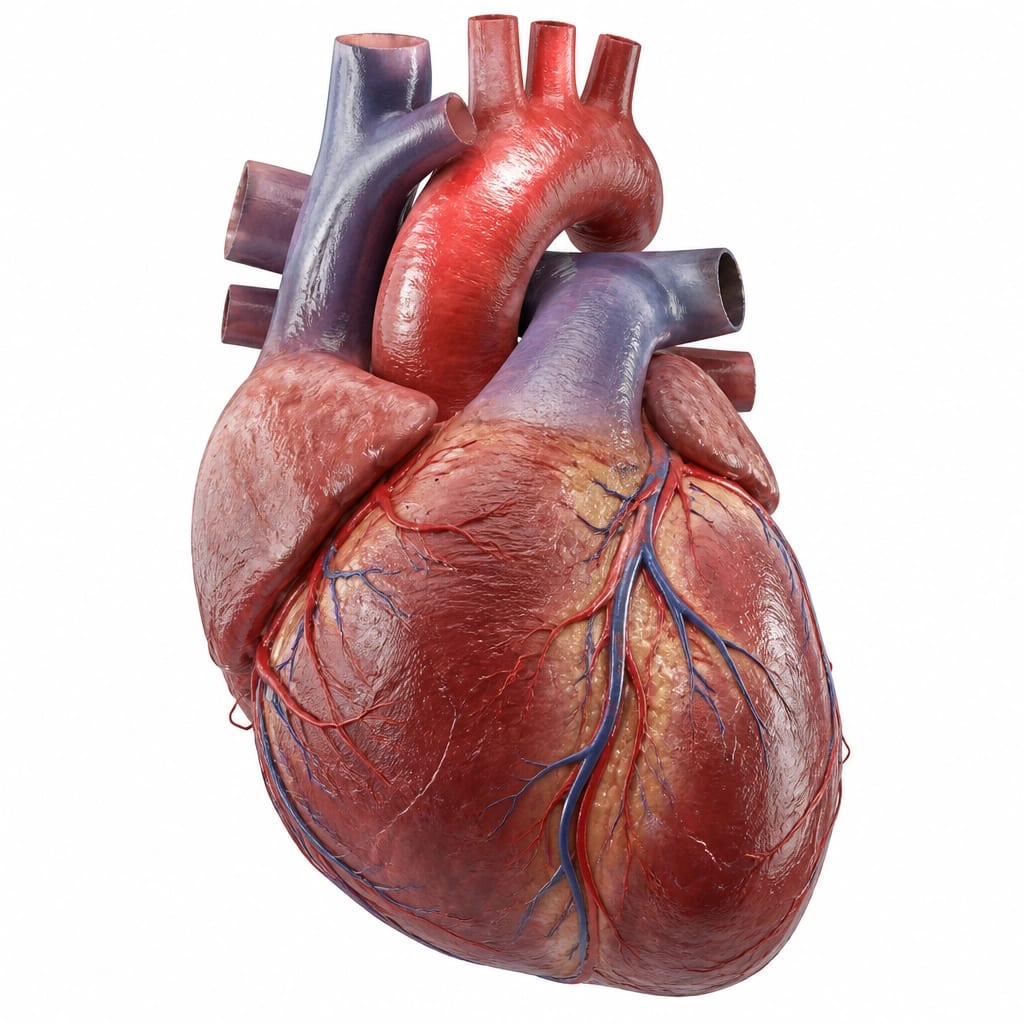
Cardiogen is a synthetic tetrapeptide (a four-amino acid chain) specifically engineered for the cardiovascular system. Think of it as a specialized technician sent in to tune up your heart’s internal components.
Focus on the Mechanism:
Cardiogen works by entering the heart cells and influencing gene expression. It helps downregulate p53, a protein that triggers cell death (apoptosis). By doing this, it encourages your heart muscle to preserve its viable cells rather than letting them wither away under stress.
Key Benefits of Cardiogen:
- Tissue Repair: Supports the proliferation of cardiomyocytes (heart muscle cells).
- Anti-Fibrosis: Helps limit the formation of non-functional scar tissue, keeping the heart “pliant” and strong.
- Vascular Health: Enhances endothelial function, which is the health of the lining of your blood vessels. This is crucial for maintaining healthy blood pressure and efficient flow.
You can find Cardiogen for $105 at wlaustralia.com.au.
2. Bronchogen: Clearing the Air Intake
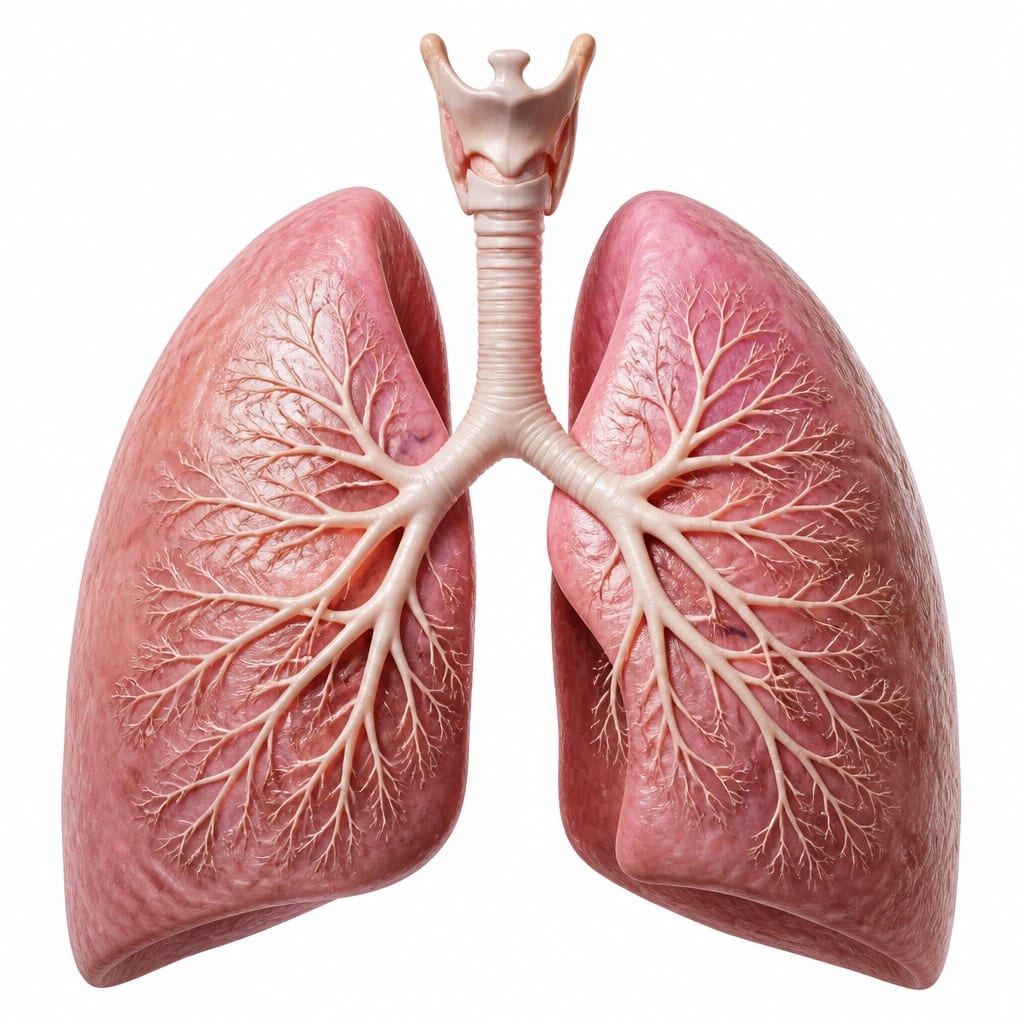
While Cardiogen handles the pump, Bronchogen focuses on the ventilation. It is a bioregulator specifically targeted at the bronchial tissues and lungs.
Focus on the Mechanism:
Bronchogen works by “re-programming” the bronchial epithelium: the protective layer of cells in your airways. It encourages the production of surfactant, a substance that keeps the tiny air sacs in your lungs from collapsing and helps them transfer oxygen more effectively.
Key Benefits of Bronchogen:
- Epithelial Integrity: Strengthens the “air filter” of your lungs, helping to protect against irritants and pollutants.
- Reduced Inflammation: Helps modulate the inflammatory response in the airways, making it a favorite for those looking to support respiratory comfort.
- Restorative Support: In research models, Bronchogen has shown the ability to help normalize tissue architecture in the lungs after long-term stress.
Bronchogen is also available for $105 at wlaustralia.com.au.
