
The Foundation: BPC-157 and TB-500 (The Architects & Builders)
To fix a crumbling building, you need two things: a solid plan and the workers to execute it. In the world of peptide science, BPC-157 (Body Protection Compound 157) and TB-500 (Thymosin Beta-4) are the architects and the heavy lifters.
BPC-157 is the Site Architect. Its primary job is angiogenesis: a scientific term for the growth of new blood vessels. Consider this like building new access roads into a remote construction site. Without roads, the trucks (nutrients and oxygen) can’t get to the injury. By opening these pathways, BPC-157 ensures that the site of a tendon or ligament injury is flooded with the resources it needs to heal.
TB-500 is the Foreman of the Builder Crew. While BPC-157 sets the stage, TB-500 promotes cell migration. It signals to repair cells throughout the body to drop what they’re doing and rush to the “accident site.” This is why TB-500 is often called “systemic”: its effects aren’t just local; they travel through the body like a rapid-response team.
Focus on these key benefits:
- Accelerated Soft Tissue Repair: Faster healing of muscles, tendons, and ligaments.
- Enhanced Blood Flow: New “supply lines” to areas that traditionally heal slowly (like the Achilles tendon).
- Wound Resolution: Helping the body close internal and external “gaps” efficiently.
Controlling the Blaze: KPV (The Fire Extinguisher)
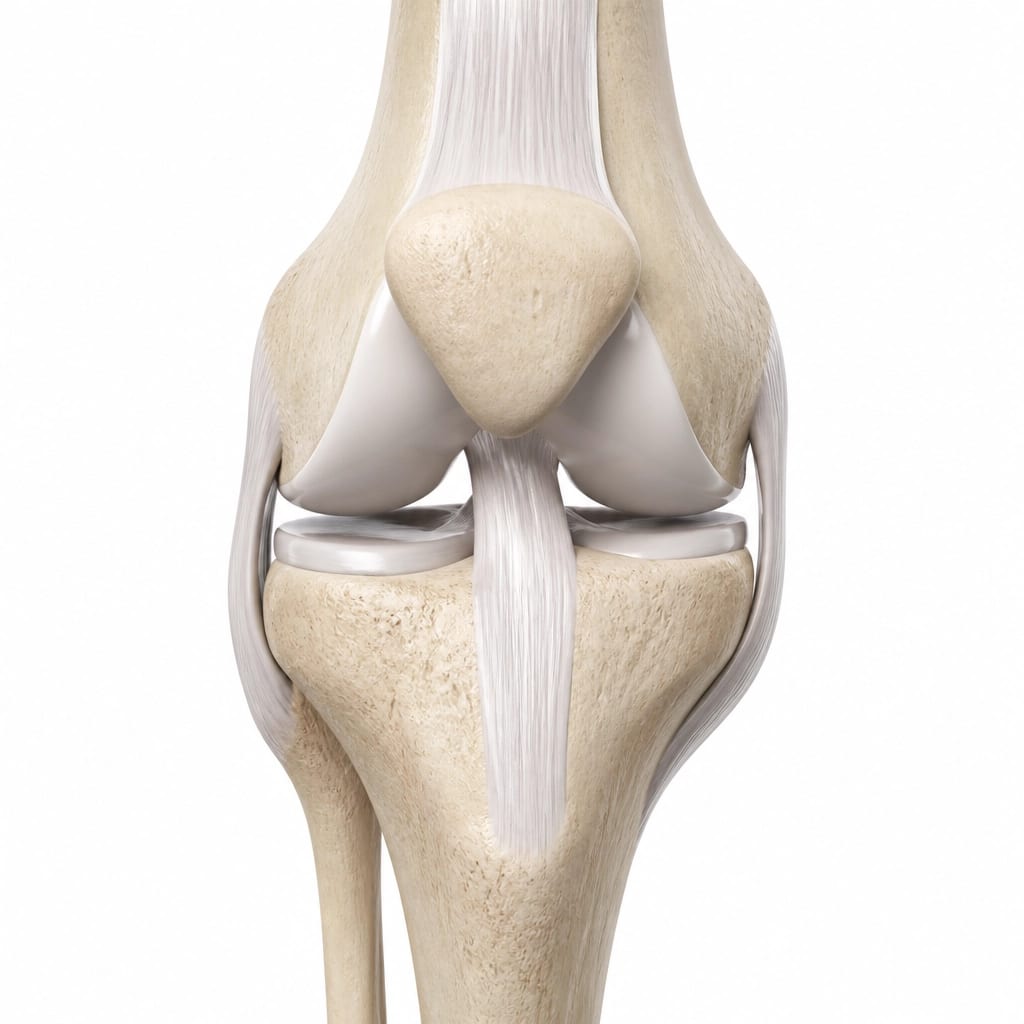
Repair cannot happen in a burning building. Inflammation is the body’s natural fire, meant to clear out old debris after an injury. However, in chronic cases, that fire never goes out; it just keeps smouldering, damaging healthy tissue and causing pain.
KPV (Lysine-Proline-Valine) is the Master Fire Extinguisher. It is a tripeptide that acts as a potent anti-inflammatory agent without the harsh side effects often associated with traditional medications.
Consider this: When KPV enters the system, it works to lower the “heat” of the inflammatory response. By reducing the production of pro-inflammatory cytokines (the chemicals that keep the fire burning), KPV allows the repair crews (BPC-157 and TB-500) to work in a cool, stable environment. Without KPV, the builders might be trying to lay bricks while the floor is still on fire.
