The Problem: Biological Stagnation and Immune Fatigue
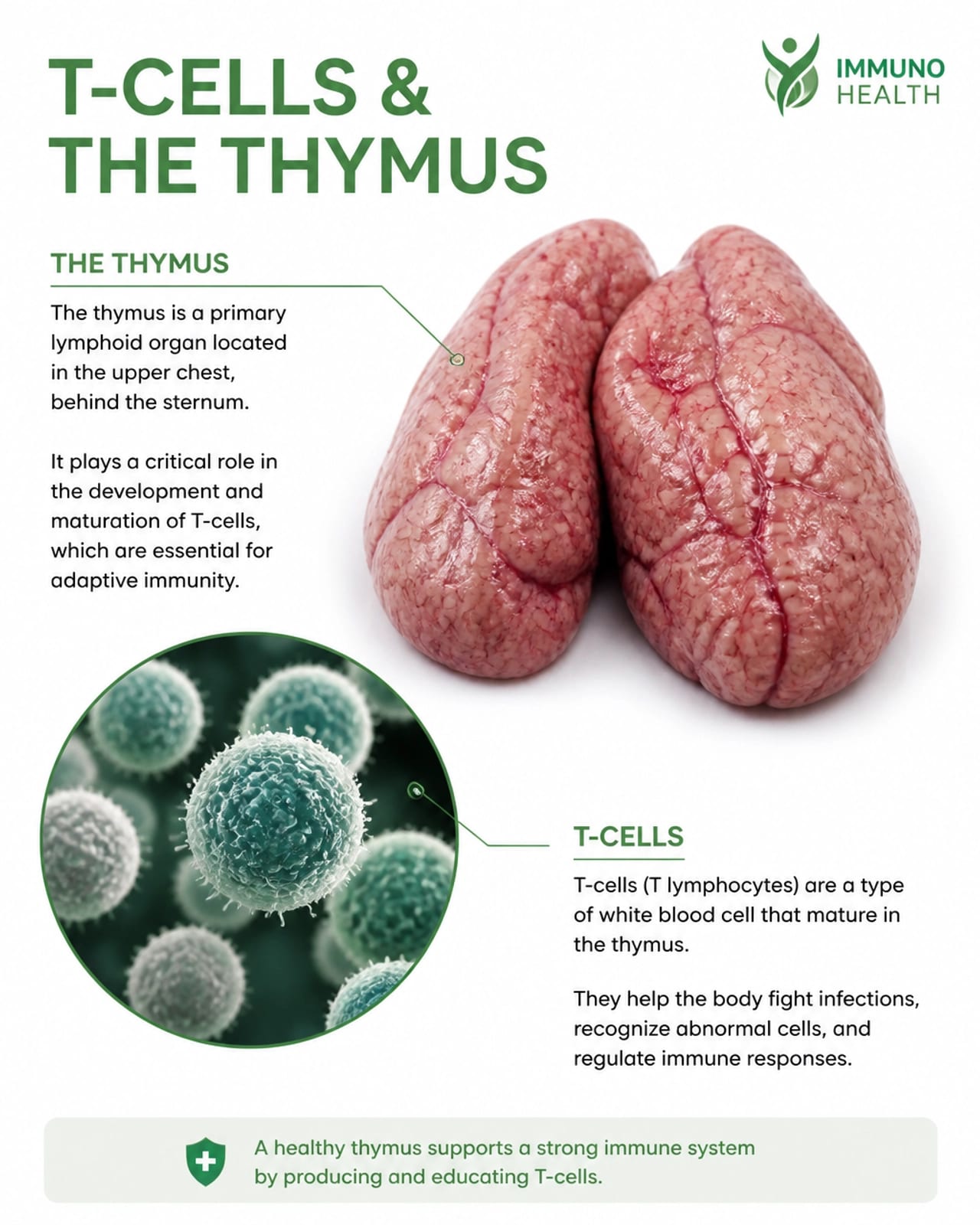
Most adults between 20 and 60 notice a gradual shift in their recovery speed. This isn’t just “getting old”; it is a process called immunosenescence: the gradual deterioration of the immune system. Your thymus, a small gland behind your breastplate, acts like a “training camp” for your immune system’s T-cells. By the time you hit 40, this training camp has often shrunk to a fraction of its original size, leading to:
- Slower wound healing: Scrapes and bruises linger for weeks rather than days.
- Chronic low-grade inflammation: Often referred to as “inflammaging,” which wears down your joints and organs.
- Reduced resilience: Your body struggles to bounce back after physical stress or environmental exposure.
Consider this: if your immune system is a high-performance sports team, the thymus is the head coach. Without a strong coach, the players (T-cells) become uncoordinated and slow.
The Solution: Vilon as the Master Bioregulator
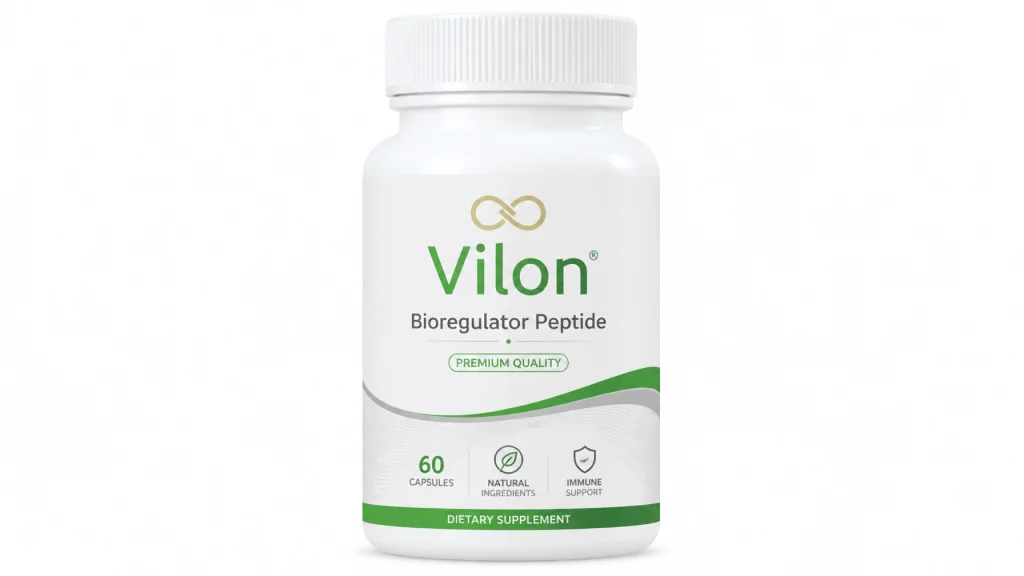
Vilon is what scientists call a thymic peptide bioregulator. Unlike complex drugs that force a change in your body, Vilon works by sending a signal. Think of it as a “software update” for your cells.
How Vilon Works: The “Zipper” Analogy
Your DNA is like a long, coiled zipper. Over time, certain sections of that zipper get stuck or “silenced.” These sections often contain the instructions for protein synthesis and tissue repair. Vilon enters the cell and helps “unzip” these specific regions of your genetic code (a process known as chromatin decondensation).
By making your DNA accessible again, Vilon allows your cells to produce the proteins necessary for repair and defense. It doesn’t create new functions; it simply restores the ones you already have.