
The Problem: Why Chronic Nerve Pain Won’t Quit
Most conventional treatments for neuropathy, such as gabapentinoids or antidepressants, act like noise-canceling headphones. They change how your brain perceives the “static,” but they do nothing to fix the frayed wires causing it. This creates a cycle of dependency where the underlying degeneration continues unchecked.
The primary driver of this degeneration is neuroinflammation. When nerves are stressed: due to high blood sugar, autoimmune responses, or physical injury: the body enters a state of chronic “alarm.” This alarm triggers pro-inflammatory cytokines (signal molecules) like TNF-α (Tumor Necrosis Factor alpha). These molecules keep the nerve in a state of hyper-sensitivity, preventing any meaningful healing from occurring.
The Solution: ARA-290 targets the root cause by activating a very specific “emergency response” receptor in the body that shifts the environment from destruction to reconstruction.
What is ARA-290? The 911 Signal for Your Cells
ARA-290 is a synthetic peptide derived from the structure of Erythropoietin (EPO). You may know EPO as the hormone that stimulates red blood cell production, but ARA-290 is different. It was engineered to strip away the blood-building properties and focus exclusively on tissue protection and repair.
Think of EPO as a massive multi-tool. ARA-290 is the one specific high-precision screwdriver on that tool designed to fix delicate electronics. It works by binding to the Innate Repair Receptor (IRR).
Understanding the Innate Repair Receptor (IRR)
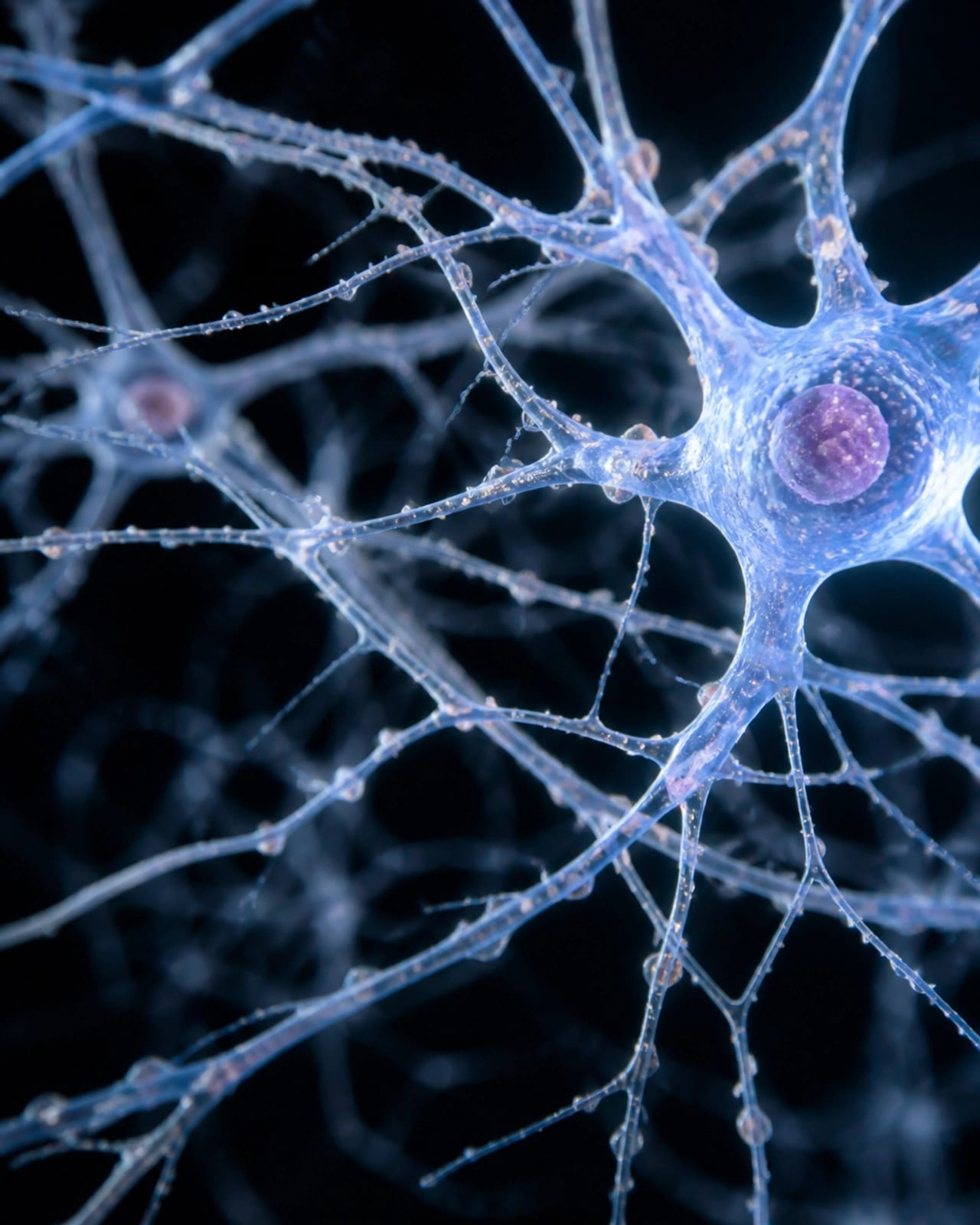
The IRR is like a biological “911 receiver” that is only expressed when tissue is under extreme stress or injury. Under normal conditions, this receptor is silent. However, when the IRR is activated by a signal like ARA-290, it initiates a powerful cytoprotective (cell-protecting) cascade.
- Halting the Fire: It immediately suppresses the inflammatory “fire” by inhibiting NF-κB, a protein complex that controls the production of inflammatory signals.
- Survival Mode: It activates pathways that prevent apoptosis (programmed cell death), keeping damaged nerve cells alive long enough to be repaired.
- The Rebuild: It encourages the growth of small nerve fibers, effectively “re-wiring” the damaged areas.
[video_placeholder_1: A visual explanation of the Innate Repair Receptor and how ARA-290 binds to it]
