
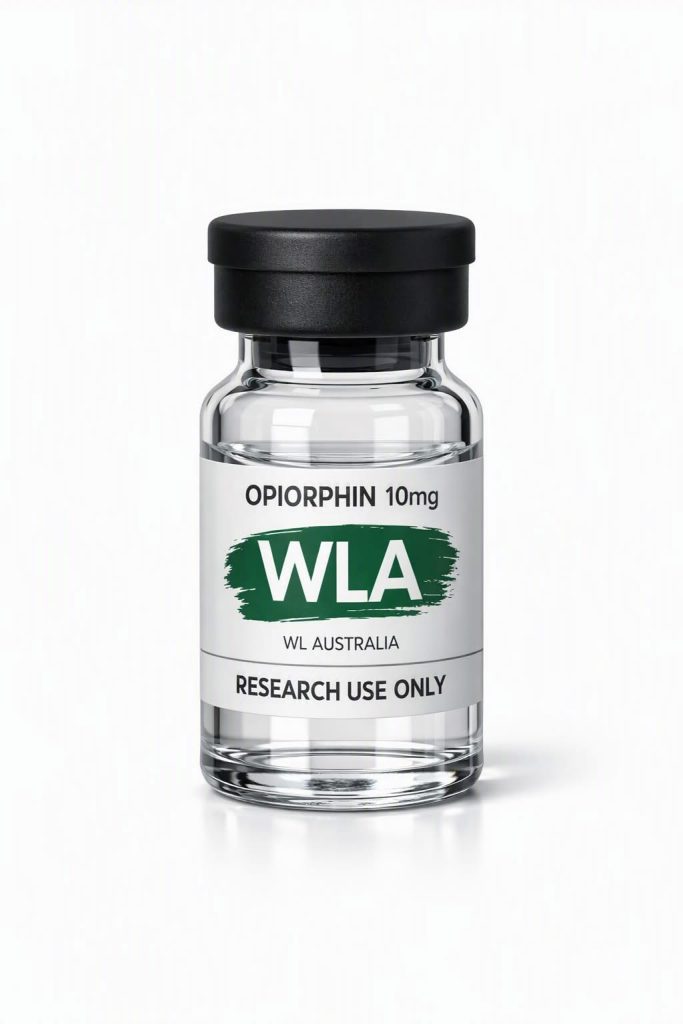
1. Foundational Concepts: How Natural Analgesic Peptides Function
The Problem: Signaling Breakdown in Nociceptive Pathways
When tissue damage occurs, the body’s neural network fires pain signals like an alarm system blaring across a construction site. Normally, your body releases enkephalins: endogenous opioid neuropeptides that act as natural gatekeepers to dampen nociceptive signaling (the neural transmission of pain signals). However, enzymes like neprilysin (NEP, neutral endopeptidase) and aminopeptidase-N (AP-N) rapidly degrade these enkephalins, much like a demolition crew tearing down scaffolding before it can stabilize the structure.
The Solution: Targeted Molecular Optimization
To restore balance, researchers study peptides that protect or stimulate these pathways. Think of it like tuning a high-performance car engine: you want maximum output with zero collateral damage.
- Opiorphin acts as a precision wrench, inhibiting NEP and AP-N to preserve your body’s native enkephalins.
- Dermorphin acts as a universal master key, directly activating mu-opioid receptors ($mu$-opioid receptors) with extreme potency.
Key Takeaway: Understanding whether a peptide potentiates native signaling or artificially overrides receptor sites is the cornerstone of safe research design.
2. Deep Dive: Opiorphin vs. Dermorphin in Preclinical Research
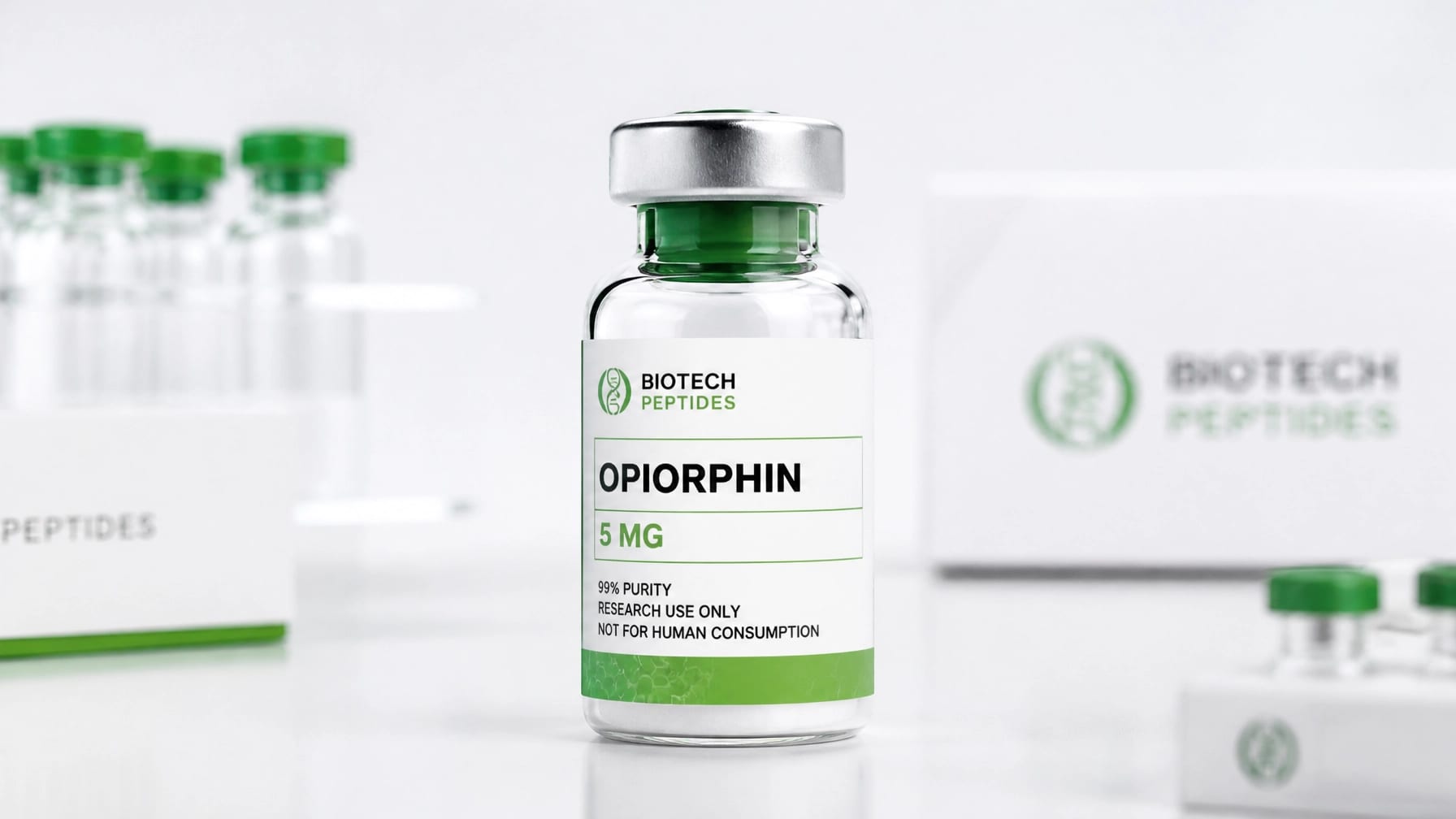
Opiorphin: The Endogenous Amplifier
- Definition: Opiorphin is an endogenous pentapeptide (a short chain of five amino acids with the sequence Gln-Arg-Phe-Ser-Arg) originally isolated from human saliva.
- Mechanism: It binds to zinc ectopeptidases, inhibiting their degradative action. By locking the “zipper” on enkephalin breakdown, it amplifies natural pain relief only where pain signals are actively firing.
- Analgesic Potency: In murine mechanical and chemical pain models, 1 mg/kg of systemic opiorphin yields analgesia comparable to 3 to 6 mg/kg of morphine, without inducing sedation or motor impairment.
Dermorphin: The Exogenous Powerhouse
- Definition: Dermorphin is a naturally occurring heptapeptide (seven amino acids containing a D-alanine residue) extracted from the skin secretions of South American tree frogs (Phyllomedusa species).
- Mechanism: It is a high-affinity, direct $mu$-opioid receptor agonist: meaning it floods the receptor sites directly, bypassing the body’s natural regulatory feedback loops.
- Analgesic Potency: Dermorphin is orders of magnitude more potent than morphine on a molar basis. However, its high potency is a double-edged sword: it carries severe risks of respiratory depression, tolerance, and physical dependence.
Quick Comparison Table
| Metric | Opiorphin | Dermorphin |
|---|---|---|
| Origin | Endogenous human salivary peptide (PROL1 protein derivative) | Exogenous amphibian peptide toxin |
| Mechanism | Indirect enkephalinase inhibition (NEP & AP-N) | Direct full $mu$-opioid receptor agonism |
| Morphine Equivalence | 1 mg/kg i.v. ≈ 3–6 mg/kg morphine | Multiples stronger than morphine |
| Tolerance & Addiction Risk | Minimal/undetected in rodent studies | High (classic opioid risk profile) |
| Research Status | Active preclinical SAR & liposomal trials | Restricted / experimental tool / historical doping concern |
