
1. The Core Problem: Navigating the Frustration of Slow Gut Recovery
The Frustration
You experience persistent digestive distress, bloating, or mucosal irritation that refuses to resolve through diet alone. Traditional interventions often manage symptoms rather than rebuilding the structural integrity of your intestinal lining.
The Solution
By utilizing targeted restorative peptides, you can signal your cells to accelerate mucosal healing, reinforce tight junctions, and restore microcirculation. Think of these peptides as specialized engineering crews sent directly to damaged sectors of your gut wall.
- Targeted Signaling: Stimulates rapid cellular migration over lesions.
- Barrier Reinforcement: Tightens the cellular “zippers” guarding your bloodstream against toxins.
- Blood Flow Restoration: Promotes the creation of new blood vessels (angiogenesis) to nourish starving tissue.
Expert Insight: In the context of Australian health standards and stringent TGA (Therapeutic Goods Administration) oversight, understanding research compounds requires strict adherence to safety protocols and medical guidance. Always consult a qualified healthcare professional before incorporating experimental agents into your regimen.
2. Meet the Contenders: Dalargin vs. BPC-157
To make an informed decision, let’s examine what each peptide brings to the workbench.
Dalargin: The Legacy Cytoprotective Peptide
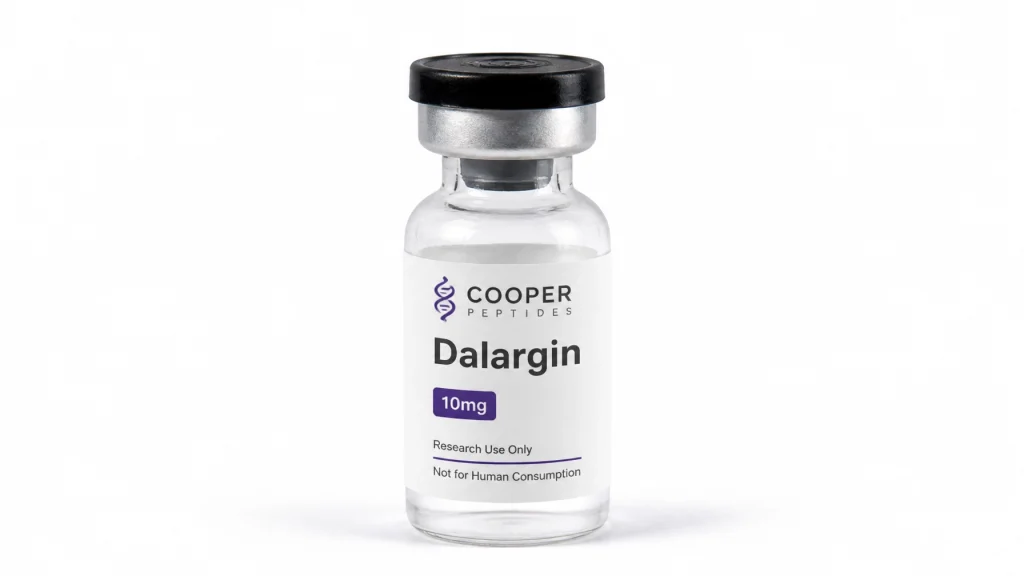
Dalargin is a synthetic analogue of Leu-enkephalin (an endogenous opioid peptide). Historically investigated in Soviet-era pharmacology, Dalargin acts primarily as an opioid receptor agonist with anti-stress and anti-ulcer properties.
- Primary Mechanism: Modulates stress-induced gastric mucosal injury and enhances mucosal blood flow through central and peripheral pathways.
- Evidence Base: Mostly older preclinical and small clinical trials focusing on stress ulcers and ischemia.
BPC-157: The Modern Gastric Powerhouse
BPC-157 is a stable gastric pentadecapeptide (a chain of 15 amino acids) originally isolated from human gastric juice. It is widely recognized as a prototype of Robert’s cytoprotection, setting the gold standard for modern GI repair research.
- Primary Mechanism: Upregulates vascular endothelial growth factor (VEGF), promotes nitric oxide (NO) synthesis, and directly repairs tight-junction proteins like ZO-1 (Zonula Occludens-1).
- Evidence Base: Extensive modern preclinical literature (>100 studies) covering NSAID-induced enteropathy, colitis, ulcers, and early inflammatory bowel disease (IBD) trials.

