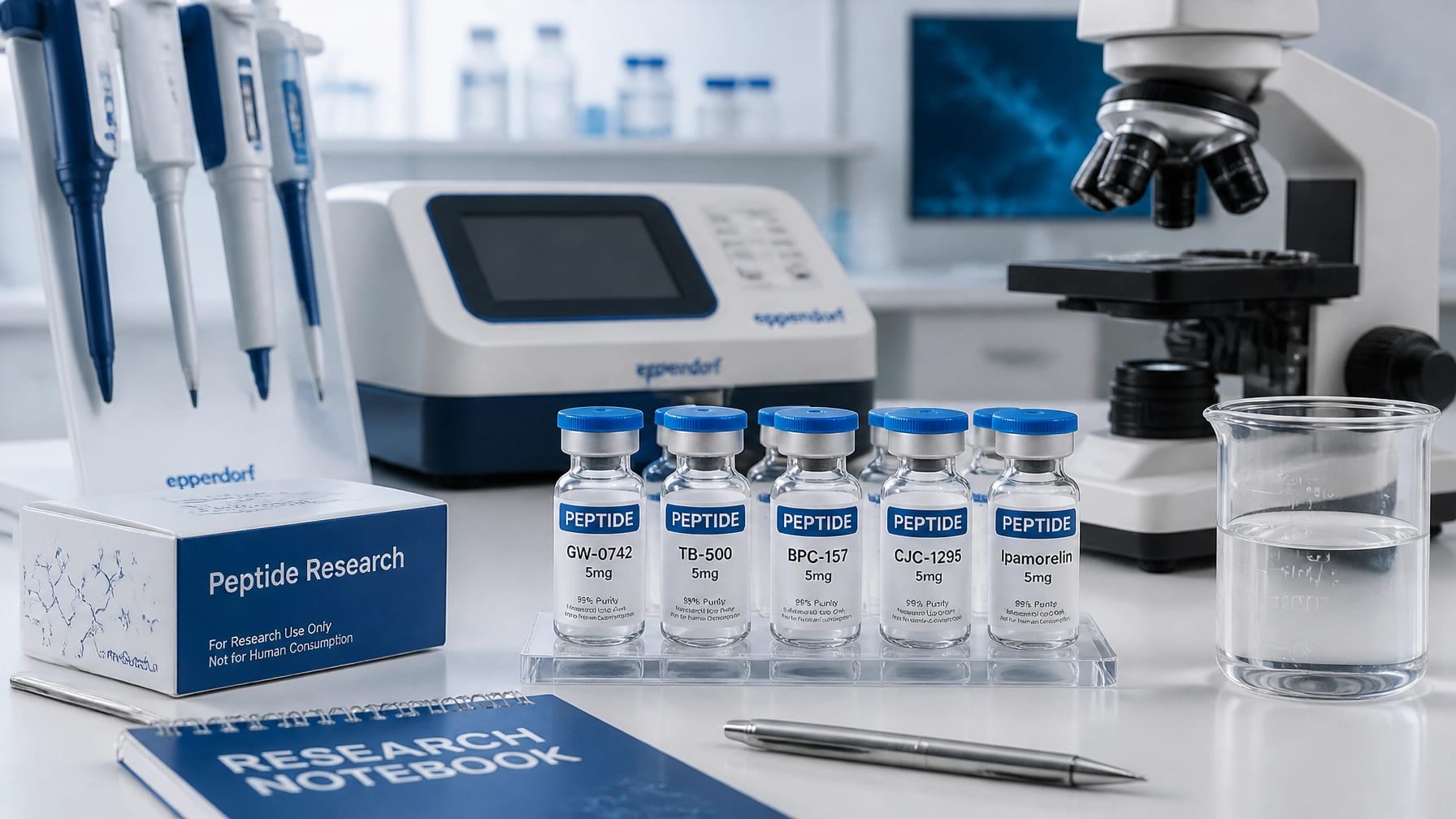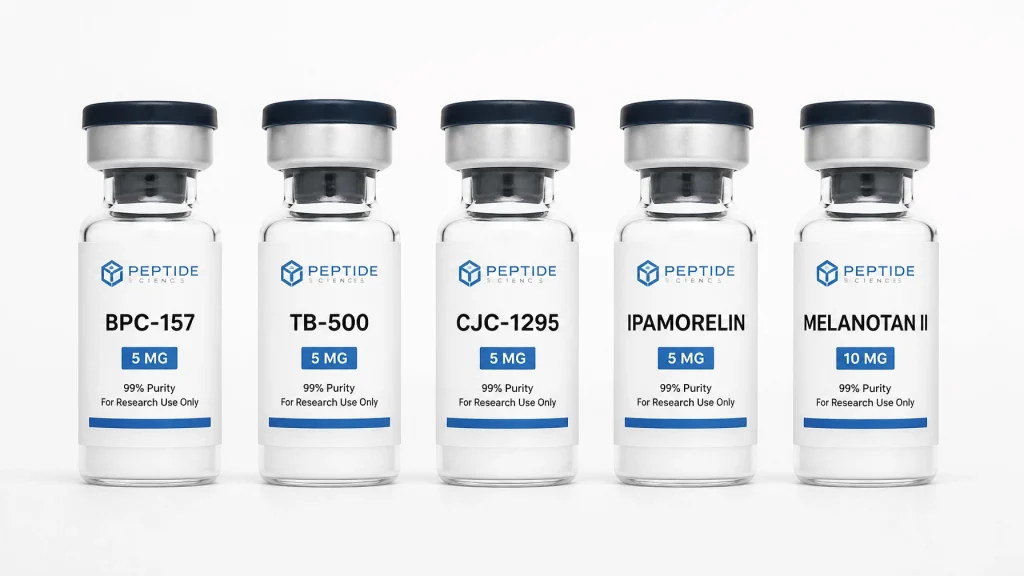
1. The Healing Blueprint: Understanding the Biological Construction Site
The Problem: When you experience severe soft-tissue, tendon, or bone trauma, your body’s natural repair crew often gets overwhelmed, leading to delayed remodeling, chronic inflammation, and prolonged downtime.
The Solution: Think of your healing tissues as a major metropolitan construction site. Without proper coordination, materials pile up incorrectly, and structural integrity is compromised. Repair peptides act as specialized foremen and master coordinators. They do not just dump raw materials into the wound; they direct traffic, signal crane operators, and ensure that every beam is locked into place.
To explore more specialized recovery options, you can also review research-grade formulations available through our catalog, such as Dalargin 10mg and Thymopentin 20mg.
2. Meet the Contenders: TP508, BPC-157, and TB-500
BPC-157: The Local Site Foreman
BPC-157 is a 15-amino-acid gastric pentadecapeptide derived from a protective protein found in human gastric juice.
- Mechanism: It operates primarily as a local cytoprotector and pro-angiogenic agent. It upregulates VEGF (Vascular Endothelial Growth Factor) and modulates nitric oxide pathways to build new blood vessels directly at the injury site.
- Analogy: Imagine BPC-157 as the lead contractor stationed directly at the damaged foundation, pouring concrete and laying down emergency piping to restore blood flow and stability to tendons and ligaments.
TB-500: The Logistics and Transport Team
TB-500 is a synthetic fragment of Thymosin Beta-4 (Tβ4), an endogenous protein responsible for regulating actin dynamics across the body.
- Mechanism: It binds to G-actin (globular actin) to facilitate cellular migration. Instead of staying put, TB-500 mobilizes cells across the entire system, allowing fibroblasts and endothelial cells to travel to distant injury sites.
- Analogy: If BPC-157 builds the local foundation, TB-500 is the heavy transport fleet and logistics network, hauling specialized repair crews and structural panels across the entire body to reinforce muscle, skin, and soft tissue.
TP508 (Chrysalin): The Ischemic Rescue Specialist
TP508 is a 23-amino-acid peptide derived from the receptor-binding domain of thrombin, designed as a non-coagulant thrombin mimetic.
- Mechanism: It activates PAR-1 (Proteinase-Activated Receptor 1) signaling without triggering blood clotting. This stimulates microvascular perfusion, chemotaxis, and early-phase repair gene expression, particularly in poorly vascularized or ischemic bone and tissue.
- Analogy: Think of TP508 as an emergency response crew dispatched specifically to zones choked off from oxygen and nutrients, clearing blockages and restoring vital supply lines so cellular recovery can begin.