
Why proactive eye health matters
The problem: gradual changes are easy to ignore
Age-related vision changes often develop quietly. You may notice that reading small text takes more effort, bright sunlight feels uncomfortable or your eyes need longer to adjust when moving from a bright room into darkness.
These changes can also be influenced by:
- Repeated UV exposure
- Diabetes, high blood pressure or high cholesterol
- Smoking
- Poor sleep and chronic stress
- Long periods of screen use
- Existing retinal, lens or optic nerve conditions
Think of your eyes as a building site that never closes. Retinal cells are constantly processing light and using energy. The lens and cornea must remain clear. Tiny blood vessels must keep delivering oxygen and removing waste. Over time, the repair crew may struggle to keep pace with daily wear.
The solution: use layers, not a single fix
A proactive strategy uses several layers of support:
- Professional monitoring to identify changes early
- Environmental protection such as UV-rated sunglasses and hats
- Lifestyle support for blood pressure, glucose, sleep and circulation
- Targeted research protocols, considered only with appropriate professional oversight
Short summary: protect the structure, support the system and monitor the results.
The retina and retinal thickness
The retina is the light-sensitive tissue at the back of the eye. It converts light into electrical signals, much like a camera sensor converts light into digital information.
Within the retina, photoreceptors detect light while other specialised cells process and transmit the signal. The retinal pigment epithelium also helps maintain the environment around these cells. This is a demanding biological process, and age-related stress can affect retinal function and structure.
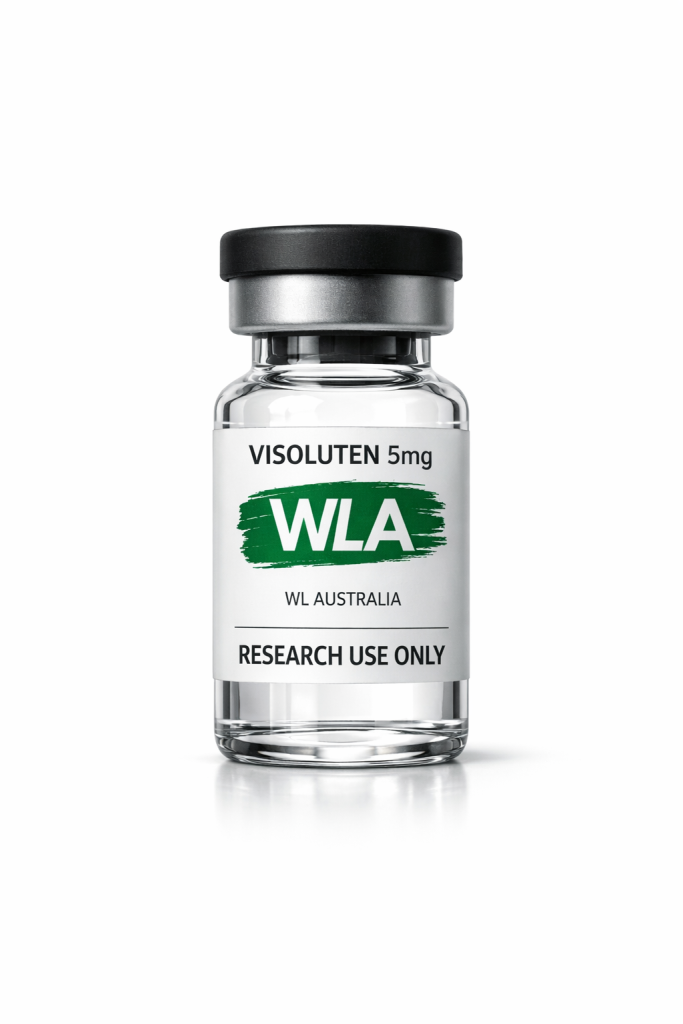
The foundational chapter presents Visoluten as a natural ocular peptide complex intended to support retinal tissue. Its preventative role is described as helping maintain retinal health and thickness over time.
It is important to keep this claim in context. There is currently no strong, independently verified evidence showing that Visoluten prevents age-related vision loss or reliably changes retinal thickness in humans. If retinal structure is a concern, objective monitoring with an eye examination and, where indicated, optical coherence tomography (OCT) is more useful than relying on symptoms alone.
Visoluten: the scheduled retinal support phase
The chapter’s preventative strategy uses:
- One 30-day Visoluten cycle
- Repeated twice per year
- Regular daily consistency during each cycle
Think of this like a seasonal service for your visual system. You do not wait for a car engine to fail before checking the oil. A scheduled approach is designed to support maintenance before problems become obvious.
Explore the Visoluten 5mg product page for current product information and research-use notices.

