
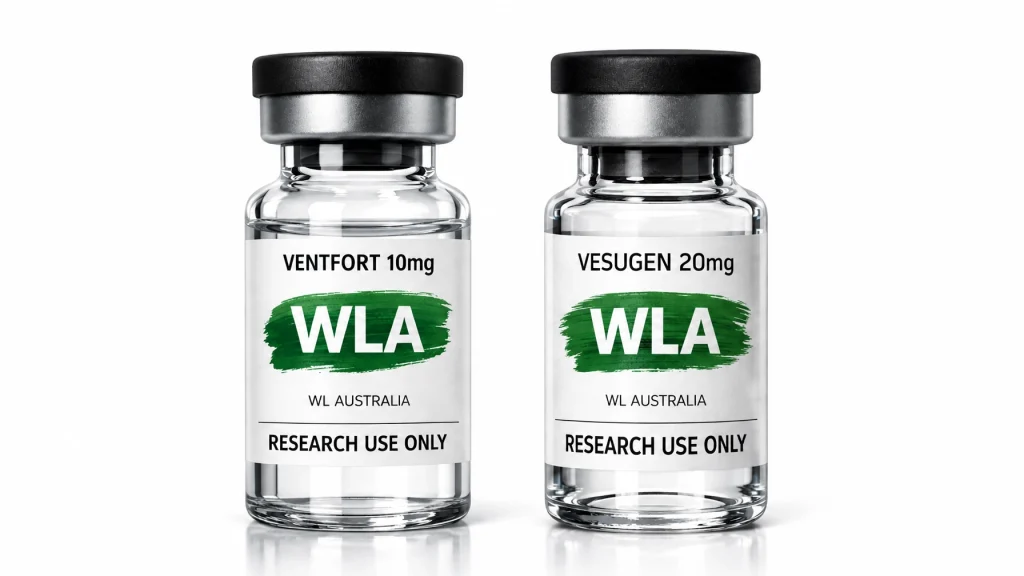
Why Blood Vessels Lose Elasticity with Age
The problem: flexible vessels gradually become stiffer
Young blood vessels behave somewhat like a new garden hose. They can expand, contract and adjust to changing pressure without losing their shape.
Over time, the vessel wall changes. Elastic fibres may become less resilient, collagen can accumulate, and the inner lining may not respond as effectively to the body’s signals. This process is known as vascular ageing.
The result can include:
- Reduced arterial flexibility
- Higher resistance to blood flow
- Greater workload for the heart
- Less efficient microcirculation
- Increased susceptibility to plaque formation
Microcirculation means blood flow through the smallest vessels, including arterioles, capillaries and venules. These tiny routes are the final delivery network, supplying oxygen and nutrients directly to tissues.
When microcirculation is compromised, it is like a city with strong highways but blocked local streets. Blood may reach the general area, yet delivery to individual tissues becomes less efficient.
The short version: healthy circulation depends on both strong large vessels and effective small-vessel flow.
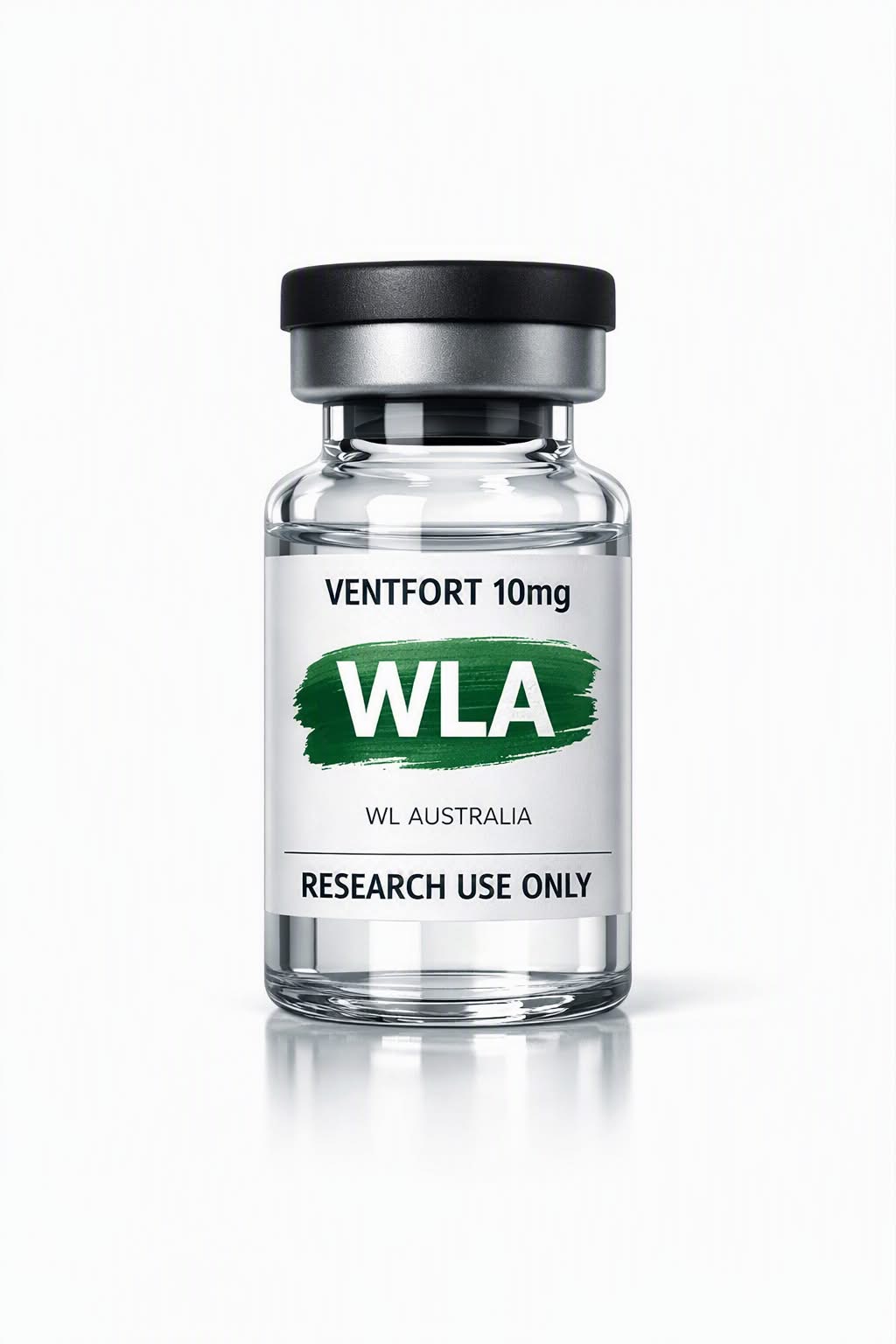
Ventfort: Broad Support for Vessel-Wall Research
The problem: the vessel wall needs structural maintenance
A blood vessel is more than a hollow tube. Its wall contains layers of tissue, including smooth muscle and an inner lining called the endothelium.
The endothelium acts like a smart control surface. It helps regulate how vessels widen and narrow, how blood interacts with the vessel wall, and how the body responds to changes in pressure and flow.
The foundational chapter presents Ventfort as a natural peptide extract derived from aortic tissue and associated with the A-3 peptide complex. It describes Ventfort as supporting:
- Vessel-wall structure
- Elasticity and tone
- Cellular metabolism
- Lipid metabolism
- Microcirculatory function
Think of Ventfort as a proposed maintenance team for the vascular network. Rather than focusing on one signalling pathway, the extract is described as providing broader support for the physical environment in which vascular cells operate.
That concept is attractive because the circulatory system is interconnected. A strong heart cannot work at its best if the vessels are rigid. Likewise, flexible vessels cannot compensate for every heart-related problem.
The solution proposed by the chapter: support the vessel wall as a whole, while recognising that this remains an area of research rather than established clinical treatment.
