
The gastric mucosal barrier: your stomach’s protective shield
The problem: stomach acid can damage the tissue it is meant to protect
Your stomach needs acid to digest food and help destroy some harmful microorganisms. That acid is powerful. Without protection, it could irritate and damage the stomach wall.
Your stomach therefore relies on the gastric mucosal barrier. This barrier is made up of several layers working together:
- A coating of mucus that helps keep acid away from the stomach wall
- Bicarbonate, which helps neutralise acid close to the tissue
- Epithelial cells, which form the surface lining
- Healthy blood flow, which supplies oxygen and nutrients
- Rapid cell renewal, which replaces worn or injured cells
Imagine the stomach as a busy industrial tank lined with a heat-resistant coating. The tank needs strong chemicals inside it, but the coating prevents those chemicals from damaging the structure. If the coating becomes thin or patchy, irritation can begin.
The solution: support the lining’s natural maintenance systems
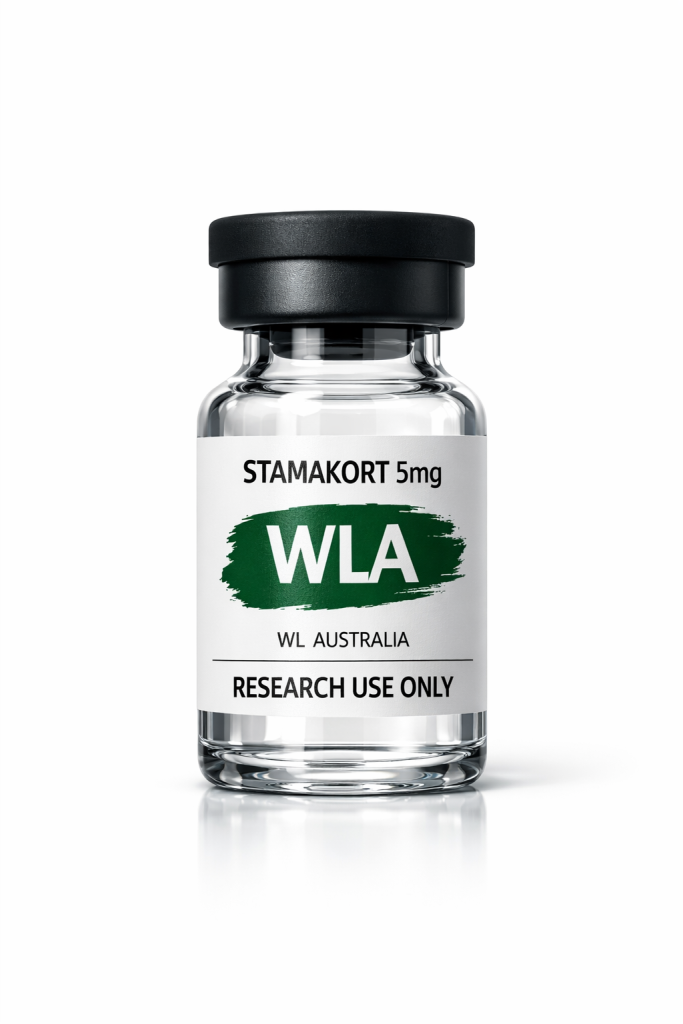
The chapter provided for this article presents Stamakort as a natural extract derived from the stomach lining of healthy young animals. Its proposed role is to provide tissue-associated peptide signals that support the renewal and normal function of gastric mucosal cells.
This is a regenerative concept, not simply a pain-relief concept. Instead of only turning down the alarm, the aim is to support the underlying protective surface.
The important distinction is that this mechanism remains a research hypothesis with limited clinical evidence. It should not be presented as proven treatment for gastritis, ulcers, reflux, or any other diagnosed condition.
Short summary: A healthy stomach needs both acid for digestion and a strong barrier for protection.

Stamakort and gastric repair research
The problem: stomach irritation can become a repeating cycle
When the mucosal barrier is weakened, acid and digestive enzymes may irritate the underlying tissue. That irritation can lead to more inflammation, increased sensitivity, and slower recovery.
Common contributors may include:
- Infection with Helicobacter pylori (H. pylori)
- Frequent use of non-steroidal anti-inflammatory drugs (NSAIDs)
- Alcohol or smoking
- Severe physical stress
- Reflux of bile or stomach contents
- Other medical conditions
Gastritis means inflammation of the stomach lining. It can be short-lived or persistent. Symptoms may include upper abdominal discomfort, nausea, early fullness, indigestion, or loss of appetite.
Stamakort is discussed in some bioregulator research as a stomach-focused peptide complex, sometimes referred to as A-10. Small clinical reports have described changes in symptoms and gastric secretory function in people with chronic gastritis. However, the overall evidence base is limited.
The solution: understand what the research does: and does not: show
Early research can help identify a possible biological signal, but it cannot answer every clinical question. You need to separate:
- Laboratory or animal findings from proven human outcomes
- Small studies from large, well-controlled clinical trials
- Product descriptions from independent medical guidelines
- Symptom improvement from confirmed healing of damaged tissue
For Stamakort, the available research context is not strong enough to claim that it reliably heals ulcers or replaces standard gastritis treatment. More robust research is needed, including larger studies, clear control groups, long-term follow-up, and independent replication.
This is similar to testing a new building material. A sample may perform well in a controlled laboratory, but engineers still need to test it under real weather, pressure, and long-term use before approving it for every construction project.
Pulse point: Promising is not the same as proven. Research is a starting point, not a diagnosis.
