
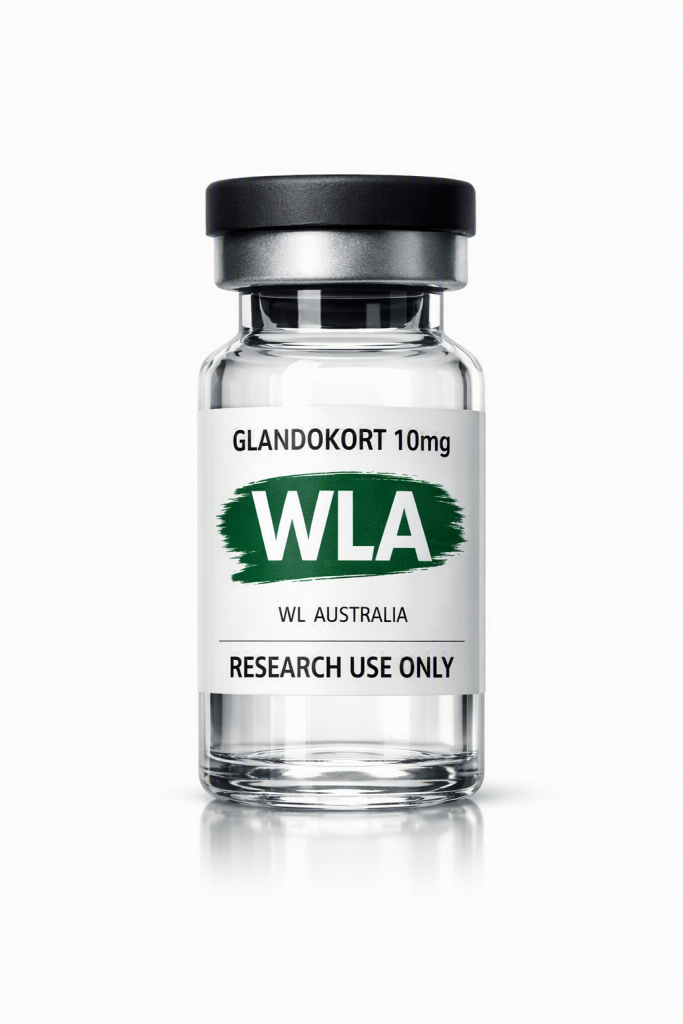
The stress problem: when the alarm keeps ringing
Your stress system is designed for short bursts. Imagine a building’s fire alarm. When there is smoke, the alarm sounds, emergency systems activate, and the building directs resources toward the immediate problem. Once the danger passes, the alarm should switch off.
The body’s stress response works in a similar way.
The brain communicates with the adrenal glands through the hypothalamic-pituitary-adrenal (HPA) axis. This is a communication network involving the hypothalamus and pituitary gland in the brain, together with the adrenal glands. During stress, the system signals the adrenal glands to release cortisol and other hormones.
Cortisol can help you:
- Release glucose into the bloodstream for rapid energy
- Maintain blood pressure and cardiovascular function
- Stay alert during a stressful event
- Regulate immune activity and inflammation
- Coordinate the body’s response to physical or psychological demands
The problem is not that cortisol exists. You need it. The problem is that ongoing stress, poor sleep, illness, overtraining or emotional strain can keep your stress-response system activated for too long.
The solution: restore the foundations first
Before considering any advanced research concept, focus on the basics:
- Identify the stress load. Work pressure, caregiving, financial strain, illness and excessive training can all contribute.
- Protect sleep. Keep a consistent wake time, reduce late-night screen exposure and address snoring or suspected sleep apnoea.
- Support regular meals and movement. Stable nutrition and moderate exercise give the body predictable inputs.
- Seek professional assessment. Persistent fatigue is not a diagnosis. It is a signal to investigate.
Short summary: Stress is real. Cortisol is essential. “Adrenal fatigue” is not an accepted medical diagnosis.

Adrenal fatigue: a popular label, not a recognised diagnosis
The phrase adrenal fatigue is often used to describe tiredness, poor sleep, brain fog, cravings or low resilience after prolonged stress. However, major medical organisations do not recognise adrenal fatigue as a distinct disease.
A systematic review of 58 studies found no reliable evidence that chronic stress simply “wears out” healthy adrenal glands. The authors concluded that adrenal fatigue is not a substantiated medical condition. You can read the abstract on PubMed.
That does not mean your symptoms are imaginary. It means the label may hide other causes, including:
- Iron deficiency or anaemia
- Thyroid disorders
- Sleep apnoea or chronic insomnia
- Depression, anxiety or burnout
- Diabetes or blood-sugar disorders
- Medication effects
- Infection or inflammatory disease
- Genuine adrenal insufficiency
Adrenal insufficiency is different from adrenal fatigue. It is a recognised medical condition in which the adrenal glands do not produce enough cortisol, sometimes along with insufficient aldosterone. It can be serious and requires medical evaluation.
A clinician may review your history, examine you and order tests such as a full blood count, thyroid testing, electrolytes, glucose, liver and kidney markers, or cortisol testing where clinically appropriate. Do not rely on unvalidated saliva panels or self-prescribed hormone products to diagnose yourself.
Problem: You feel depleted but do not know why.
Solution: Treat the symptom as an investigation point, not proof of adrenal exhaustion.
