
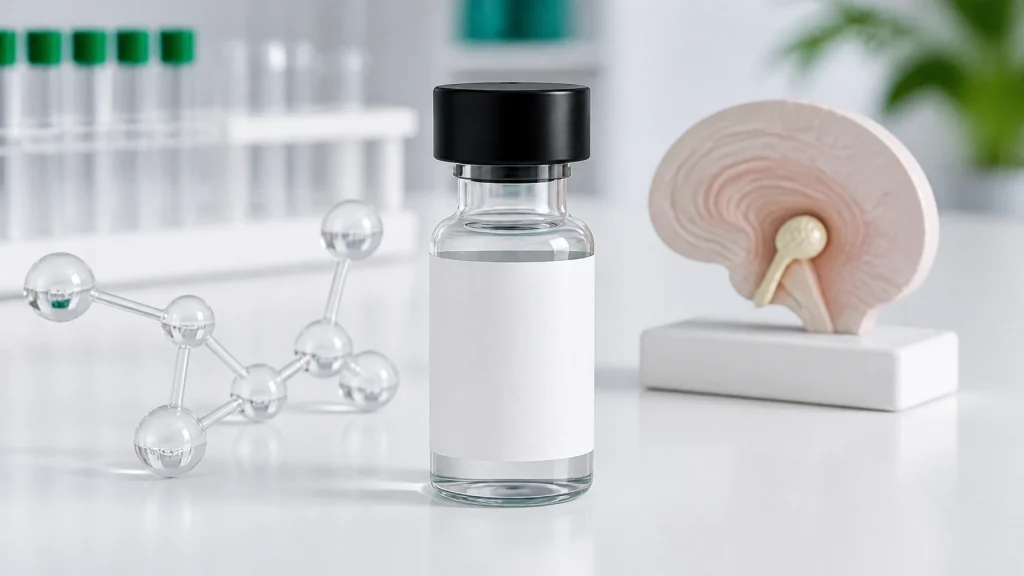
The problem: Your cells cannot copy their chromosomes perfectly forever
Every time a cell divides, it must copy its genetic material. Think of your chromosomes as long shoelaces containing the instructions for running a cell. At the end of each shoelace is a small plastic tip, called an aglet, which stops the lace from fraying.
Telomeres perform a similar protective role. They sit at the ends of chromosomes and help prevent important genetic material from becoming damaged or tangled during cell division.
But there is a limitation. With each round of cell division, telomeres generally become a little shorter. When they become critically short, the cell may stop dividing normally. It may enter a resting state called cellular senescence, or it may lose function and eventually die.
This process is not the only cause of aging. Telomere length varies between tissues and individuals, and it is influenced by genetics, biological stress, inflammation, lifestyle, and environmental factors.
Short summary: Telomeres act like protective caps. Over time, repeated cell division can gradually wear them down.
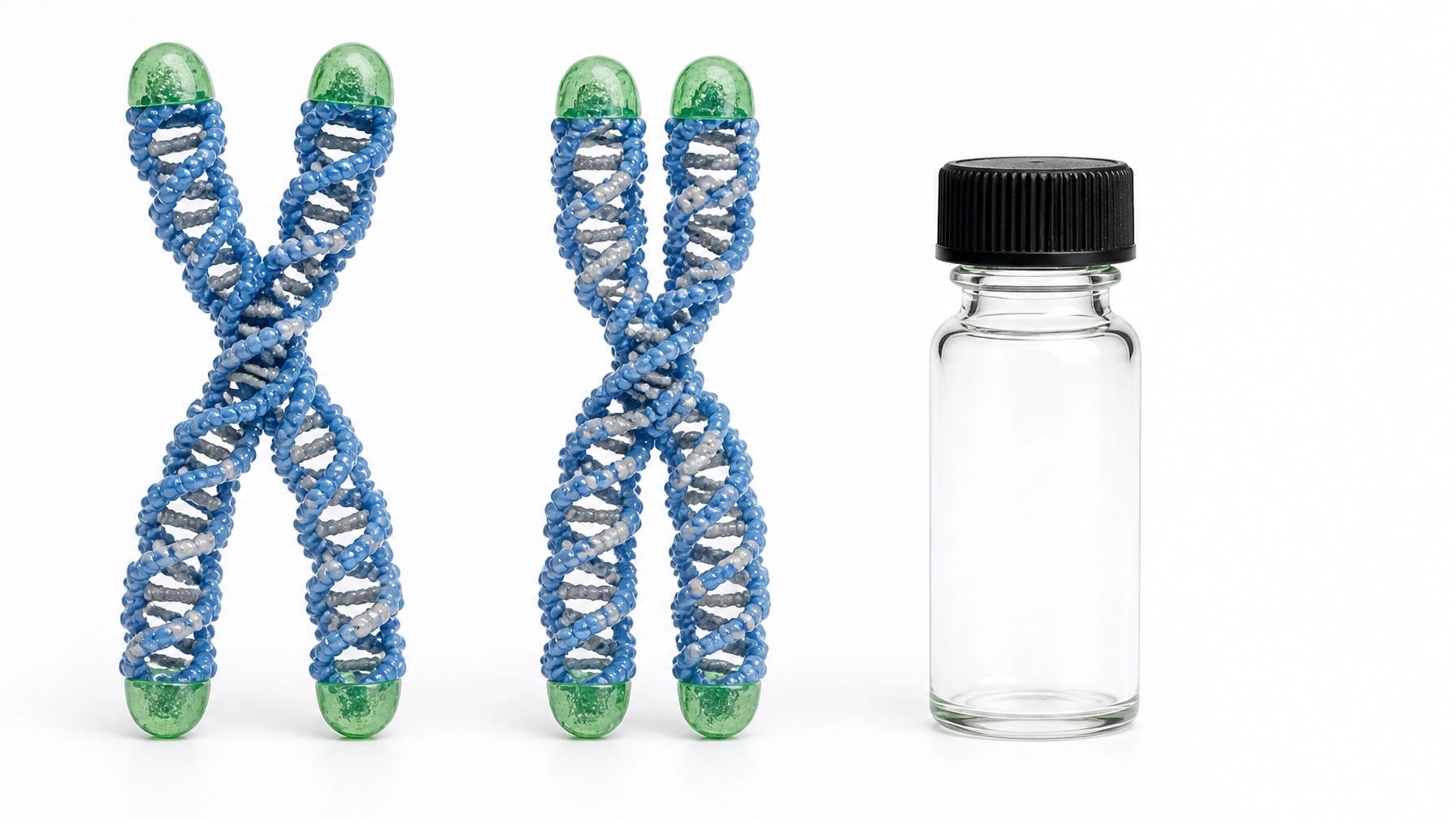
The solution under investigation: Support the enzyme that maintains telomeres
Your body has a natural maintenance system for telomeres. It involves an enzyme called telomerase.
Telomerase can add DNA sequence back to the ends of chromosomes, helping maintain telomere structure in certain cells. You can think of it as a repair crew that replaces worn plastic tips on shoelaces. The crew does not rebuild the whole shoe, and it does not make the shoelace permanently new. It helps preserve an important protective feature.
Telomerase activity is naturally higher in some cell types, including certain stem and reproductive cells. In many ordinary body cells, however, telomerase activity is limited. This balance matters because telomere maintenance is part of a much larger system involving cell growth, DNA repair, and regulation.
That is why researchers are interested in compounds that may influence telomerase. The goal is not simply to “turn on” cell division. The goal is to understand whether telomere maintenance can be supported in a controlled and biologically useful way.
The key principle is balance: repair, recovery, and regulation must work together.
