
What is Klamath algae?
The problem: “blue-green algae” covers many different organisms
The term blue-green algae can be confusing. Some products come from cultivated cyanobacteria, while others are harvested from natural lakes. Different species can contain different nutrients, pigments and potential contaminants.
The solution: identify the organism and its source
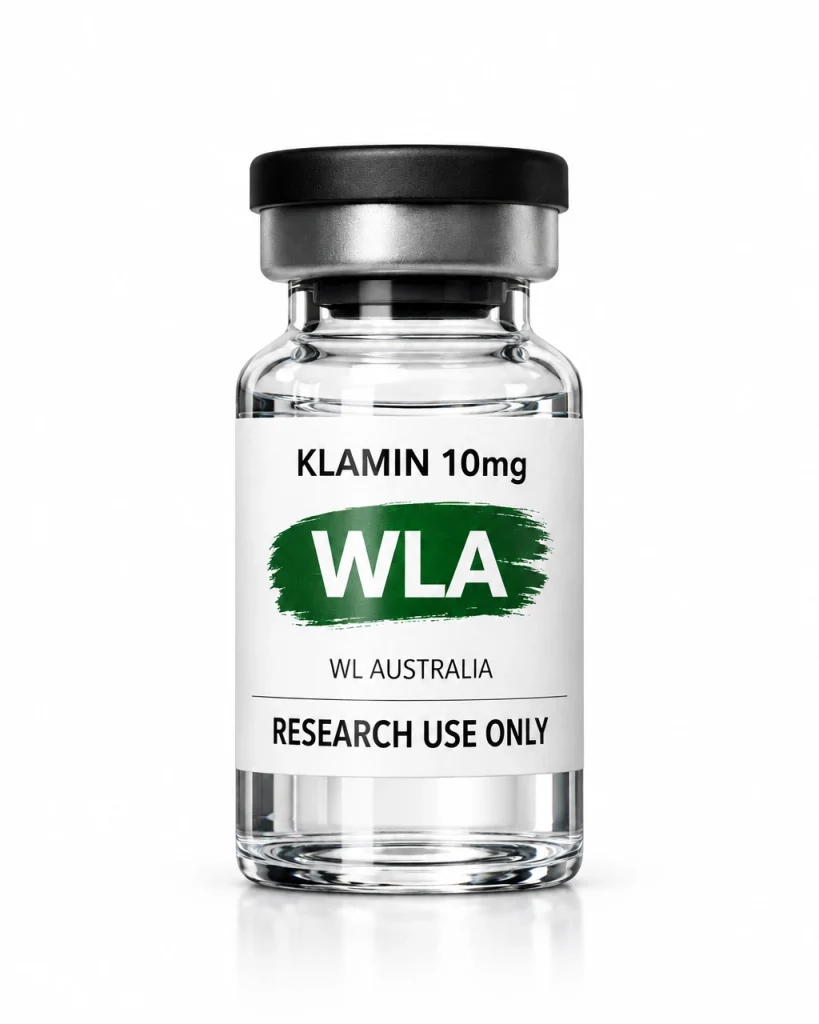
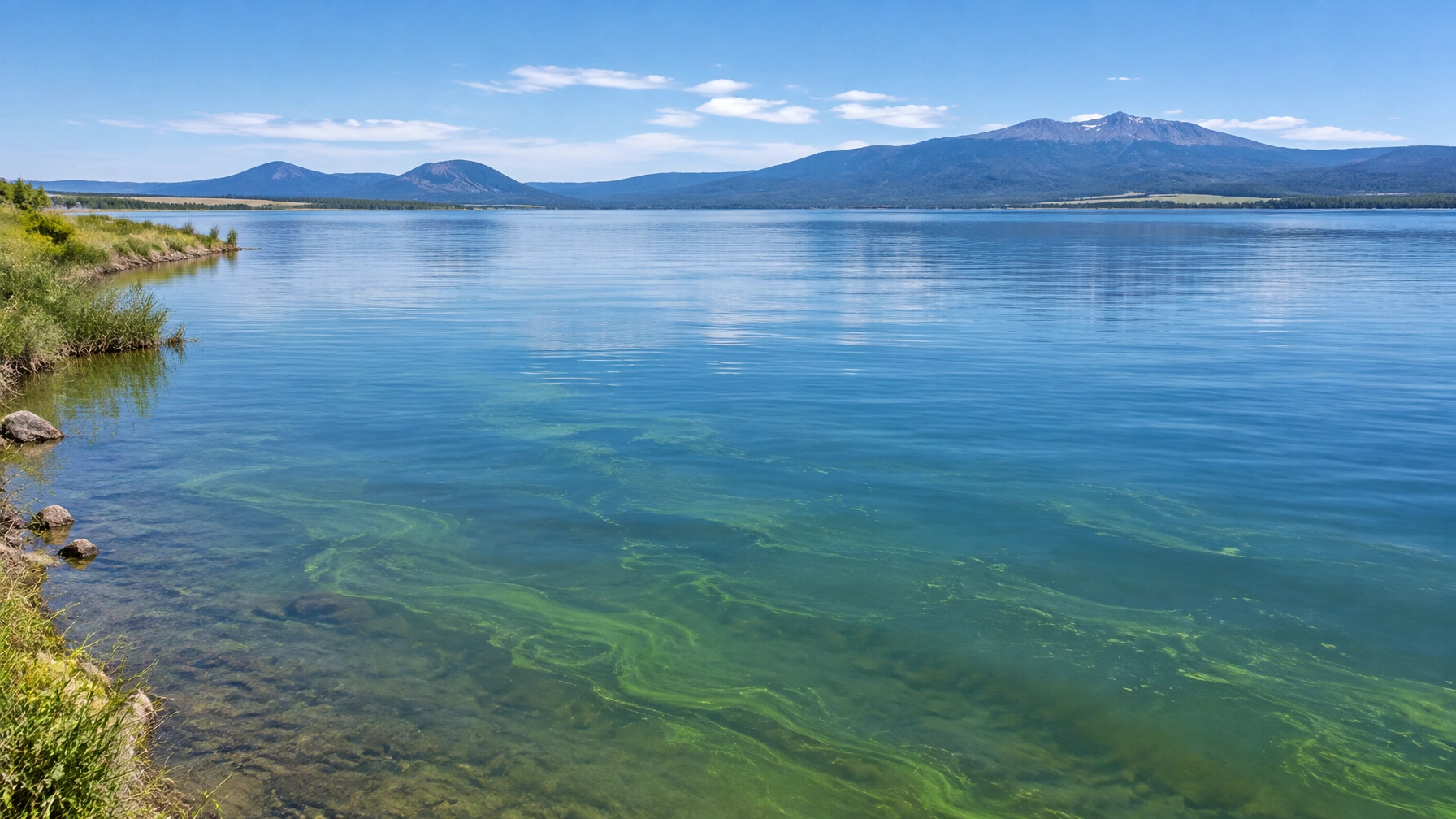
Klamin is associated with Aphanizomenon flos-aquae, commonly abbreviated as AFA. The organism grows in the mineral-rich waters of Upper Klamath Lake in Oregon. Although commonly called an algae, AFA is technically a cyanobacterium. A photosynthetic microorganism that uses light to produce energy.
Imagine Upper Klamath Lake as a natural biological greenhouse. Sunlight, water chemistry and seasonal conditions support the growth of AFA. The harvested material can then be processed into extracts designed to concentrate particular compounds.
The result is not a single isolated molecule. It is better understood as a biochemical matrix, similar to a team rather than one player. PEA, phycocyanins, MAAs, carotenoids and other components may contribute to the extract’s overall activity.
Short summary: Klamin is an AFA-derived extract from Upper Klamath Lake, not a peptide and not a conventional pharmaceutical.
The key components inside the extract
The problem: isolated “active ingredient” thinking can miss the full picture
Many supplements are discussed as though one ingredient explains everything. Klamin is more complex. Its research profile relates to several naturally occurring components working within the same extract.
The solution: examine the main compounds separately
| Component | What it is | Why researchers study it |
|---|---|---|
| Phenylethylamine (PEA) | A naturally occurring trace amine and neuromodulator | Associated with monoamine signalling and mood-related pathways |
| AFA-phycocyanins | Blue pigment-proteins found in cyanobacteria | Studied for antioxidant and anti-inflammatory activity |
| Mycosporine-like amino acids (MAAs) | Small, light-absorbing compounds made by algae and cyanobacteria | Investigated for antioxidant, cellular-protection and MAO-B activity |
| Carotenoids and related pigments | Natural antioxidant compounds | Help explain interest in oxidative-status research |
Phenylethylamine: the short-lived signal
PEA is a trace amine, meaning it is present in small amounts but can influence nervous-system signalling. It is often described as a neuromodulator because it can adjust how other chemical messages operate rather than acting like a primary neurotransmitter alone.
The challenge is that PEA is rapidly metabolised. In simple terms, your body treats it like a temporary text message: it arrives, delivers its information and is quickly cleared.
Phycocyanins and MAAs: the protective support team
Phycocyanins are pigment-proteins that help cyanobacteria capture light. MAAs are small UV-absorbing compounds that help protect algae from environmental stress.
In laboratory studies, AFA-phycocyanins and MAAs have shown antioxidant activity. Antioxidants can be compared with a maintenance crew that helps limit damage from reactive molecules. This does not mean an extract “removes all free radicals” (your body needs some reactive molecules for normal signalling) but it explains why researchers examine oxidative stress and cellular resilience.