

Why chronic immune challenges need a coordinated approach
The frustration: you may recover from one illness, only to feel run down again soon after. Or you may have an ongoing condition that affects immune function, making every infection feel like a bigger setback.
The solution begins with understanding immune coordination.
Your immune system is not a single switch. It is more like an orchestra. T cells, B cells, natural killer cells, dendritic cells and cytokines all have different roles. Cytokines are signalling proteins that allow immune cells to communicate. If the signals are too quiet, the response may be delayed. If they are too loud, inflammation may become excessive.
Peptide bioregulators are studied because they may act like short messages between cells. They do not replace your immune system. Instead, the proposed goal is to influence specific signalling pathways involved in immune-cell development, communication and tissue maintenance.
The focus is balance, communication and recovery, not indiscriminate stimulation.
1. Thymalfasin: the immune-system signal booster
The problem: viral challenges can place heavy demands on T cells and other immune cells. In some circumstances, the immune response may become exhausted or poorly coordinated.
The solution being investigated: Thymalfasin, also known as Thymosin Alpha-1, is a synthetic peptide studied for its immunomodulatory effects. “Immunomodulatory” means it may help adjust immune activity rather than simply turning it up.
Think of Thymalfasin as a signal booster for the immune network. It does not act like a wall that blocks every threat. Instead, research suggests it may help immune cells exchange clearer instructions.
Thymalfasin has been studied in relation to:
- T-lymphocyte function, particularly cellular immune responses
- T helper 1 (Th1) activity, a pathway involved in responses to intracellular threats such as viruses
- Natural killer cell activity
- Dendritic-cell signalling, which helps the immune system recognise foreign material
- Vaccine responses in some older or immunocompromised populations
- Selected infectious and inflammatory conditions under clinical supervision
The available literature describes several possible mechanisms, including effects on toll-like receptor signalling and cytokine production. These mechanisms are complex, but the simple version is this: Thymalfasin is being studied as a way to improve communication between the body’s immune-response teams.
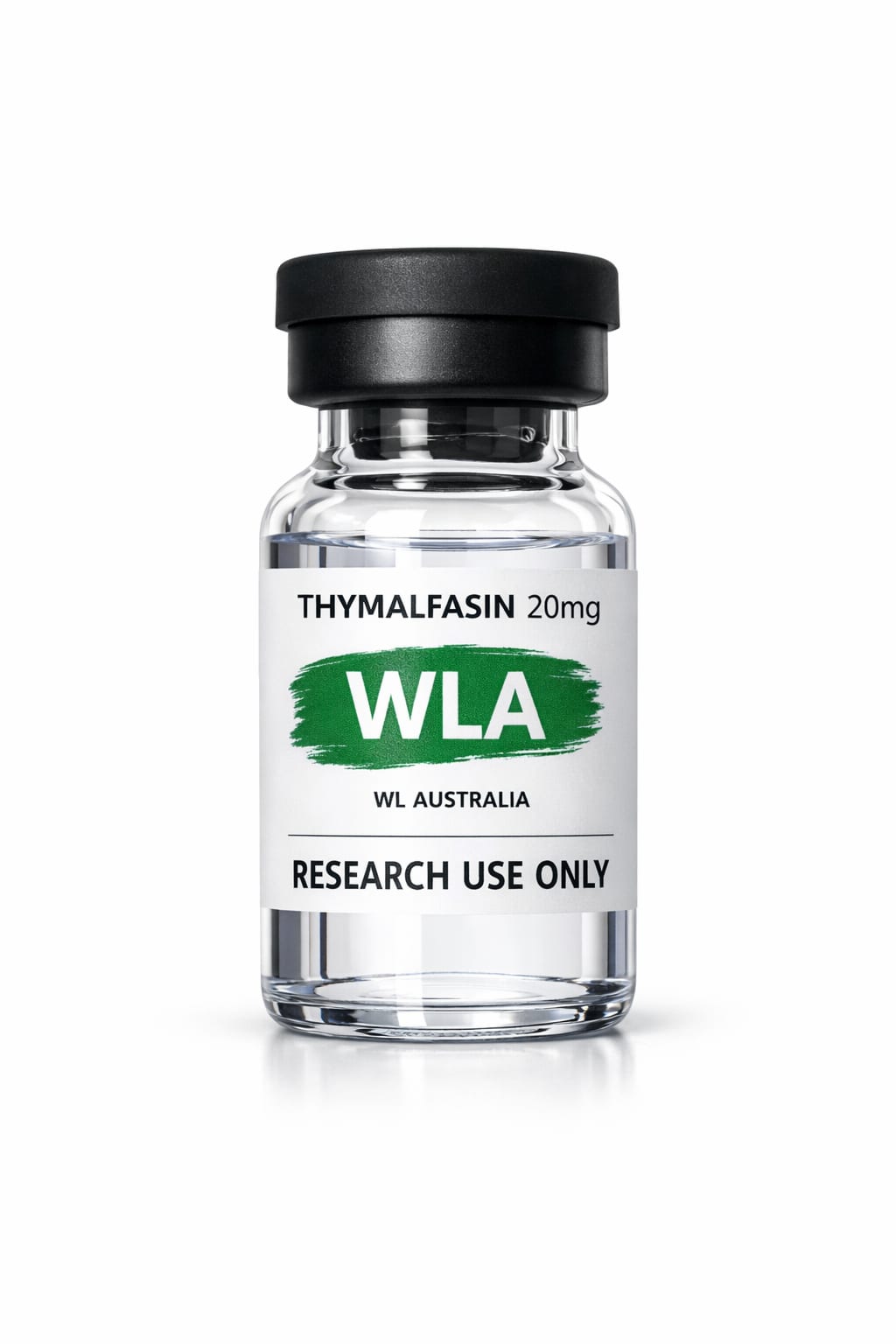
You can review the Thymalfasin 20mg research product page for the listed product information and current availability.
Video placeholder: How Thymalfasin may support immune-cell communication and antiviral research pathways
