
1. The Core Dilemma: Mismatching Your Defense Tools
The Frustration: Many researchers and wellness enthusiasts apply a blunt-force approach to immune support, expecting every peptide to act as a universal shield. When you use an innate antimicrobial peptide for a chronic adaptive imbalance, recovery stalls and results plateau.
The Solution: You must match the specific branch of your immune system to the correct peptide architect. Think of your immune system like a specialized sports team: some players block direct tackles on the front line (innate immunity), while others coach long-term tactical strategies in the back office (adaptive immunity).
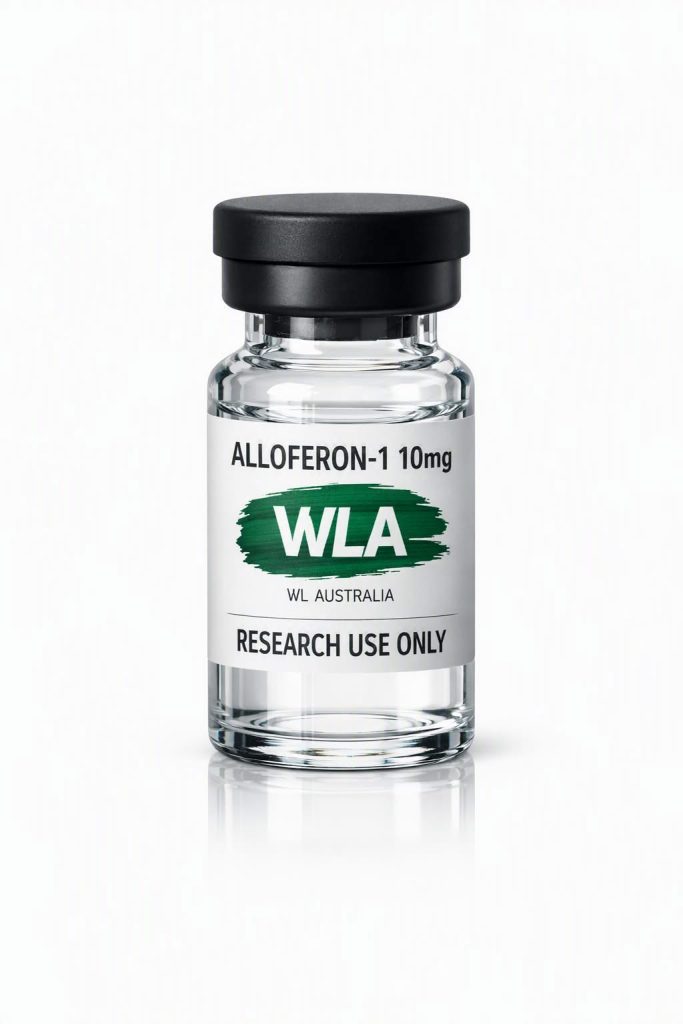
Let us break down the foundational differences between Alloferon-1, Thymosin Alpha 1 (TA1), and LL-37 using a rigorous comparative framework.
Quick Comparison Matrix
| Feature | Thymosin Alpha 1 (TA1) | LL-37 | Alloferon-1 |
|---|---|---|---|
| Origin | Endogenous human thymic peptide | Human cathelicidin (neutrophils/epithelia) | Peptide from blowfly Calliphora vicina |
| Length | 28 amino acids | 37 amino acids | 13 amino acids |
| Primary Arm | Adaptive immunity (T-cells, dendritic cells) | Innate immunity (antimicrobial, barrier defense) | Innate antiviral (NK cells, interferons) |
| Direct Killing | No (acts via immune modulation) | Yes (membrane disruption, anti-biofilm) | Indirect (mediated via host NK/IFN activation) |
| Primary Focus | Immune competence, chronic viral models | Pathogen pressure, wound healing, biofilms | Antiviral models, natural killer cell activation |
2. Thymosin Alpha 1: The Adaptive Master Coach
The Frustration: Dealing with stubborn, lingering immune fatigue or sluggish systemic recovery leaves your cells defenseless against chronic viral burdens. Standard supplements often fail to stimulate the deep developmental pathways required for long-term resilience.
The Solution: Focus on Thymosin Alpha 1, a 28-amino-acid peptide that acts like a master coach for your T-cells. By mimicking endogenous thymic hormones (much like our research-grade Thymopentin 20mg), TA1 orchestrates the maturation of naïve T-lymphocytes in the thymus gland.

- Mechanism of Action: TA1 activates dendritic cells (your immune system’s intelligence gatherers) and upregulates MHC Class I (Major Histocompatibility Complex Class I: surface proteins that display viral antigens to killer cells).
- Clinical Oversight & Safety: With over a hundred human trials and approvals in dozens of countries (often under the trade name Zadaxin), TA1 provides the most robust safety and clinical data of the three peptides.
- Optimization Principle: Use TA1 when your primary objective is long-term adaptive immune restoration, cellular synergy, and systemic defense coordination.
