
The Scientific Classification: A Synthetic Pentadecapeptide
At its core, BPC-157 is a 15-amino-acid peptide derived from a larger protein found naturally in human gastric juice. While it sounds industrial, its function is purely regenerative. In the world of research chemicals, BPC-157 is classified as a “stable gastric pentadecapeptide.”
What makes it so special? Unlike many other peptides that degrade rapidly when exposed to harsh environments, this compound was designed for stability. This allows researchers at Weight Loss Australia (WLA) to explore its systemic effects across multiple physiological pathways without the immediate fear of rapid enzymatic breakdown.
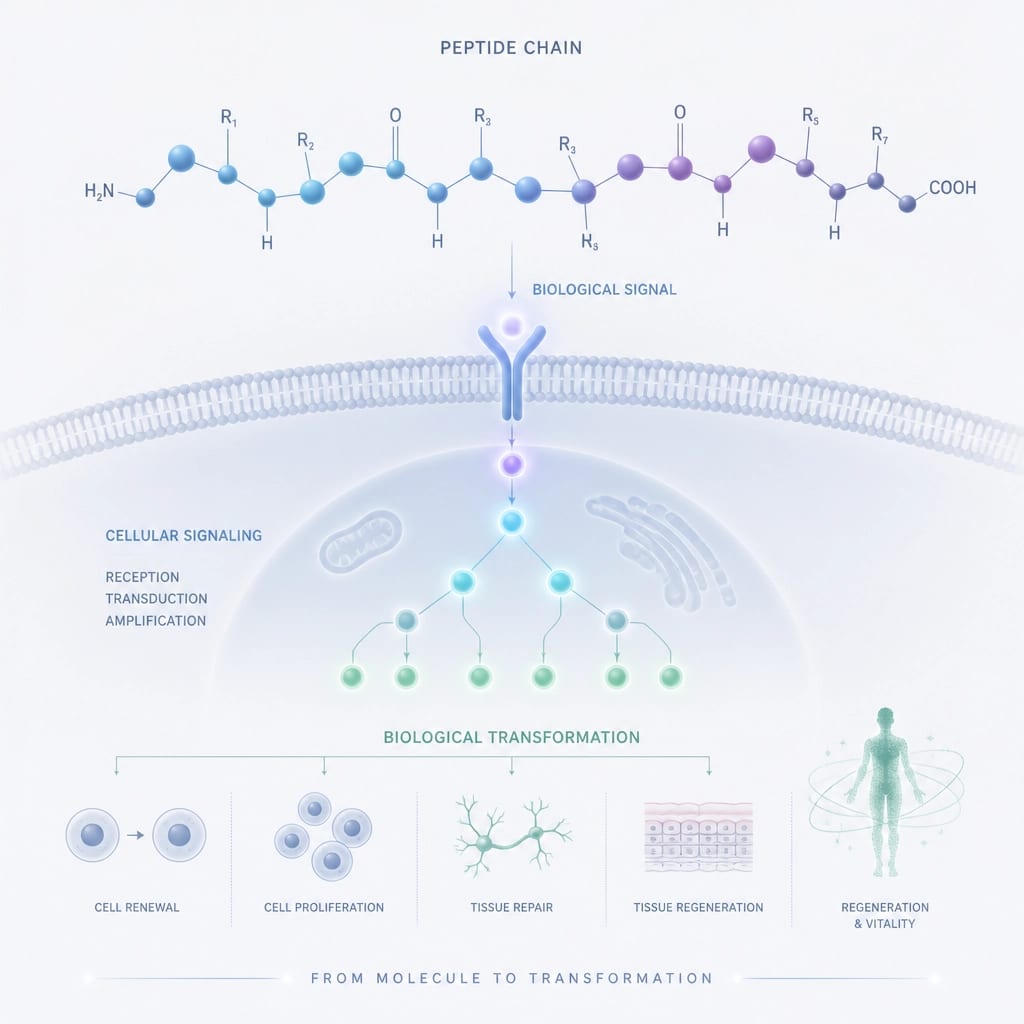
The Mechanism of Action: Angiogenesis and Growth Factor Signaling
How does it work? It’s all about the pathways. BPC-157 operates via several high-tech biological channels:
- Angiogenesis: This is the process of forming new blood vessels. BPC-157 has been shown to up-regulate Vascular Endothelial Growth Factor (VEGF), essentially “re-wiring” the blood supply to injured areas.
- Nitric Oxide (NO) Modulation: It helps balance the NO system, which is critical for vascular health and protecting the mucosal lining.
- Fibroblast Activation: It recruits fibroblasts: the “construction workers” of the body: to the site of injury to begin collagen synthesis.
Revolutionary Tendon and Ligament Repair
One of the most sought-after research applications for BPC-157 10mg is the acceleration of tendon-to-bone healing. For those investigating chronic injuries like Achilles tendon tears or rotator cuff issues, the science is nothing short of transformative.
Standard recovery often leaves behind “scar tissue” that is weaker than the original structure. However, BPC-157 research suggests a “remodeling” effect. By up-regulating Growth Hormone (GH) receptors in tendon fibroblasts, it doesn’t just patch the hole; it facilitates a more robust, functional repair of the extracellular matrix.
Researchers frequently stack this with TB-500 to create a “healing powerhouse” stack. At WLA, we’ve streamlined this with our Dual Mix BPC-157 + TB-500 20mg, providing a clinical-grade solution for advanced research into musculoskeletal regeneration.
