The Science of “Scientific Luxury”: What is Chonluten?
In the world of research compounds, we often deal with blunt instruments: substances that force a reaction. Chonluten (often referred to in technical circles as tripeptide T-34) is different. It’s a precision tool. It is a short, lung-derived peptide bioregulator that speaks the language of your DNA.
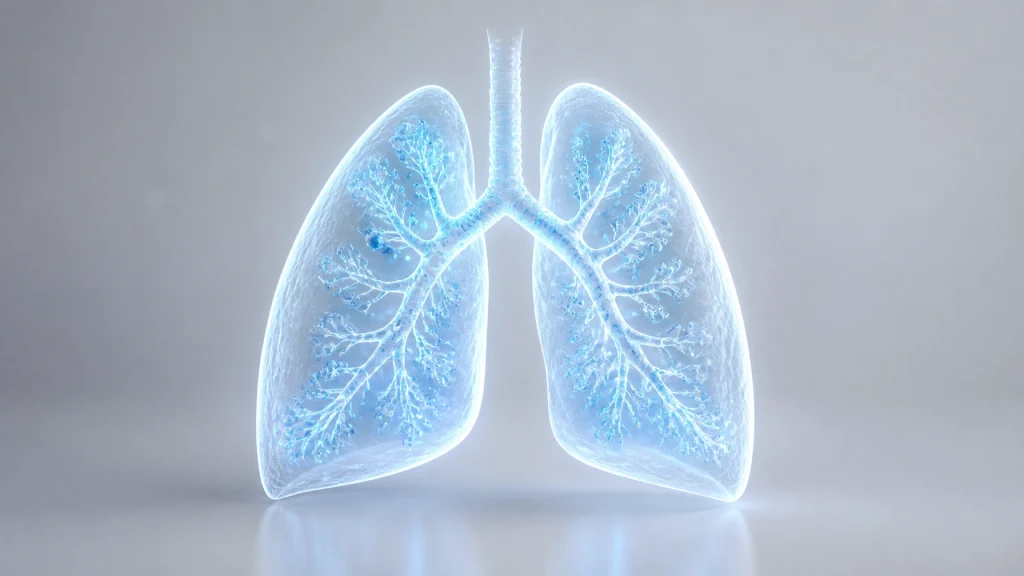
Rather than just “boosting” function, Chonluten acts as a gene-expression modulator. It targets the bronchial mucosa and the lung parenchyma (the actual working tissue where gas exchange happens). Think of it as a specialized instruction manual for your lung cells, guiding them back to their optimal, high-performance state.
Transforming the Engine: Protein Synthesis and Lung Repair
The core “problem-solution” framework for Chonluten is simple: Lung tissue is delicate, and environmental stressors or physical injuries can cause structural degradation that natural healing processes often “patch” with stiff scar tissue (fibrosis).
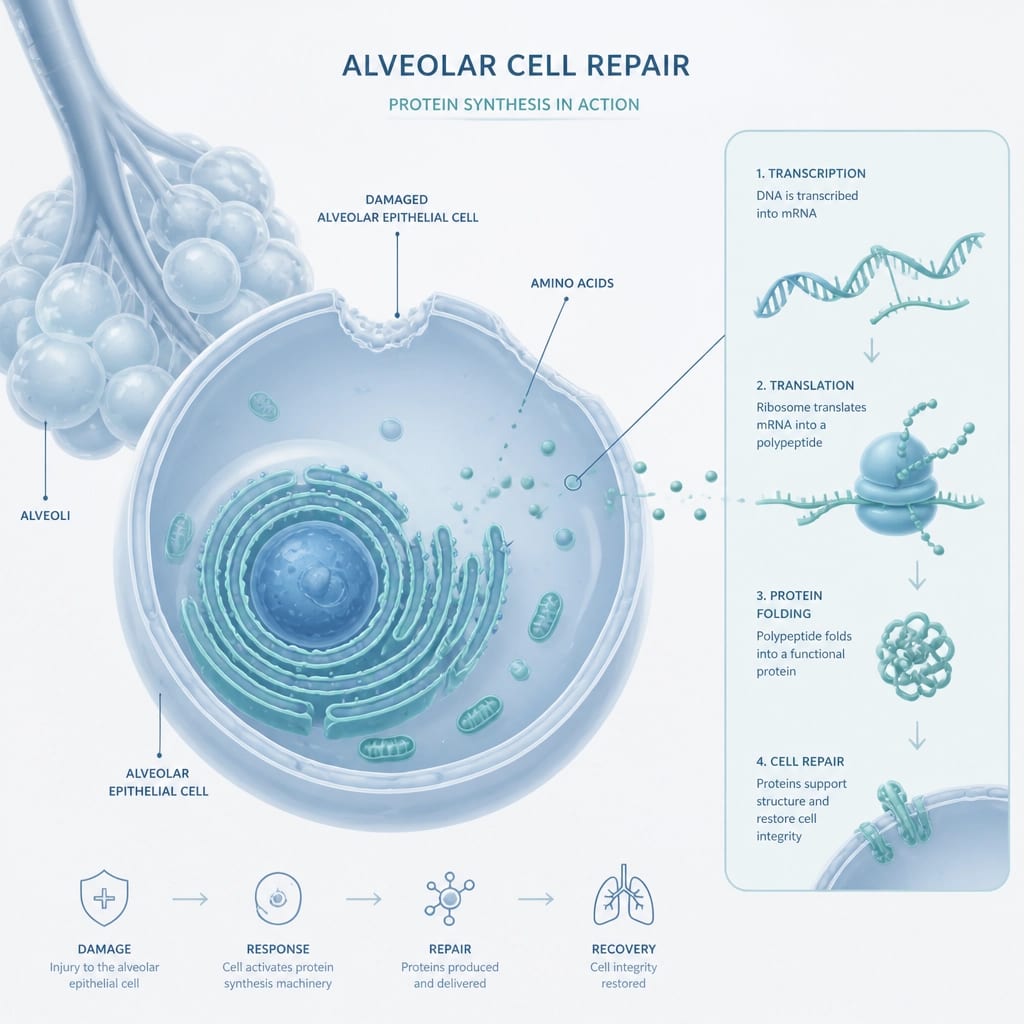
Chonluten combats this by stimulating protein synthesis directly within lung cells. It specifically influences genes like HSP70 (Heat Shock Protein 70) and SOD (Superoxide Dismutase).
- HSP70: Acts as a cellular bodyguard, protecting lung cells from oxidative stress and ensuring proteins are folded correctly for repair.
- SOD: One of the body’s most powerful antioxidant enzymes, neutralizing the free radicals that can “rust” your respiratory tissue from the inside out.
When you enhance protein synthesis, you aren’t just covering up symptoms; you are rebuilding the bronchial lining and the alveoli (air sacs). For those in the recovery phase, this means replacing damaged, inefficient tissue with vibrant, functional cells.