

1. The Biological Bottleneck: Why Neural Tissues Degrade
The Problem: Chronic Overdrive and Cellular Wear-and-Tear
When your central nervous system faces relentless oxidative stress, poor sleep, and environmental toxins: especially under the harsh Australian summer sun and high-paced urban work environments: neurons suffer micro-damage. Think of your brain tissue like a bustling construction site where workers (cells) are overworked and blueprints (DNA) become frayed. Over time, protein synthesis drops, synaptic connections weaken, and mental agility stalls.
The Solution: Targeted Peptide Signaling
To overcome this cellular stagnation, you must introduce precise biochemical signaling that revives cellular machinery. Cerluten delivers synthetic short peptides (cytamins/cytogens derived from neural tissue) that interact directly with DNA promoter regions. Consider these peptides as master keys designed to fit specific locks on your genetic archive, reopening transcription pathways that have gone dormant.
Key Takeaway: Optimization begins at the genetic level. By restoring protein synthesis in neural cells, Cerluten reverses the bottleneck of cognitive fatigue.
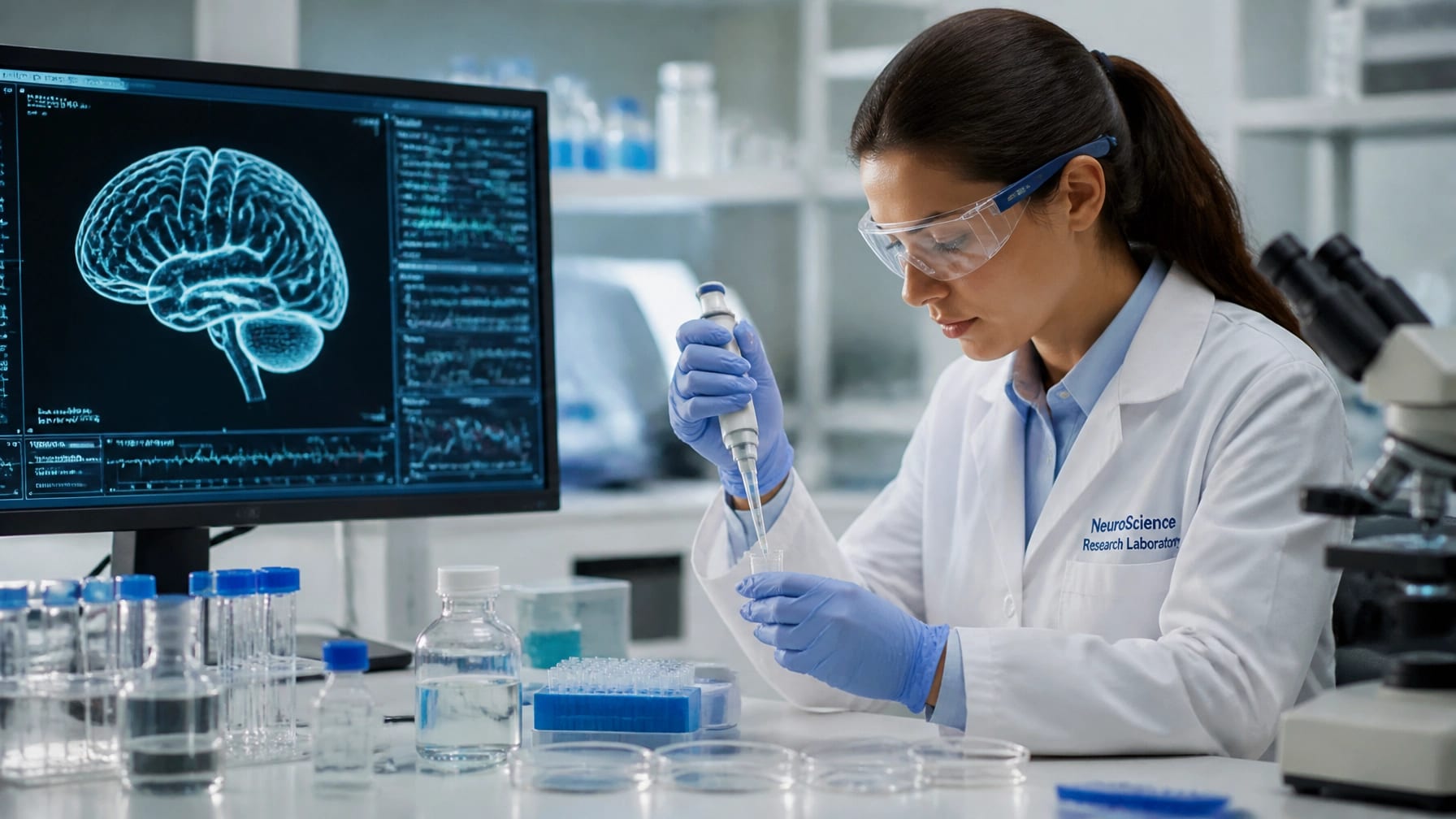
2. Understanding Khavinson Bioregulators: The Cellular Engine
The Problem: Complex Science Without a Roadmap
Navigating advanced peptide therapies can feel like trying to repair a high-performance car engine without a manual. Many individuals experience hesitation due to unfamiliar jargon and a lack of clear biological context.
The Solution: Demystifying Peptide Bioregulators
Professor Vladimir Khavinson’s pioneering work demonstrated that short amino acid chains can penetrate cell membranes, target specific organs, and modulate gene expression.
- Peptide Sequencing: Short chains of 2 to 4 amino acids that match natural bodily sequences.
- Epigenetic Regulation: The process of turning beneficial genes “on” without altering the underlying DNA sequence.
- Protein Synthesis: The cellular assembly line responsible for repairing damaged neurons and neurotransmitter receptors.
Think of these peptides as specialized mechanics entering a high-performance car engine, replacing worn gaskets and tuning the timing belt so the entire system runs smoothly again.
[Video Placeholder: Understanding Khavinson Peptide Bioregulators and Epigenetic Control]
