

What Exactly is DNSP-11?
In the world of clinical research, DNSP-11 (Dopamine Neuron Stimulating Peptide-11) is classified as an 11-amino-acid synthetic peptide. It is derived from the “prosequence” of a much larger and more complex protein known as GDNF (Glial Cell-Derived Neurotrophic Factor).
Think of GDNF as the “Master Shield” for your brain’s dopamine-producing neurons. While GDNF is incredibly powerful, its size and complexity make it difficult to administer and study effectively in various research models. DNSP-11 was designed to capture the neurotrophic and neuroprotective essence of its parent protein but in a smaller, more agile molecular structure.
The Scientific Profile:
- Amino Acid Sequence: PPEAPAEDRSL-NH₂
- Classification: GDNF-derived neurotrophic peptide.
- Primary Target: Dopaminergic neurons in the substantia nigra and striatum.
- Physical Form: Lyophilized powder (available in 10mg vials).
By isolating this specific 11-amino-acid chain, researchers have found a way to bypass some of the hurdles associated with large-scale proteins, allowing for more targeted study into how we can Combat age-related neural decline.
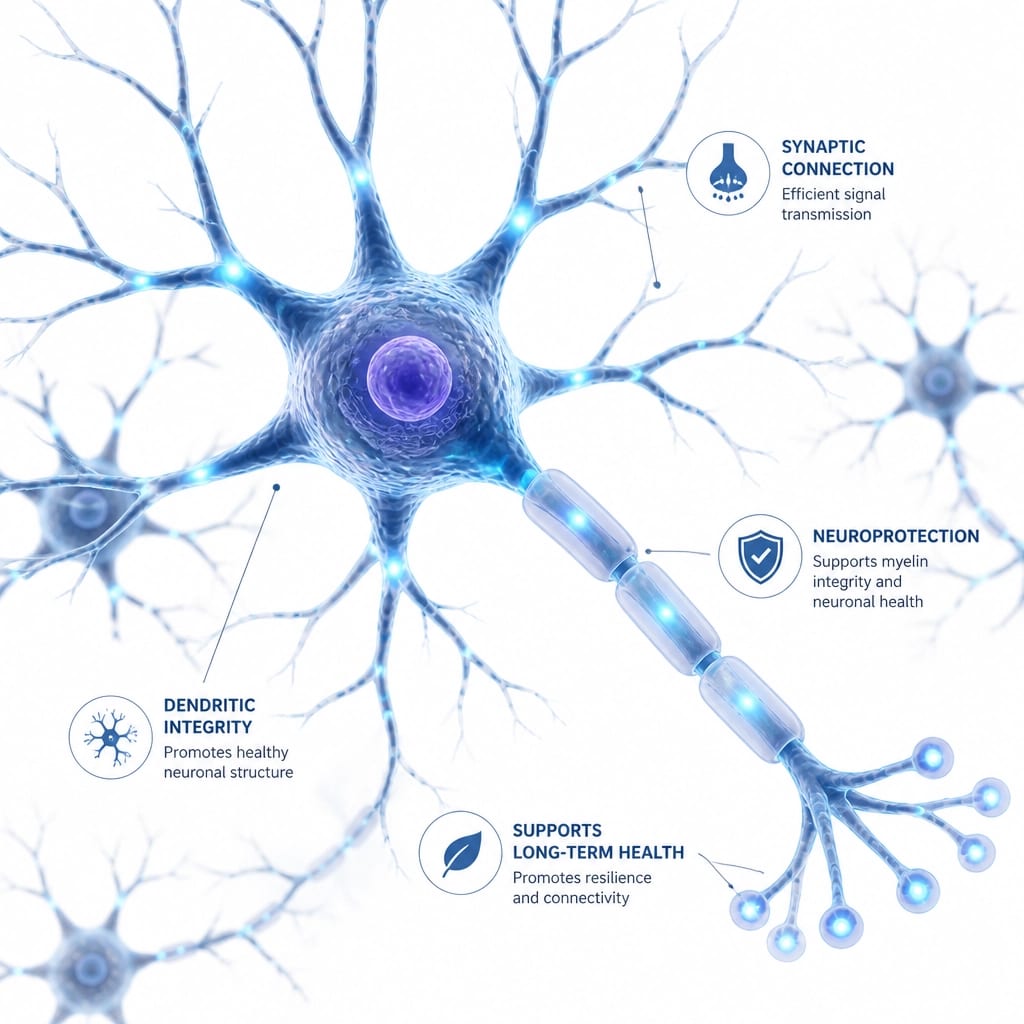
Mechanism of Action: The Dopaminergic Shield
DNSP-11 isn’t just another cognitive enhancer; it is a high-tech solution designed to address a specific biological need: the preservation of dopamine neurons. To understand how it works, we have to look at the “mitochondrial pathways” and “signaling cascades” it influences.
1. ERK1/2 Phosphorylation
One of the most exciting aspects of DNSP-11 research is its ability to activate ERK1/2 phosphorylation. In the dense medical jargon of neurobiology, ERK1/2 is a pathway responsible for cell survival, differentiation, and plasticity. By activating this pathway, DNSP-11 signals the neurons to “stay alive” and “grow stronger,” even when under stress.
2. Mitochondrial Protection
Your neurons are energy-hungry cells. Their powerhouses, the mitochondria, are often the first things to fail during neurodegenerative stress. Research suggests that DNSP-11 helps Prevent cytochrome c release from the mitochondria. This is a critical step because when cytochrome c leaks out, it triggers the “cell suicide” (apoptosis) program. By keeping the mitochondria stable, DNSP-11 acts as a microscopic guardian for your brain cells.
3. Non-GFRα1 Signaling
Unlike its parent protein (GDNF), which requires a specific receptor called GFRα1 to work, DNSP-11 appears to operate through a different, potentially more efficient mechanism. This means it may be able to Unlock neuroprotective benefits in areas of the brain where traditional GDNF therapy might struggle to gain a foothold.
