
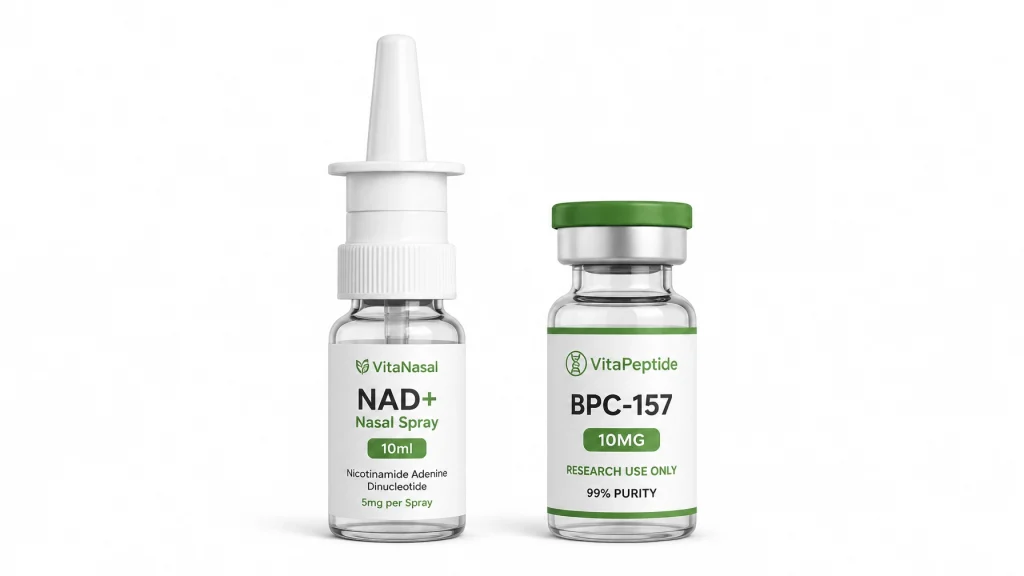
The Problem: The Slow Decay of the “Dopamine Engine”
Many people over 30 begin to notice a subtle decline in mental “drive.” This isn’t just about being tired; it’s often a biological bottleneck. Your dopaminergic neurons (the cells that produce dopamine) are sensitive. Toxins, stress, and oxidative damage can cause these cells to trigger apoptosis: a scientific term for programmed cell death.
When these neurons die, they don’t just “grow back” on their own. This leads to reduced focus, lower motivation, and in extreme cases, the motor dysfunction seen in conditions like Parkinson’s disease.
The Solution: Instead of just dumping more fuel (caffeine or stimulants) into a broken engine, you need to repair the engine itself. This is where neurotrophic factors come in.
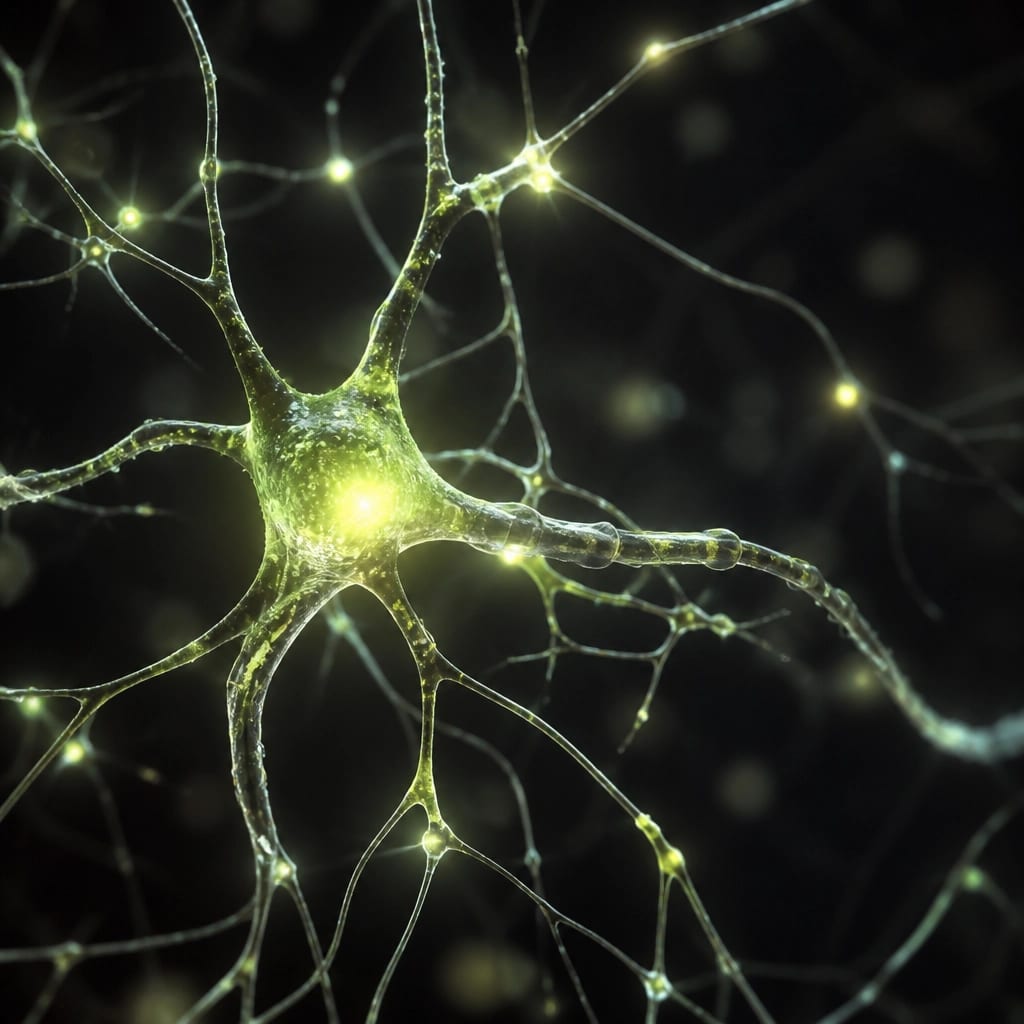
What is DNSP-11? (The Master Key to Repair)
While full-length GDNF is a massive protein: too large to easily enter the brain: DNSP-11 is its lean, efficient cousin. Think of GDNF as a massive construction crane that can’t fit through the city gates. DNSP-11 is the 11-amino-acid “master key” that carries the same blueprints but is small enough to slip through the side door.
Technically, DNSP-11 is a synthetic peptide derived from the proregion of GDNF. Its primary job is to support the survival and function of your Substantia Nigra: the part of your midbrain that functions as the primary dopamine factory.
Consider this: In preclinical research, a single application of this peptide into the brain was shown to increase dopamine levels and its metabolites (like DOPAC) for up to 28 days. That is a remarkably long-lasting “tune-up” for your biology.
