
The gut is more than a digestive tube
The problem: treating the gut as one single organ
Your gastrointestinal tract is more like a coordinated production line than a simple pipe. The stomach, small intestine, and large intestine have different jobs, different cell types, and different chemical environments.
The stomach acts like a mixing chamber. It uses acid and enzymes to begin digestion.
The small intestine is the main loading dock. It breaks down food further and transfers nutrients into the bloodstream.
The large intestine works more like a recycling centre. It absorbs water and hosts a large portion of the gut microbiome: the community of microorganisms living in your digestive system.
The solution: match the concept to the biological target
Organ-specific bioregulators are marketed on the idea that short peptides may interact with particular tissues. BPC-157 is different: it is a synthetic 15-amino-acid peptide studied in several tissue-repair models.
That distinction matters. A stomach-focused bioregulator should not automatically be described as a whole-gut solution, while promising animal research should not be mistaken for proven human treatment.
Short summary: Know the target before you judge the tool.
What is Enterogen?
The problem: the product name can suggest more certainty than the evidence allows
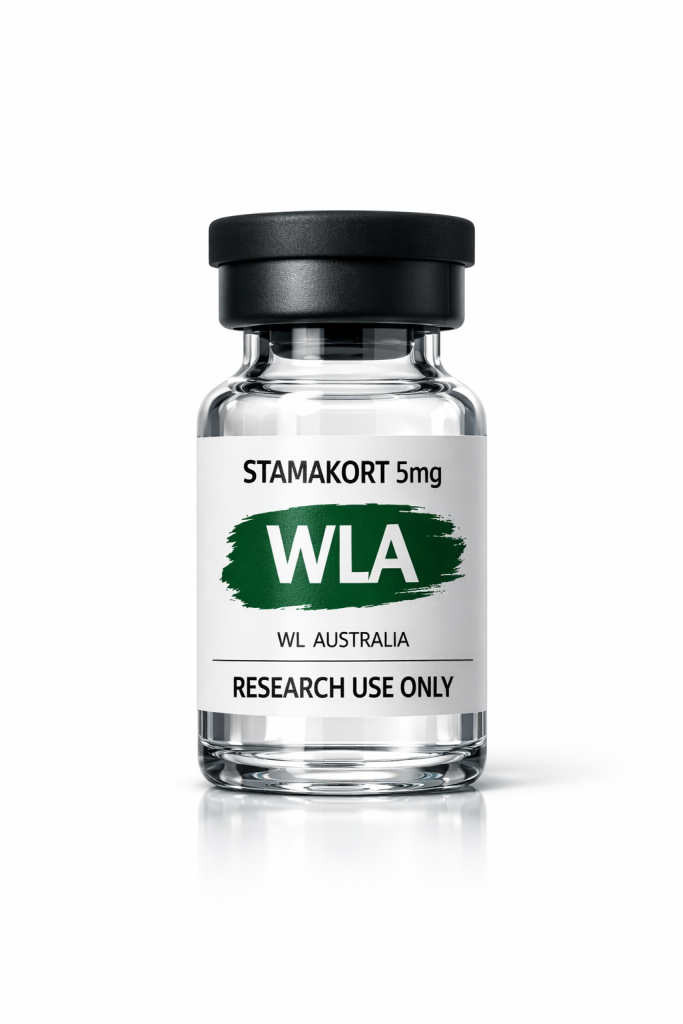
Enterogen is generally presented within the Khavinson-style bioregulator category as an intestinal-focused peptide complex. The name is commonly associated with the intestine, while Stamakort is associated more specifically with the stomach and upper digestive tract.
However, a dedicated Enterogen product page was not available in the current indexed WL Australia catalogue. That means you should verify the current packaging, ingredients, source material, strength, and regulatory wording before making assumptions about the product.
The solution: treat Enterogen as a category, not a confirmed clinical therapy
The bioregulator concept is similar to giving a construction crew a site-specific instruction. The theory is that small peptides derived from or associated with a tissue may help regulate cellular activity in that tissue.
That is a biological hypothesis: not the same as a demonstrated treatment for irritable bowel syndrome, inflammatory bowel disease, ulcerative colitis, or intestinal permeability.
When evaluating Enterogen, focus on:
- Verified composition: What peptides are actually included?
- Source material: Is the product animal-derived, synthetic, or a mixture?
- Quality controls: Is there independent testing for identity, purity, and contamination?
- Regulatory status: Is it legally classified as a medicine, supplement, or research chemical in Australia?
- Evidence: Are there properly controlled human studies on the exact product?
You can browse the current WL Australia shop for the latest listing information.
Short summary: Enterogen may be intestine-oriented, but confirm the exact product before drawing conclusions.

