The Problem: Biological Stagnation
As we age, our brain’s ability to form new connections: a process called synaptic plasticity: naturally declines. Think of your neural pathways like a busy highway system. When the roads (synapses) are well-maintained and new exits (neurogenesis) are regularly built, traffic (information) flows perfectly. When the construction stops, the system becomes sluggish. You experience this as “brain fog,” slow learning, or poor memory retention.
The Solution: NCAM and the “Zipper” Metaphor
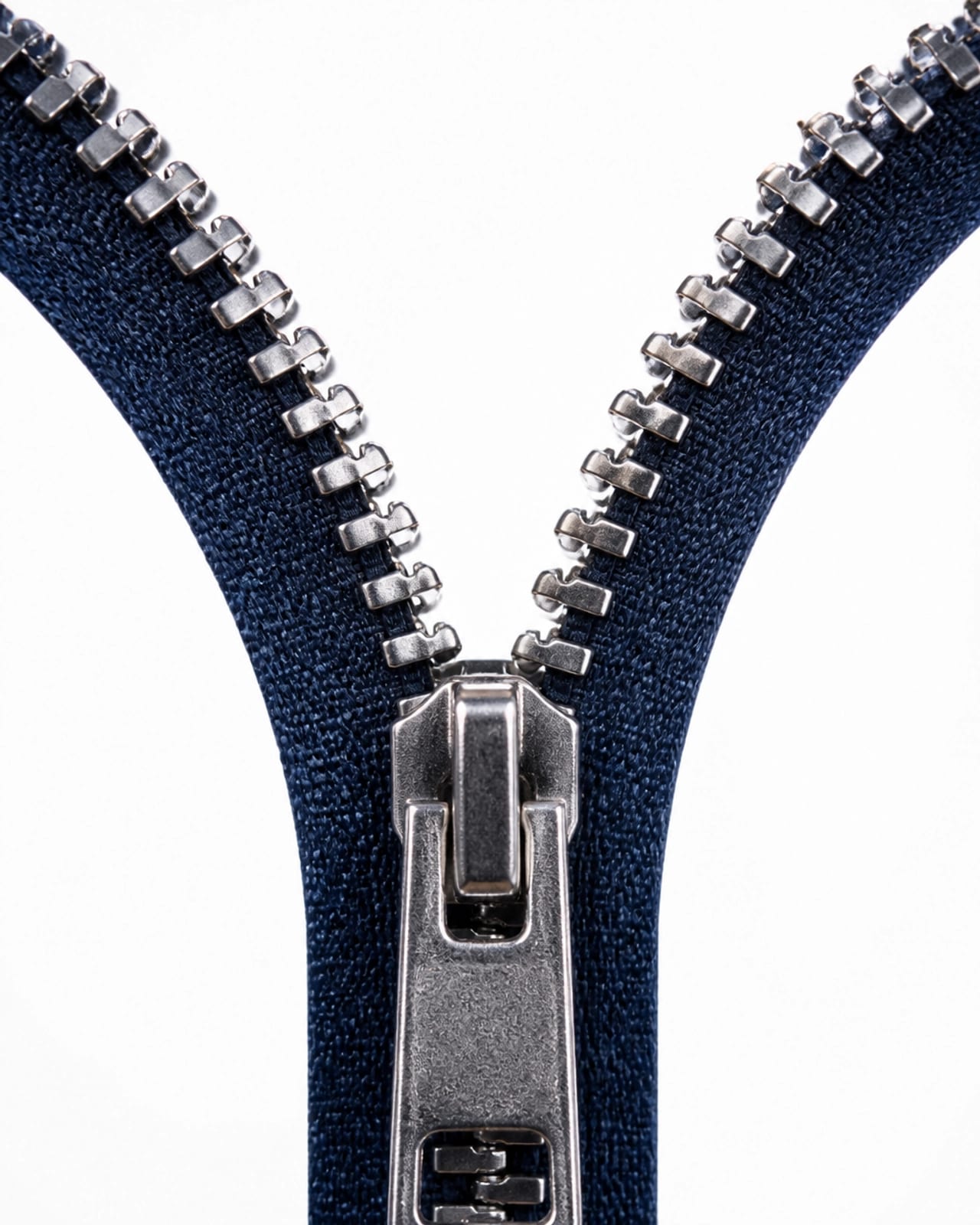
To understand how FGL works, you must first understand NCAM (Neural Cell Adhesion Molecule). NCAM is a protein on the surface of your neurons that acts like a biological zipper.
Imagine two neurons trying to communicate. For them to stay close enough to pass signals effectively, they need to “zip” together. NCAM facilitates this bond. However, simply being zipped isn’t enough for growth; the zipper needs to send a signal to the cell’s interior to start building more infrastructure.
FGL Peptide is a synthetic fragment of this zipper. When introduced, it doesn’t just hold neurons together; it triggers a specialized growth engine called FGFR1.