The Problem: The “Double-Edged Sword” of Thyroid Hormones
To understand why GC-1 is a breakthrough, we first need to look at how your body processes thyroid hormones. Your body has two primary types of “switches” (receptors) for thyroid hormones:
- TRα (Thyroid Hormone Receptor Alpha): Primarily found in the heart, skeletal muscle, and bone. Activating this switch increases heart rate (tachycardia) and can cause muscle wasting if over-stimulated.
- TRβ (Thyroid Hormone Receptor Beta): Heavily concentrated in the liver and brain. This switch is responsible for lowering cholesterol, boosting metabolic rate, and burning fat.
Traditional thyroid hormones, like T3 (Liothyronine), are “non-selective.” They hit both switches simultaneously. While they are incredibly effective at burning fat, they often come with the cost of heart palpitations, anxiety, and potential bone density loss. It’s like trying to turn on a single light in your kitchen but having to flip the main breaker for the entire house: you get what you want, but you’re wasting energy and wearing out the system elsewhere.
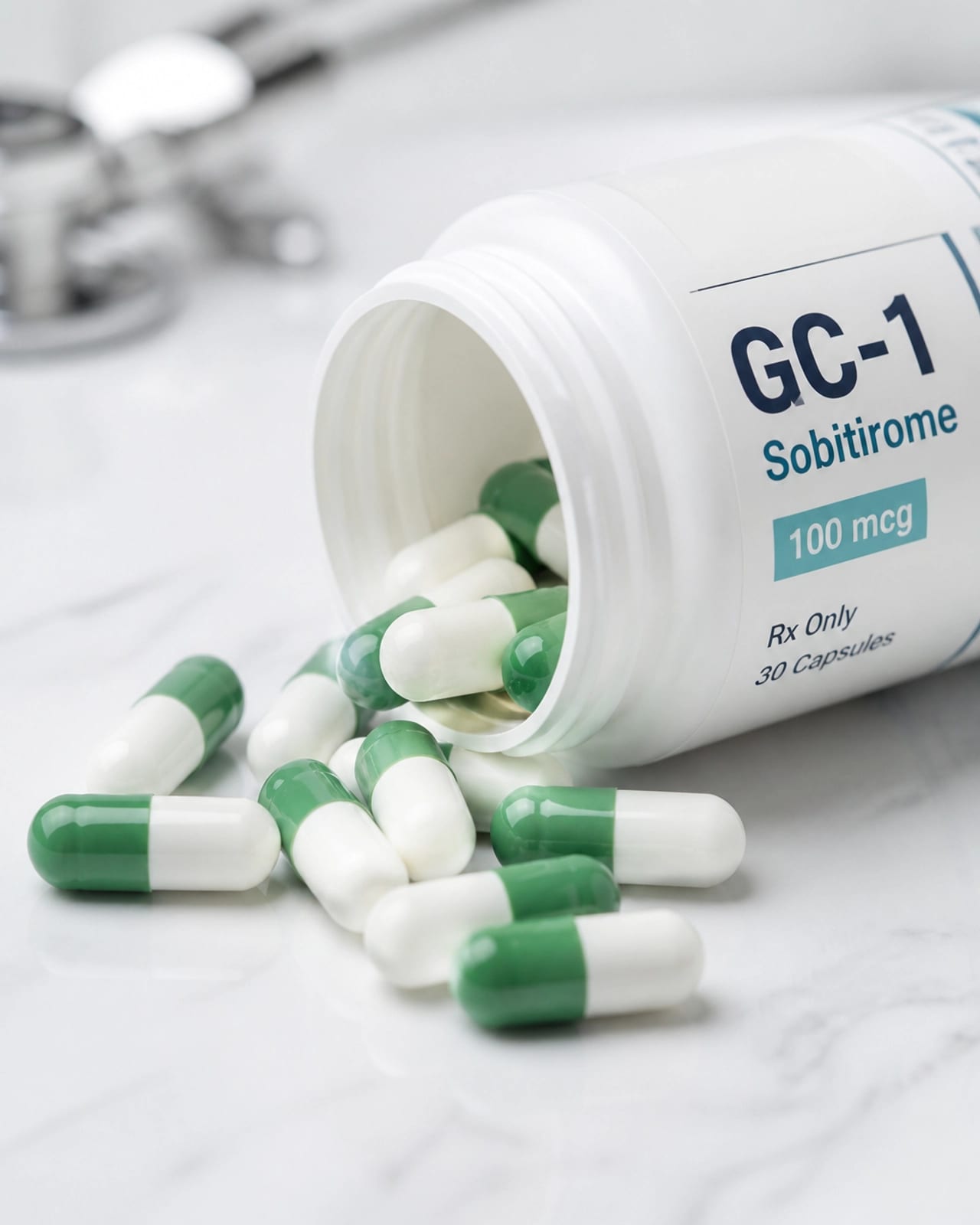
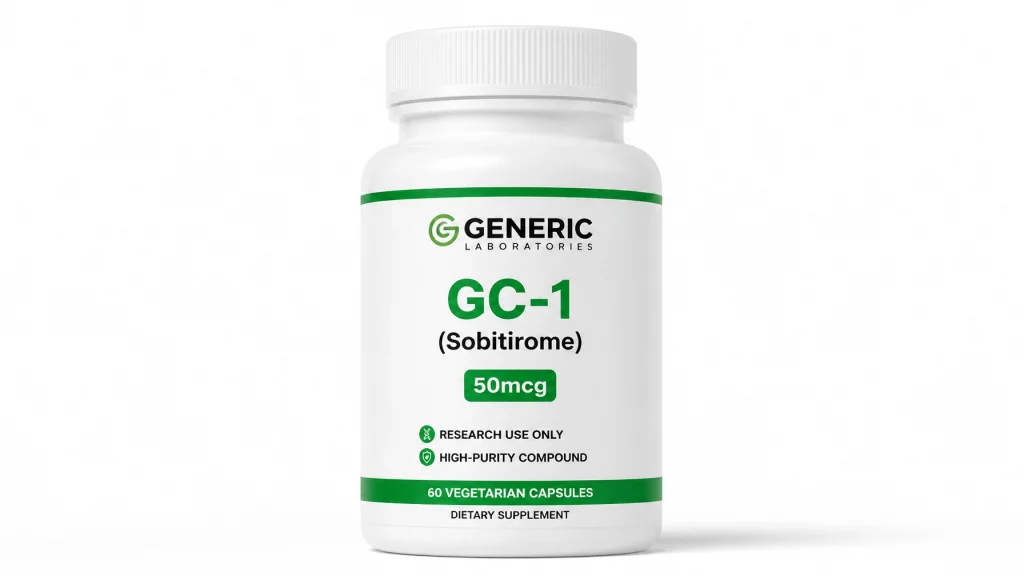
The Solution: GC-1 (Sobitirome) – The Precision Bypass
GC-1, also known as Sobitirome, is a synthetic thyroid hormone analog that acts as a “bypass” for your heart. It is a selective TRβ agonist, meaning it has a much higher affinity for the “metabolism switch” than the “heart stress switch.”
In clinical research, GC-1 has shown approximately 10x to 18x selectivity for TRβ over TRα. Consider this the difference between a master key that opens every door in a building versus a specific key that only opens the gym and the furnace room. By focusing on the liver and metabolic tissues, GC-1 allows for a significant increase in calorie burning without the cardiac side effects typically associated with hyperthyroidism.