The Science of Potency: What is Humanin G?
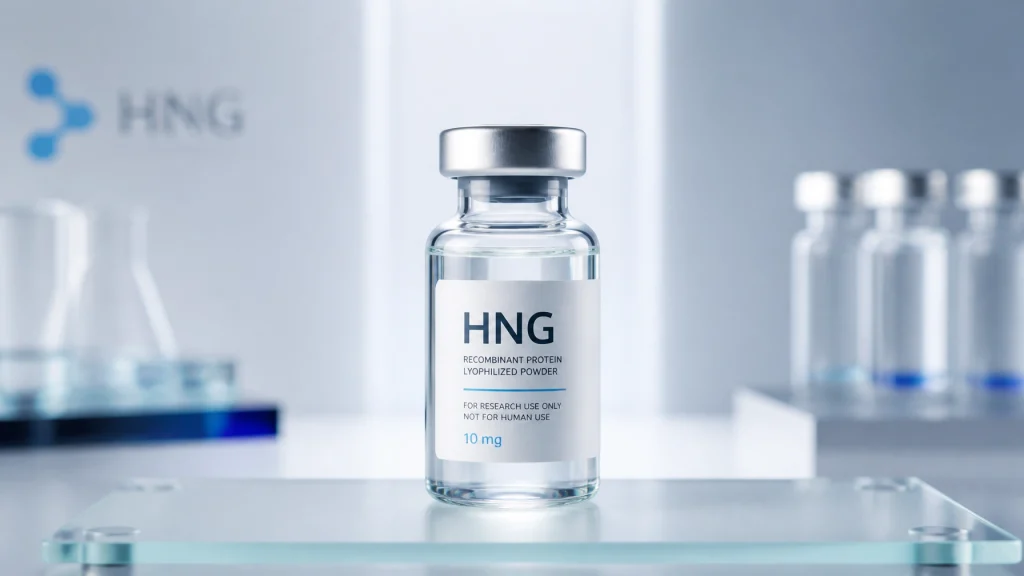
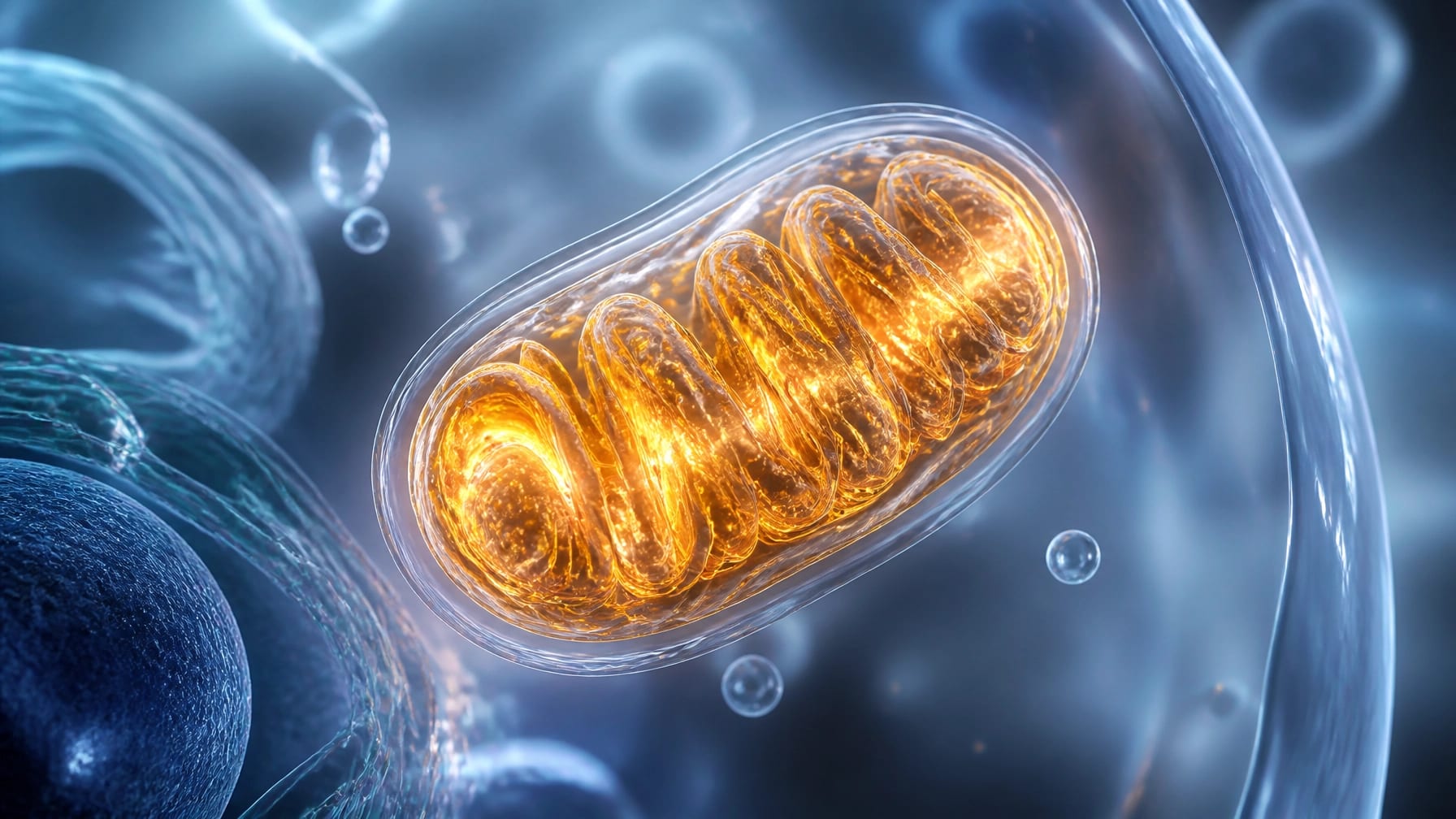
At its core, Humanin G is a synthetic analog of Humanin, a 24-amino-acid peptide encoded within the mitochondrial genome. While mitochondria are famous for being the “powerhouse of the cell,” they also act as a sophisticated signaling hub. They release MDPs like Humanin to tell the rest of the body how to handle stress and stay alive.
The “G” in HNG stands for Glycine. In this specific analog, the Serine at position 14 is replaced with Glycine (S14G). This might seem like a small change, but in the world of biochemistry, it’s a total transformation.
Technical Classification:
- Molecular Type: Mitochondrial-Derived Peptide (MDP)
- Sequence: MAPRGFSCLLLLTGEIDLPVKRRA
- Key Modification: S14G (Serine to Glycine substitution at residue 14)
- Primary Function: Cytoprotection, anti-apoptotic signaling, and metabolic regulation.
This modification enhances the peptide’s interaction with the heterotrimeric receptor complex (gp130/WSX-1/CNTFR), allowing it to trigger cellular survival pathways with significantly higher efficiency. It’s essentially a “turbocharged” signal for cellular resilience.
Shielding the Brain: Neuroprotection in Alzheimer’s Research
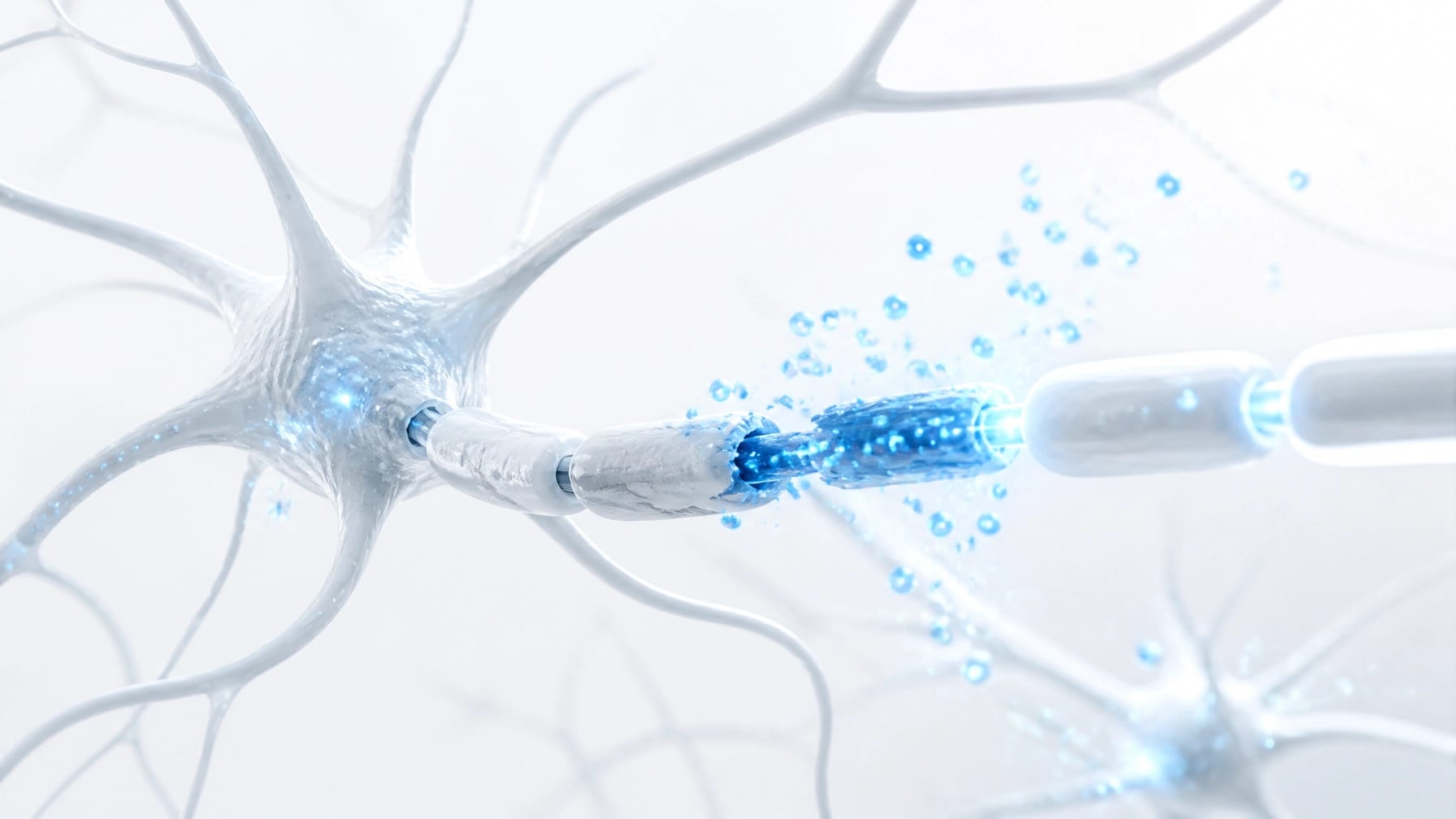
One of the most exciting research applications for HNG is in the field of neurodegeneration. In models of Alzheimer’s Disease, HNG has demonstrated a remarkable ability to act as a neuroprotective shield.
The biological need is clear: as we age, neurons become increasingly vulnerable to toxic proteins like Amyloid-beta (Aβ). This leads to neuroinflammation and, eventually, cell death. HNG presents a high-tech solution by intervening in the apoptotic (cell death) pathway.
How HNG Revolutionizes Brain Research:
- Amyloid-Beta Neutralization: Research suggests HNG can inhibit the toxicity of Aβ plaques, preventing the programmed cell death of neurons.
- Bax Inhibition: It blocks the activation of Bax, a protein that triggers the “self-destruct” sequence in cells.
- Mitochondrial Stability: By maintaining the mitochondrial membrane potential, HNG ensures that neurons have the energy they need to repair and function, even under stress.
In preclinical rodent models, chronic administration of HNG has been shown to improve spatial learning and memory while significantly reducing neuroinflammatory markers. For those researching cognitive longevity, stacking HNG with P21 (10mg) can provide a comprehensive approach to neuronal health and synaptic plasticity.