
The Blueprint of Defense: What is Thymosin Alpha-1?
Thymosin Alpha-1 is a naturally occurring peptide fragment derived from the thymus gland. Think of the thymus as the “training camp” for your immune system. It’s where your white blood cells go to learn how to distinguish between “self” (your body) and “invader” (viruses, bacteria, and mutated cells).
As we age, the thymus undergoes involution, essentially, it shrinks and becomes less efficient. This is where research into TA1 becomes revolutionary. By reintroducing this signaling peptide, researchers aim to Transform a sluggish immune response into a precision-guided strike force.
The Mechanism: More Than Just a “Booster”
We often hear the term “immune booster,” but in scientific circles, TA1 is classified as an immunomodulator. This distinction is critical.
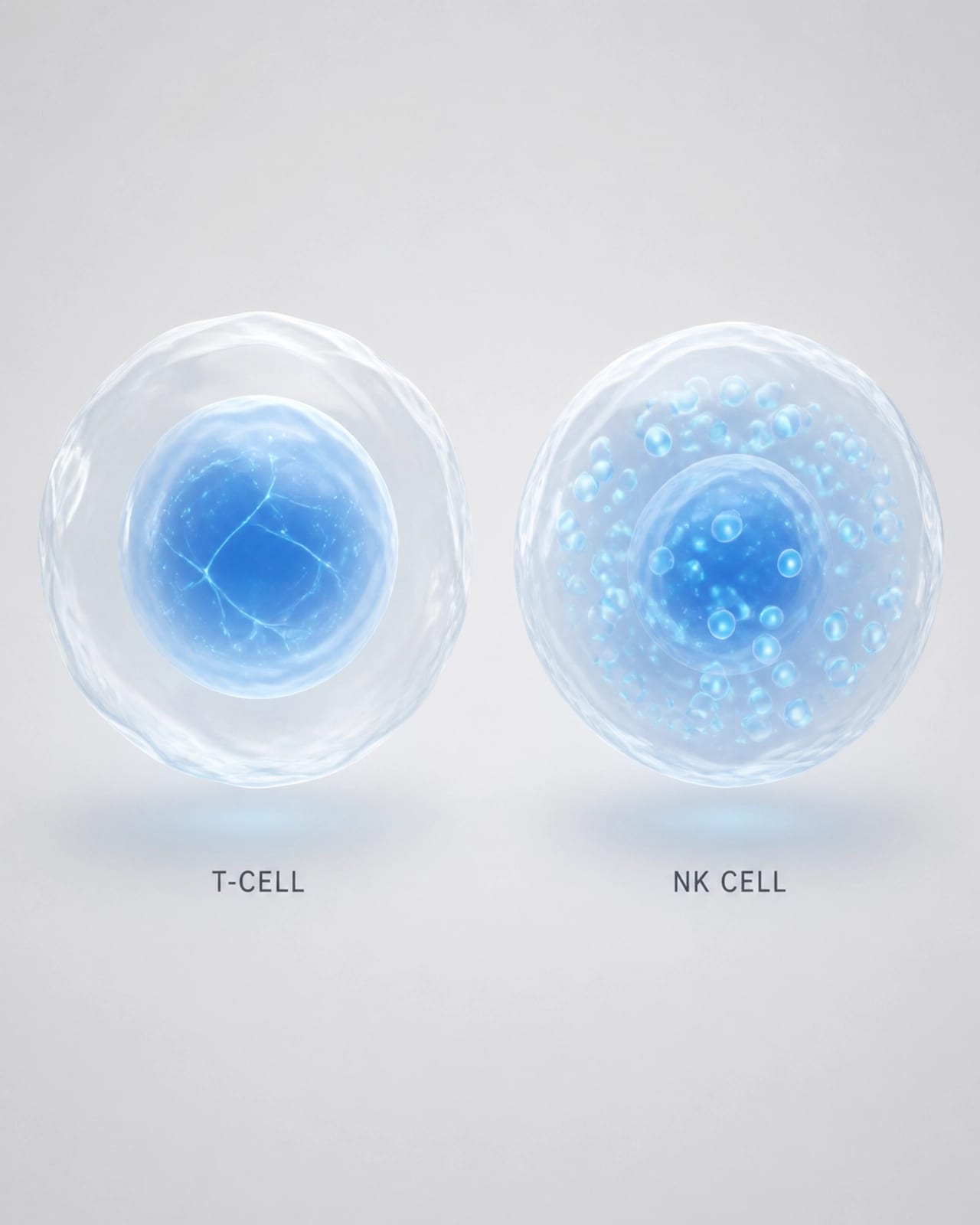
- T-Cell Maturation: TA1 promotes the differentiation of T-lymphocyte progenitors into functional CD4+ and CD8+ T cells. It essentially refills the pool of immune-competent cells.
- NK Cell Activation: It directly enhances Natural Killer (NK) cell activity, which is the body’s first line of defense against virally infected cells and tumors.
- Cytokine Balancing: Perhaps most impressively, TA1 helps balance the Th1/Th2 cytokine profile. It can ramp up a weak response to clear an infection while simultaneously increasing “Tregs” (regulatory T cells) to prevent the “cytokine storms” or runaway inflammation that characterize autoimmune issues.
Combatting the “Fatigue Wall”: TA1 and Chronic Fatigue Research
One of the most exciting frontiers for TA1 research is its application in Chronic Fatigue Syndrome (CFS) and post-viral recovery.
Many researchers believe that persistent fatigue isn’t just “in the head”, it’s often the result of “immune exhaustion” or low-grade, lingering viral debris that the body hasn’t fully cleared. When your immune system is stuck in a state of chronic, low-level activation, it drains your metabolic energy.
By utilizing a TA1 protocol, researchers have observed a Revolutionize-d recovery phase. The peptide helps the body “finish the job” on lingering pathogens, allowing the metabolic system to redirect energy from fighting ghosts to fueling your daily life.
