
The Mechanism: How Ipamorelin Works
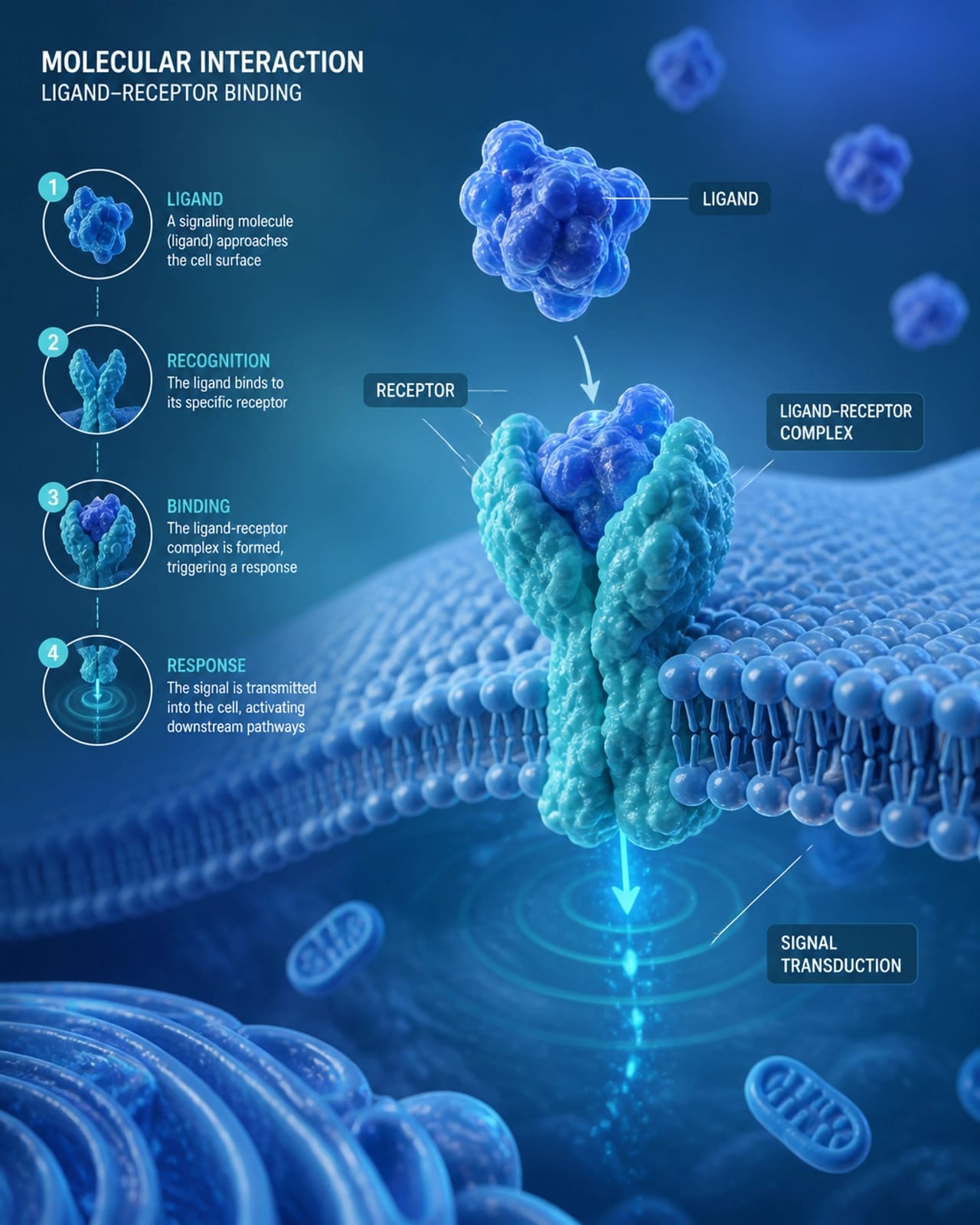
Ipamorelin is a synthetic pentapeptide (Aib-His-D-2-Nal-D-Phe-Lys-NH2) that acts as a potent and selective agonist of the Ghrelin/GHSR-1a receptor. This is where the magic happens. By mimicking the action of the endogenous hormone ghrelin, Ipamorelin binds to specific receptors in the anterior pituitary gland.
Once bound, it triggers a “pulsatile” release of Growth Hormone (GH). Unlike exogenous growth hormones that can shut down your natural production, Ipamorelin works with the body’s existing feedback loops. It encourages the pituitary to secrete its own GH in a way that mimics the natural rhythms of a youthful metabolism.
Triple Agonist vs. Selective Stimulation
While we often talk about “triple agonists” like Ret and Tirz for metabolic function on our Retatrutide page, Ipamorelin is a specialist. It focuses almost exclusively on the GH axis.
The technical brilliance of this compound lies in its selectivity. Research indicates that Ipamorelin is the first GHS that is truly selective for GH release. Most other GHRPs (Growth Hormone Releasing Peptides), such as GHRP-2 or GHRP-6, have a “spillover” effect. They stimulate other pituitary hormones, which can lead to complications we’d rather avoid in a controlled research setting.
The “Clean” Advantage: No Cortisol or Prolactin
One of the biggest hurdles in GHS research has historically been the activation of the hypothalamus-pituitary-adrenal (HPA) axis. When you use older-generation research peptides, you often see a significant rise in:
- Cortisol: The stress hormone that can lead to muscle wasting and fat storage.
- Prolactin: A hormone that, in high levels, can interfere with mood and hormonal balance.
Weight Loss Australia recognizes that high-tier research requires high-tier purity. Ipamorelin is renowned for having virtually zero impact on cortisol or prolactin levels. It allows the researcher to isolate the effects of elevated Growth Hormone and IGF-1 without the “noise” of other endocrine disruptions. This makes it an ideal candidate for long-term studies on body composition and tissue repair.
