The Problem: Why Your Fat Isn’t Burning
Consider your body’s fat stores as a massive warehouse full of fuel. To use that fuel, it needs to be transported to a furnace where it can be burned. In your cells, those furnaces are called mitochondria.
The problem many people face: especially as we age between 20 and 60: is that the “delivery trucks” responsible for moving fat into those furnaces aren’t working fast enough, or there simply aren’t enough of them. If the fat can’t get inside the mitochondria, it doesn’t matter how much you exercise; the fuel stays in the warehouse, and you continue to feel sluggish.
L-Carnitine is that delivery truck. Scientifically known as a quaternary ammonium compound, it is essential for Beta-oxidation: the process where fatty acids are broken down to produce energy.
How L-Carnitine 1200mg Optimizes Your Internal “Engine”
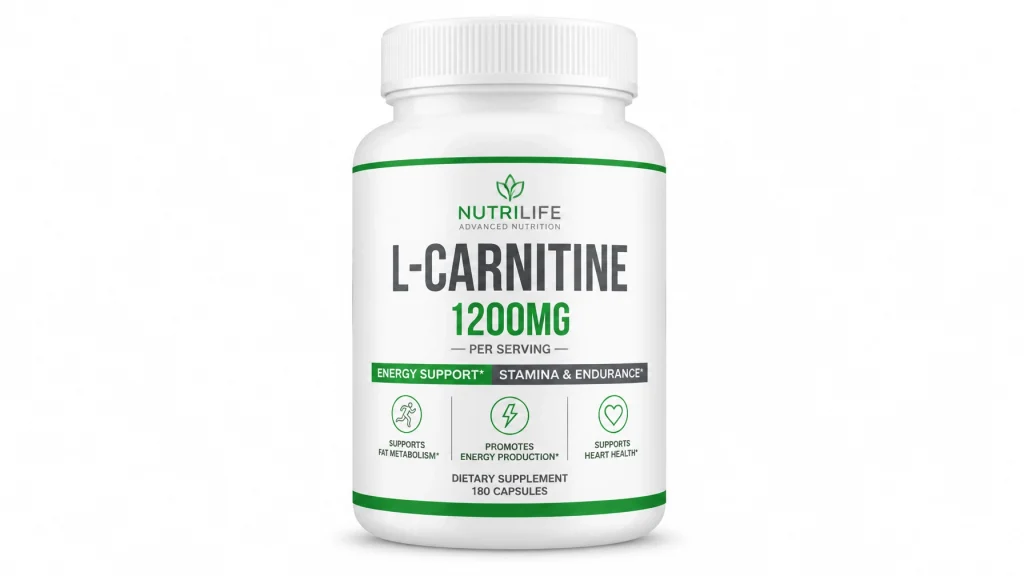
Think of your metabolism like a high-performance car engine. You have the fuel (fat), but if the fuel injectors are clogged or slow, the car won’t move. L-Carnitine 1200mg acts like a precision fuel injection system.
1. The Mitochondrial Shuttle
The primary role of L-Carnitine is to transport long-chain fatty acids across the mitochondrial membrane. Once inside, these fats are converted into Adenosine Triphosphate (ATP). ATP is the universal “energy currency” of your body.
Without sufficient Carnitine, your body may struggle to use fat for fuel, instead relying too heavily on glucose (sugar). This often leads to the “sugar crash” feeling many Australians experience after a long day of work or a heavy training session.
2. Clearing the Exhaust
Every engine produces waste. During intense exercise or heavy metabolic activity, your cells produce metabolic by-products that can slow down performance. L-Carnitine doesn’t just bring fuel in; it also helps shuttle waste products out of the mitochondria. This prevents toxic accumulation and keeps your cellular machinery running cleanly.