
Foundational Biology: The Prostate Construction Site and Genetic Blueprints
The Problem: Sluggish Protein Synthesis and Cellular Fatigue
Imagine a major construction site where the master architect has retired, and the blueprints are slowly fading in the sun. Over decades of exposure to oxidative stress, hormonal fluctuations, and environmental toxins, the cells in your prostate gland experience a decline in protein synthesis. This cellular fatigue results in diminished tissue repair, compromised local immunity, and structural changes that affect everything from urinary flow to reproductive performance. Conventional approaches often wait until pathology develops, treating symptoms reactivates rather than addressing the root cause of cellular senescence.
The Solution: Short-Chain Peptide Bioregulators as Molecular Zippers
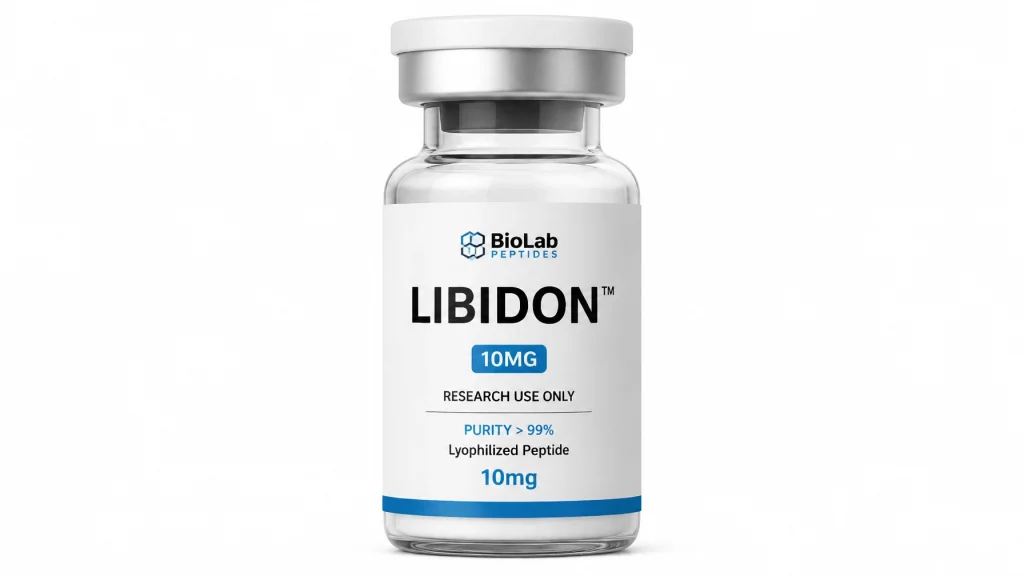
To overcome this cellular fatigue, you need targeted biological communication. Libidon utilizes short-chain peptide complexes (specifically code-named A-16, representing the prostate peptide complex) isolated via advanced extraction protocols from young animal tissue. Think of these peptides like molecular zippers or master keys that match specific segments of your DNA.
When introduced into your system, these bioregulators interact directly with chromatin, unwinding DNA strands to reactivate silent genes responsible for protein synthesis. By providing the exact chemical instructions your prostate cells need, Libidon initiates an immediate process of optimization and recovery.
Mechanism of Action: Orchestrating Cellular Renewal
The Problem: Localized Oxidative Stress and Tissue Degradation
Without active cellular maintenance, prostate tissue becomes vulnerable to lipid peroxidation: a process where free radicals steal electrons from cell membranes, causing structural breakdown. This leads to chronic low-grade inflammation, discomfort, and a progressive loss of functional tissue elasticity.
The Solution: Targeted Tissue Specificity and Metabolic Synergy
You can think of your prostate tissue as a specialized sports team where communication has broken down due to exhaustion. Libidon acts as a veteran coach, stepping in to restore coordination and metabolic efficiency among individual cellular players.
Key mechanistic actions include:
- Targeted Affinity: Peptides home directly to prostate epithelial and stromal cells, ensuring precise delivery without systemic wastage.
- Antioxidant Defense Boost: Stimulates endogenous antioxidant enzymes to neutralize free radicals and halt lipid peroxidation.
- Gene Expression Normalization: Resets aberrant protein production, encouraging healthy cellular division and structural restoration.
| Feature / Metric | Conventional Approach | Libidon (A-16 Bioregulator) |
|---|---|---|
| Primary Target | Symptom suppression (e.g., relaxing smooth muscle) | Cellular regeneration and gene expression restoration |
| Mechanism | Receptor antagonism or hormone blocking | Direct peptide-DNA interaction for protein synthesis |
| Tissue Specificity | Broad systemic effects with potential side effects | High organ-specificity for prostate and reproductive tissue |
| Goal | Acute management | Long-term biological optimization and recovery |
