
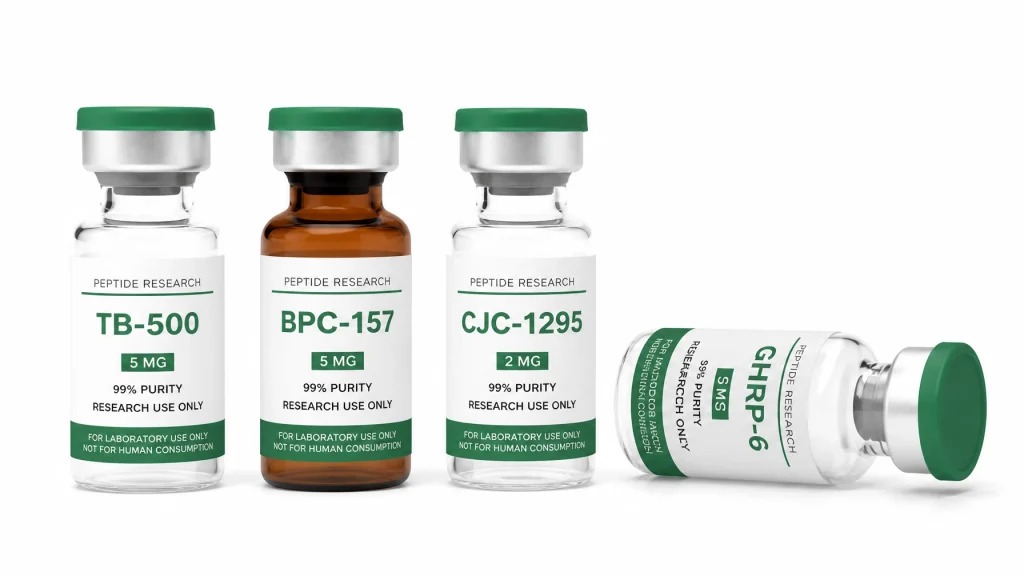
The Powder Phase: Managing the “Hibernation” State
Before you ever add a drop of bacteriostatic water, your peptide exists in a state of “hibernation” known as lyophilized powder. This freeze-dried state is remarkably stable, but it isn’t invincible. Consider this powder like a set of intricate architectural blueprints. As long as they stay dry and cool, they are easy to read. If they get damp or scorched, the instructions become garbled.
The Threat of Moisture Ingress
Lyophilized peptides are hygroscopic, meaning they act like a sponge for any moisture in the air. If moisture enters the vial (moisture ingress), it triggers a process called hydrolysis. This is the biological equivalent of a zipper getting stuck; the peptide chain begins to “unzip” or degrade before you even start your research.
Focus on this: Always ensure your vials have a pristine vacuum seal. If you notice the powder looks “clumpy” or “melted” before you’ve even added liquid, moisture has likely compromised the integrity.
Temperature Control for Long-Term Storage
For long-term storage of unmixed powder (months to years), your freezer is your best friend.
- Ideal Range: -20°C to -80°C.
- The Room Temp Rule: While most lyophilized peptides can survive at room temperature for a few weeks during shipping, you should minimize this exposure. Once your package arrives from wlaustralia.com.au, move it to cold storage immediately.
Refrigerator Geography: Where Stability Lives
Once you reconstitute a peptide, it moves from “hibernation” to “active.” In this liquid state, the peptide molecules are much more fragile: think of them as shifting from a solid block of ice to a delicate glass sculpture.
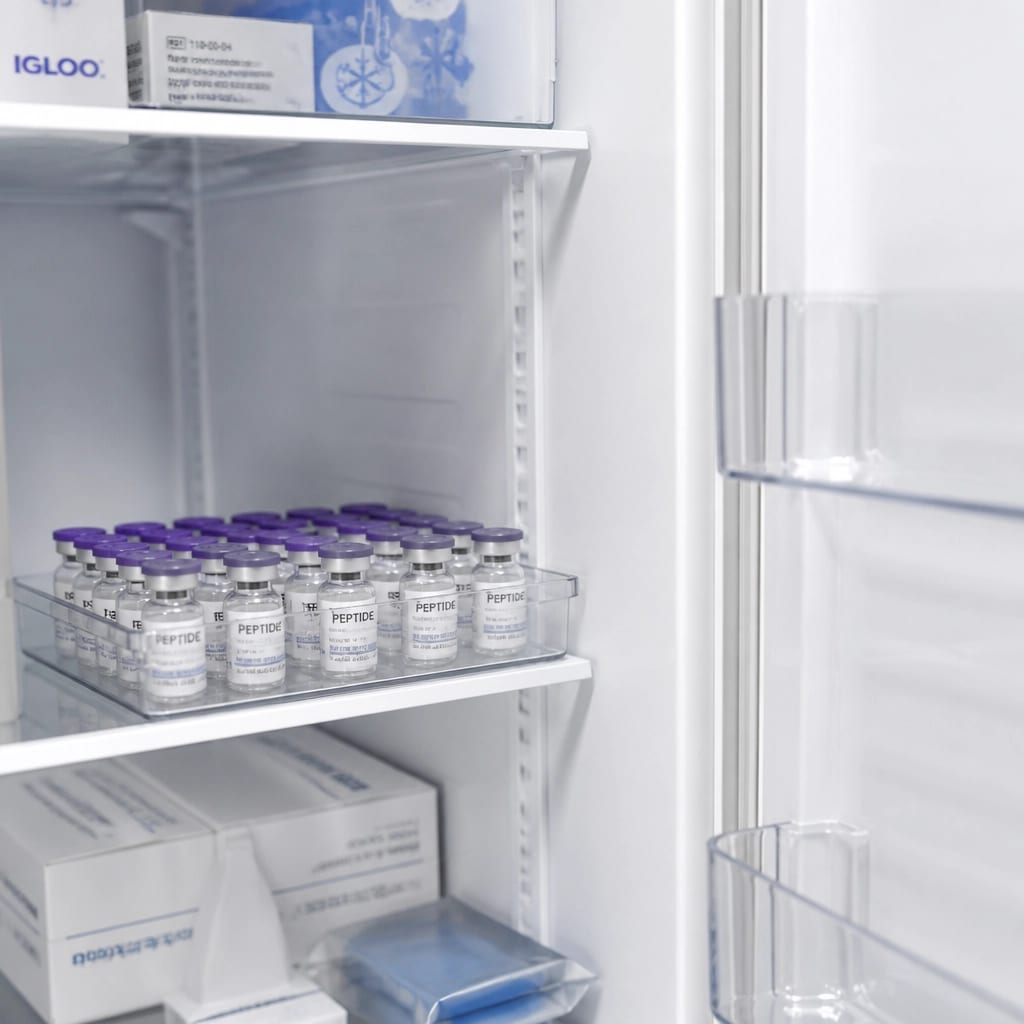
Avoid the “Door Trap”
Many people instinctively put their vials in the refrigerator door. This is a mistake. Every time you open the fridge to grab a snack, the door experiences a massive temperature spike. This constant “thermal cycling” stresses the peptide bonds.
Consider this strategy for refrigerator placement:
- The Back/Middle Shelf: This is the “Goldilocks Zone.” The temperature here is the most consistent (usually between 2°C and 8°C).
- Avoid the Crisper: It’s often too humid.
- Avoid the Cooling Element: If a vial touches the very back wall of some fridges, it can actually flash-freeze, which leads us to our next problem.
