
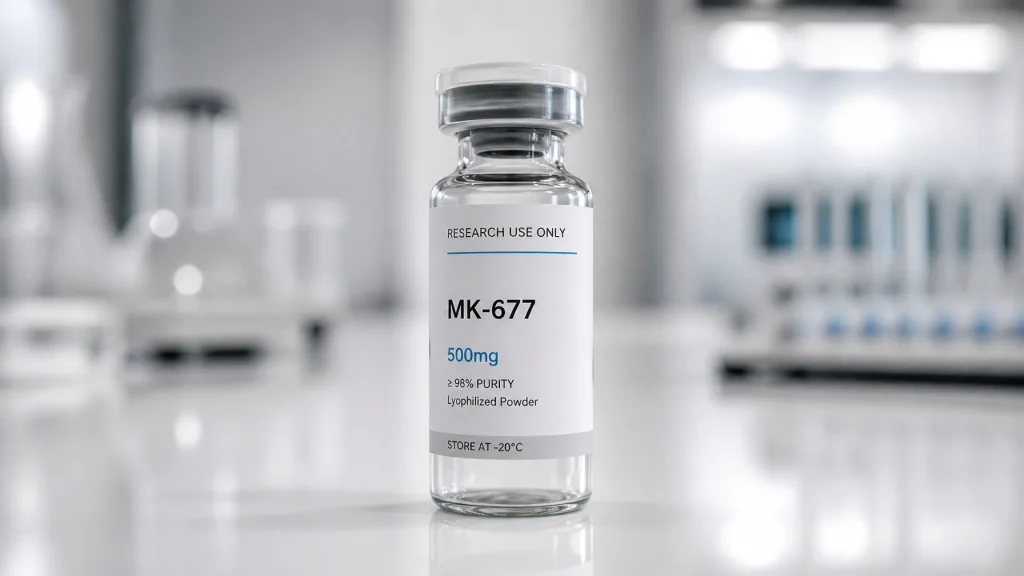
The Science of Cellular Currency
Nicotinamide adenine dinucleotide (NAD+) is a ubiquitous coenzyme found in every single living cell. Think of it as the ultimate “cellular currency.” Without it, your mitochondria: the powerhouses of your cells: simply cannot function. In its essence, NAD+ acts as a critical electron carrier in redox reactions, the chemical processes that transform the food you eat into usable energy.
Scientifically, it exists in two states: NAD+ (the oxidized form) and NADH (the reduced form). The constant cycling between these two states is what facilitates the production of ATP (adenosine triphosphate), the fuel that powers everything from your heartbeat to your cognitive processing.
Mitochondrial Mastery: Boosting ATP
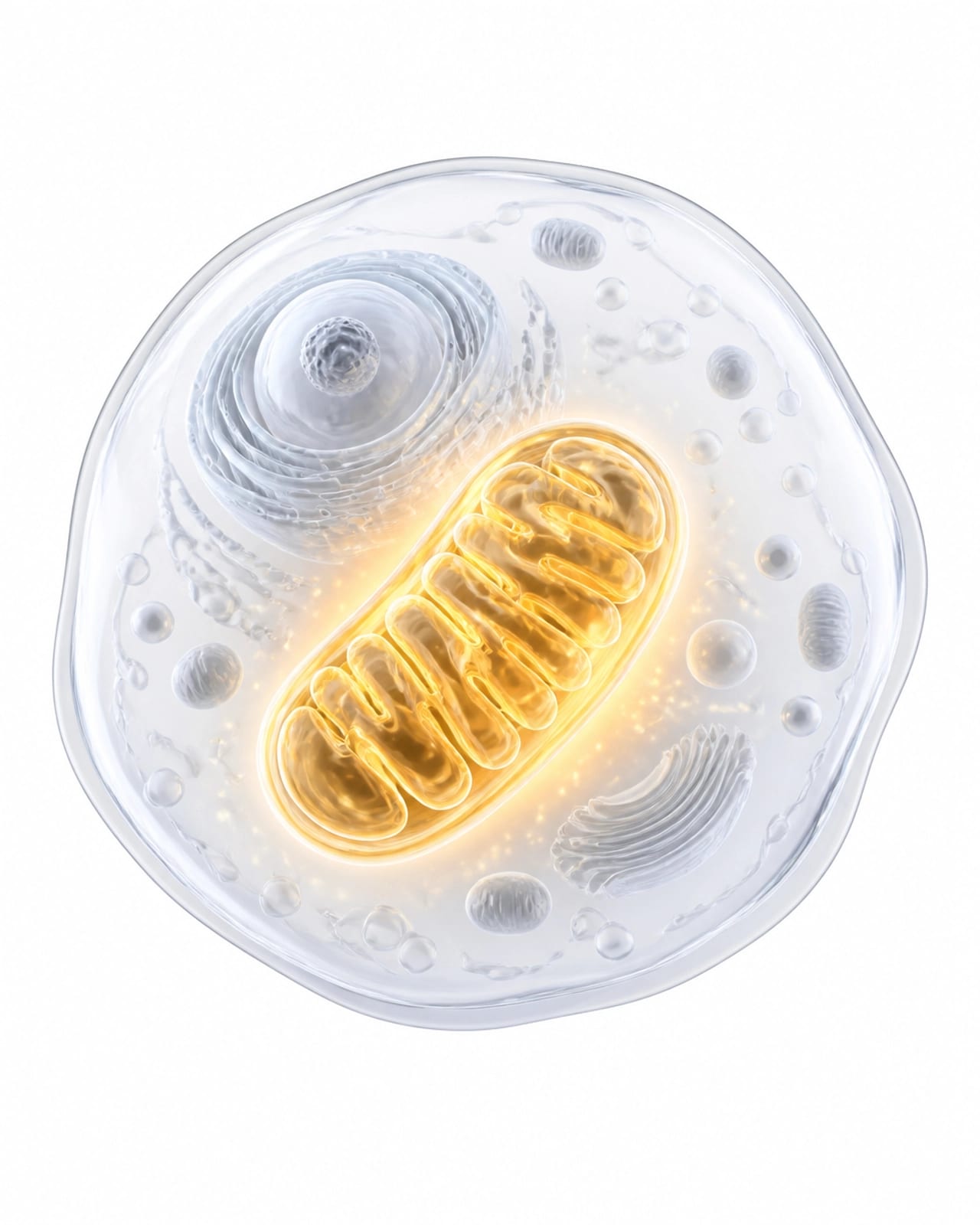
As we age, our natural levels of NAD+ take a significant hit. This decline is often linked to mitochondrial dysfunction: the cells literally run out of gas. When you research ways to replenish these levels, you’re looking at a fundamental “recharging” of the cellular battery.
By optimizing the NAD+/NADH ratio, researchers have observed a dramatic shift in metabolic efficiency. This isn’t just about feeling a bit more “awake”; it’s about Transforming the way your body handles oxidative stress and energy demands at a molecular level. Maintaining high NAD+ levels ensures that your mitochondria remain robust and capable of producing the high-yield ATP required for peak physical and mental performance.
The Longevity Switch: Sirtuins and PARPs
Beyond its role in energy production, NAD+ serves as a vital substrate for several enzyme families that are directly responsible for cellular health and repair. This is where the “scientific luxury” of NAD+ truly shines as a longevity tool.
- Sirtuins (The Longevity Genes): These are a family of NAD-dependent deacetylases that regulate everything from gene expression to stress resistance. Sirtuins require NAD+ to function; without enough of it, these “guardians of the genome” go silent, leaving the cell vulnerable to age-related decline.
- PARPs (Poly-ADP-ribose polymerases): These enzymes are the frontline soldiers for DNA Repair. Every day, your DNA is bombarded by environmental stressors and metabolic byproducts. PARPs consume NAD+ to detect and fix these breaks, maintaining your genomic stability.
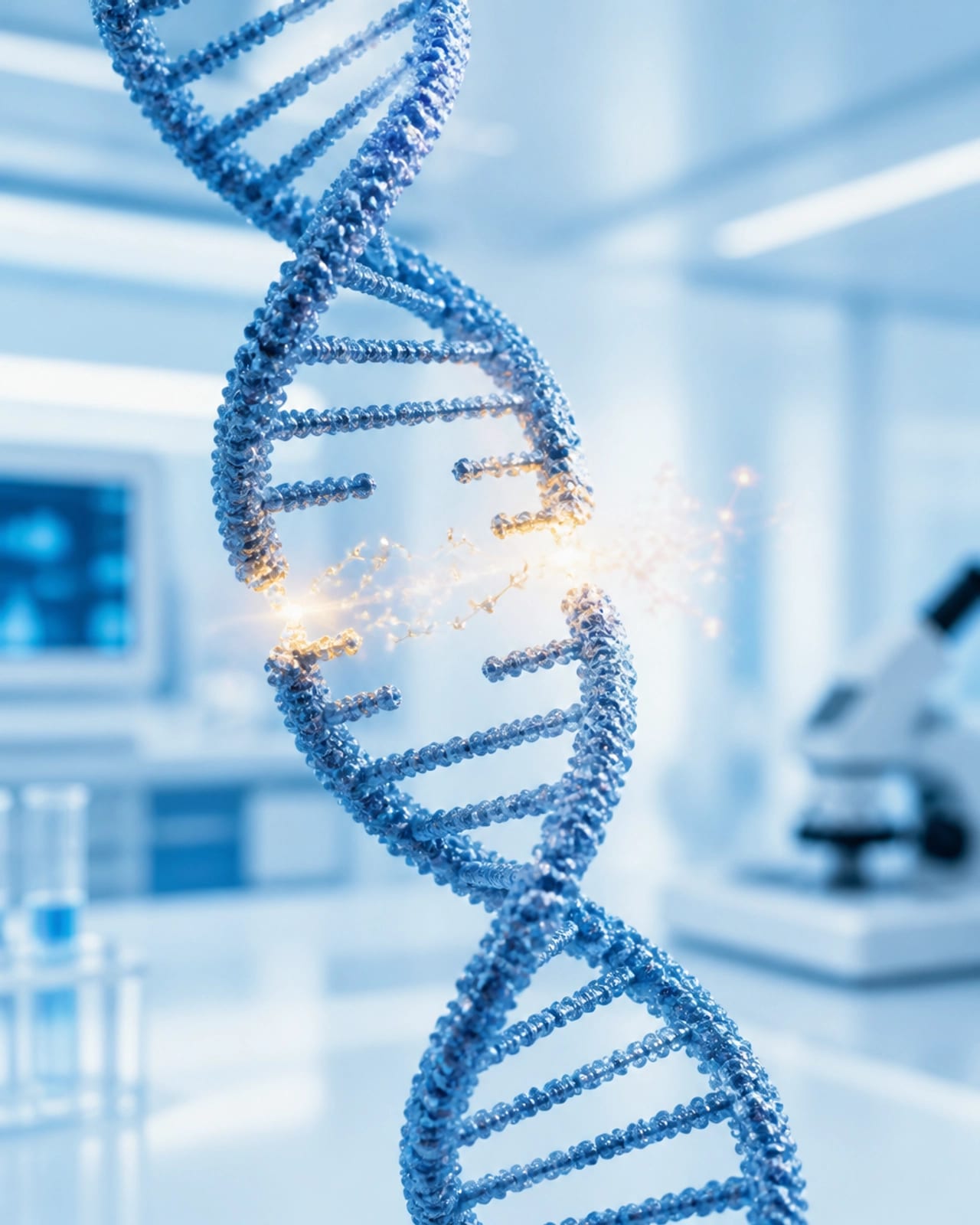
When you Revolutionize your cellular environment by supporting NAD+ levels, you are essentially providing the raw materials these enzymes need to “Unlock” their full protective potential. Research in animal models has shown that restoring NAD+ can actually reverse aspects of age-associated pathology, making it a cornerstone of modern life-extension protocols.
