
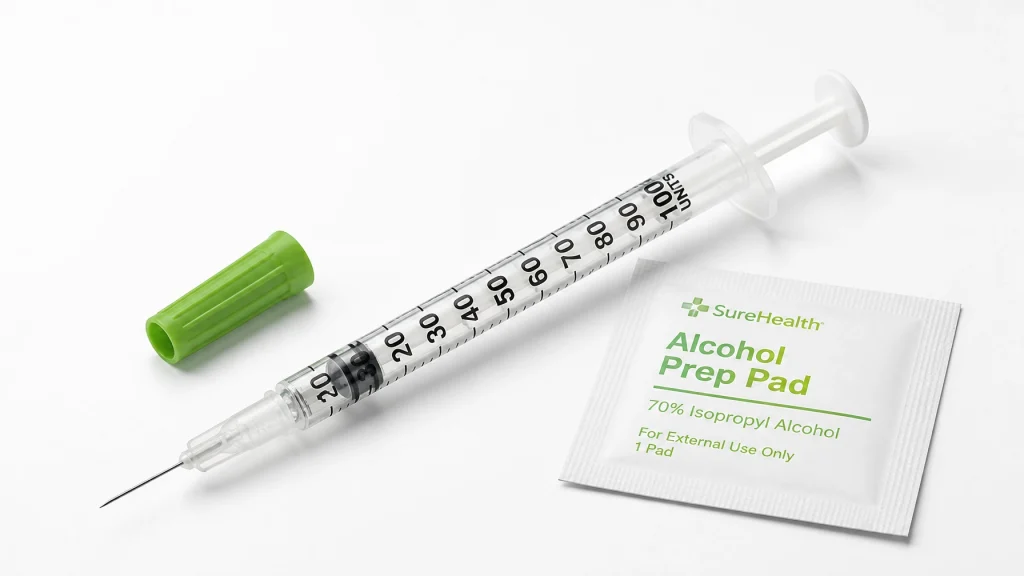
1. The Mental Construction Site: Rewiring Your Response
The first step to a painless experience isn’t physical: it’s mental. You need to manage your body’s internal hydraulics and its psychological alarm bells.
The Problem: The Vasovagal Response
Many people with needle phobia experience a drop in blood pressure, leading to dizziness or fainting. This is your body’s “emergency shut-off valve.”
The Solution: Applied Tension & Breathing
To keep your internal pressure stable, focus on these two protocols:
- Applied Tension: If you feel faint, sit down and tense the muscles in your arms, legs, and buttocks for about 10–15 seconds until you feel a flush of warmth in your face. This prevents the blood pressure drop.
- Controlled Breathing: Imagine your lungs are a rhythmic bellows for a forge. Inhale deeply through your nose for 4 seconds, and exhale through your mouth for 6 seconds. This sends a “clear” signal to your nervous system, telling the security system there is no fire.
- The “Look Away” Strategy: You don’t need to watch the “construction” happen. Once you’ve lined up the site, look at a fixed point on the wall or a spot in the distance. Distraction is a powerful anesthetic.
Focus on this: You are in control of the dashboard. Your body is just reacting to data. By using these techniques, you are providing better data.
2. The Pre-Flight Check: Preparing the Site
Just as a carpenter wouldn’t drive a nail into unprimed wood, you shouldn’t inject without prepping the “surface.” Most pain from injections comes from poor preparation, not the needle itself.
The Problem: Stinging and Resistance
Cold medication and wet alcohol are the primary causes of that “sharp” stinging sensation.
The Solution: The 3-Step Prep
- Room Temperature Meds: Peptides like Semaglutide are often stored in the fridge. Injecting cold liquid feels like a bee sting. Take your vial out 20 minutes before use to let it reach room temperature. Think of it like warming up a car engine before a winter drive.
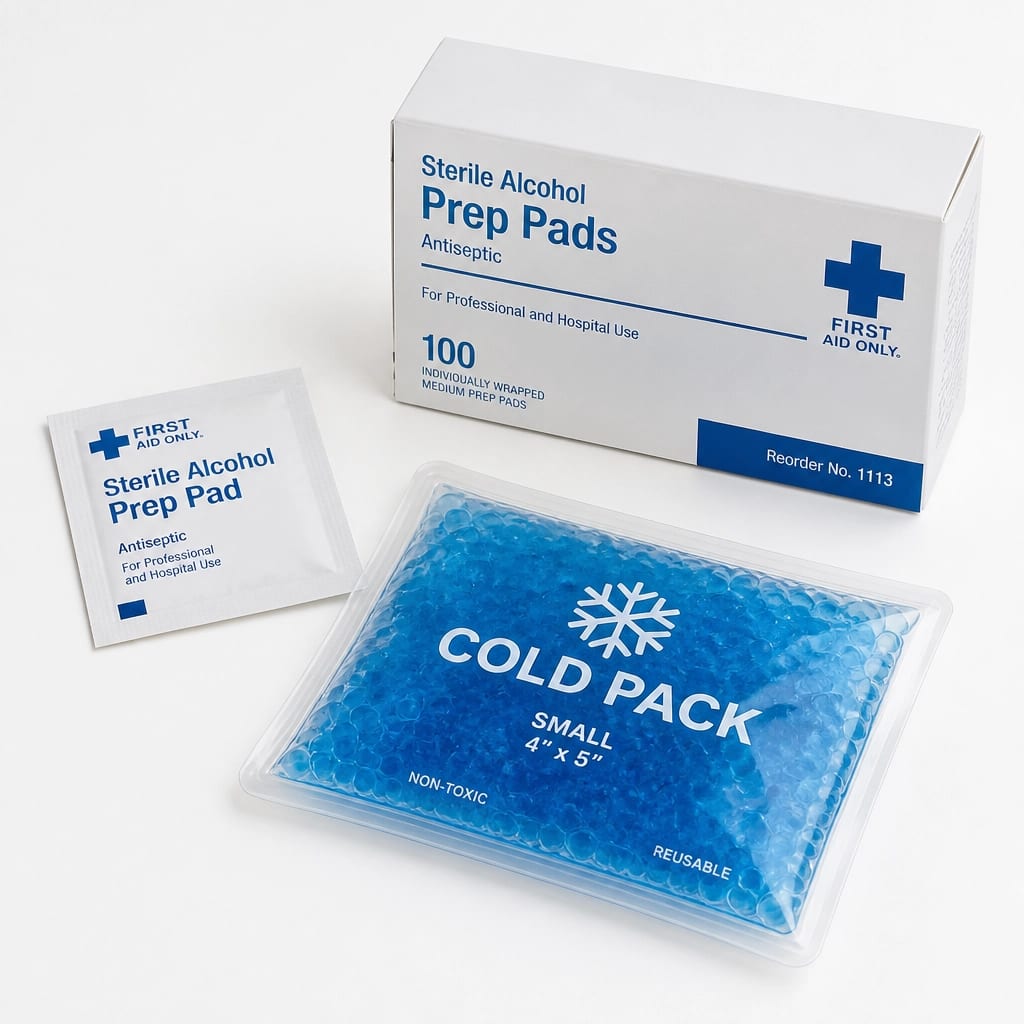
- The Ice Hack: For those with extreme sensitivity, apply a small ice pack to the site for 30–60 seconds. This “numbs the circuitry” of the local nerves, effectively putting them on a temporary “vacation.”
- The “Dry” Rule: After cleaning the site with an alcohol pad, wait at least 30 seconds for it to air dry completely. If you inject while the skin is wet, the needle drags the alcohol into the puncture, causing a chemical burn.
Consider this: Patience is the best painkiller. Let the site dry, let the vial warm, and you’ve already eliminated 80% of the discomfort.
