The Problem: The Neuronal “Wear and Tear”
In the modern world, our brains are constantly dodging bullets. From environmental toxins to the metabolic byproducts of a high-stress lifestyle, our neurons and their protective sheaths: the myelin: are under constant siege. This “neuronal wear and tear” can lead to brain fog, slowed cognitive processing, and eventually, more serious neuro-challenges.
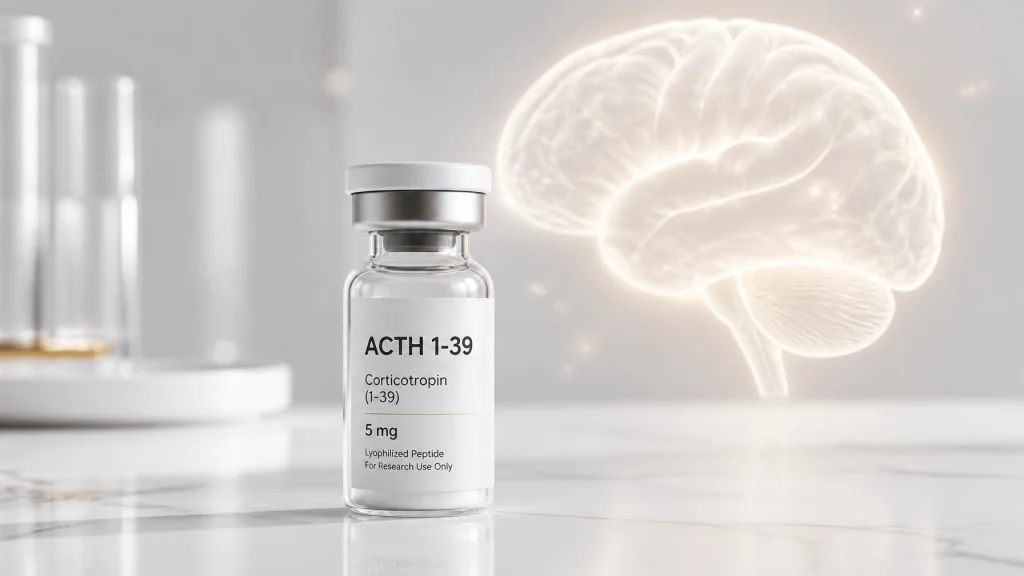
Researchers have been searching for a “Bio-Shield” that doesn’t just mask symptoms but actually supports the biological infrastructure of the brain. That’s where the ACTH 1-39 research compound shines.
Scientific Breakdown: What is ACTH 1-39?
ACTH 1-39 is a peptide hormone naturally produced in the anterior pituitary gland. While its most famous “day job” is stimulating the adrenal cortex to produce cortisol, researchers are obsessed with its “side hustle”: its interaction with Melanocortin Receptors (MCRs) in the brain.
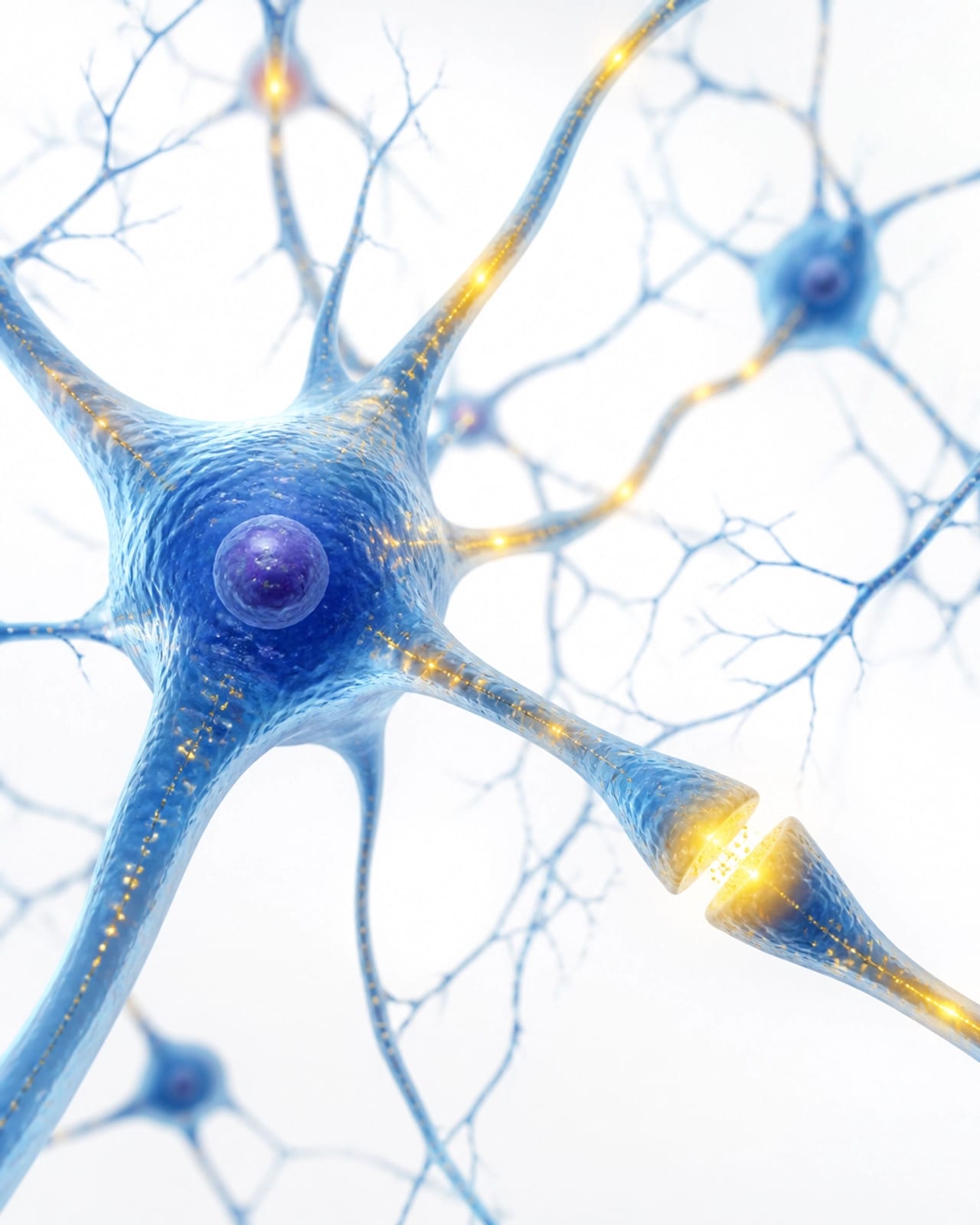
By targeting these specific receptors, ACTH 1-39 bypasses simple hormonal regulation and enters the realm of direct neuroprotection. It’s not just a hormone; it’s a sophisticated signaling molecule designed to maintain the integrity of the neural network.
1. Guarding the Hardware: Direct Neuroprotection
One of the most exciting aspects of ACTH 1-39 research is its ability to protect neurons from death induced by toxic insults. Whether it’s excitotoxicity (too much glutamate), oxidative stress, or apoptotic triggers, preclinical data suggests that ACTH 1-39 acts as a cellular guardian.
It doesn’t just stand by; it actively Combats the damage. By promoting neuron survival in the face of inflammatory or toxic stress, it provides a “safety net” for the brain’s most critical cells. In the world of research peptides, this is the gold standard for longevity and cognitive wellness.
2. Repairing the Insulation: Myelin and Oligodendrocytes
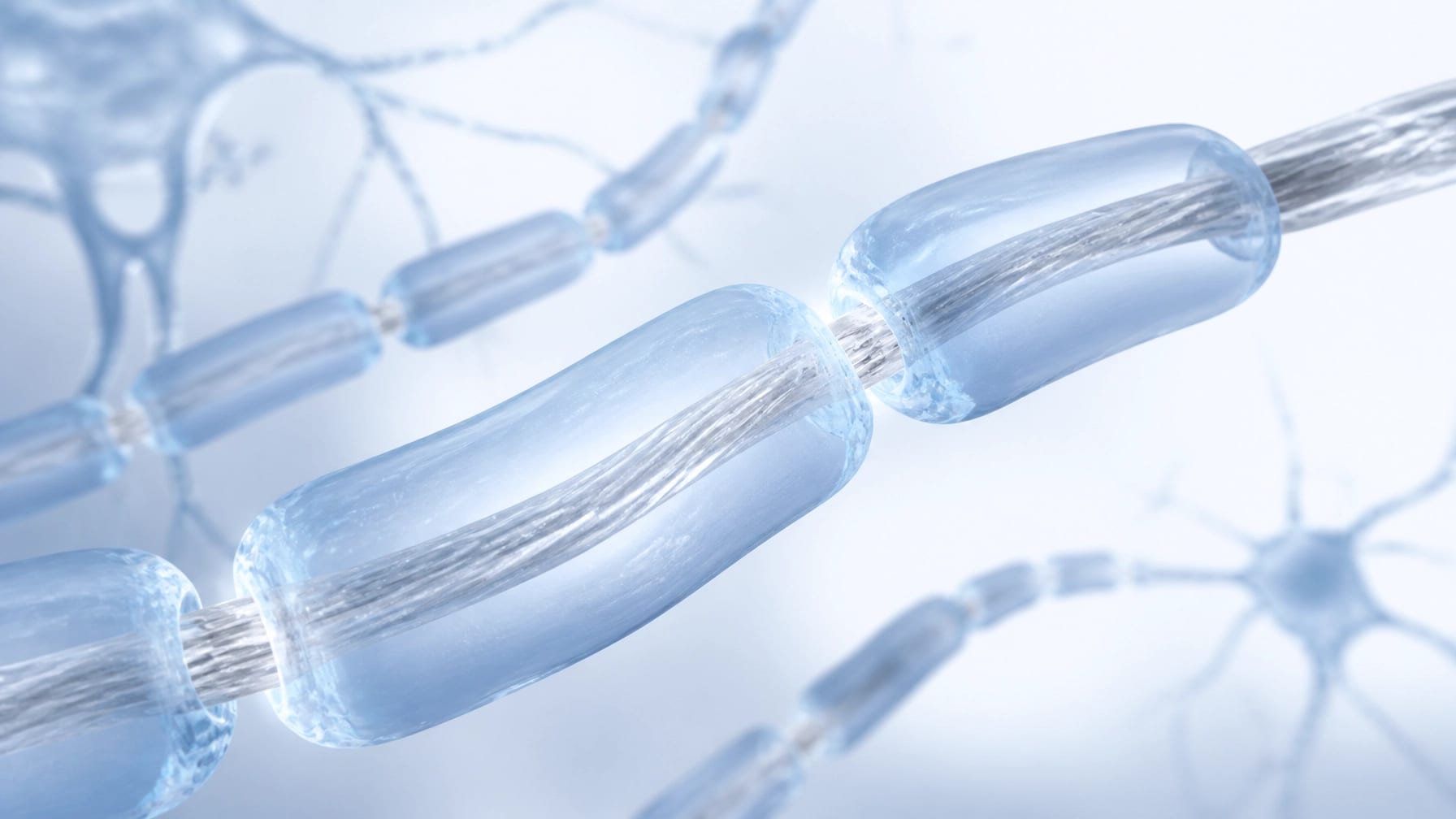
Think of your nerves like high-speed fiber-optic cables. For the signal to travel fast and clear, those cables need insulation. In the brain, that insulation is called Myelin. When myelin is damaged, the signal slows down: this is the biological root of many cognitive and motor issues.
ACTH 1-39 has shown a remarkable ability to stimulate the proliferation of oligodendrocytes: the specialized cells responsible for creating and maintaining myelin.
- Proliferation: Increasing the number of “repair technicians” (OPCs) in the brain.
- Differentiation: Helping those technicians mature so they can actually do the work.
- Expansion: Promoting the growth of the myelin-like membrane sheets that wrap around neural fibers.
By supporting the “insulation” of your CNS, ACTH 1-39 aims to Transform the speed and efficiency of your internal communication.