What is P21? The Synthetic Vanguard of CNTF
P21 (often referred to as P021) is a synthetic peptide fragment derived from the most biologically active region of human Ciliary Neurotrophic Factor. In the world of peptide research, CNTF is a heavy hitter: it’s known for promoting neuronal survival and differentiation.
However, full-length CNTF has a major drawback: in animal models, it can cause unwanted systemic side effects like weight loss and muscle wasting. P21 was engineered to bypass these hurdles. It mimics the positive, neurogenic effects of CNTF without the “baggage.”
At Weight Loss Australia (WLA), we offer P21 10mg vials designed for high-precision laboratory research. It is a small, stable peptide that acts as a CNTF mimetic, unlocking the potential for neuronal repair and cognitive enhancement.
The Mechanism of Action: Rewiring the Neurogenic Niche
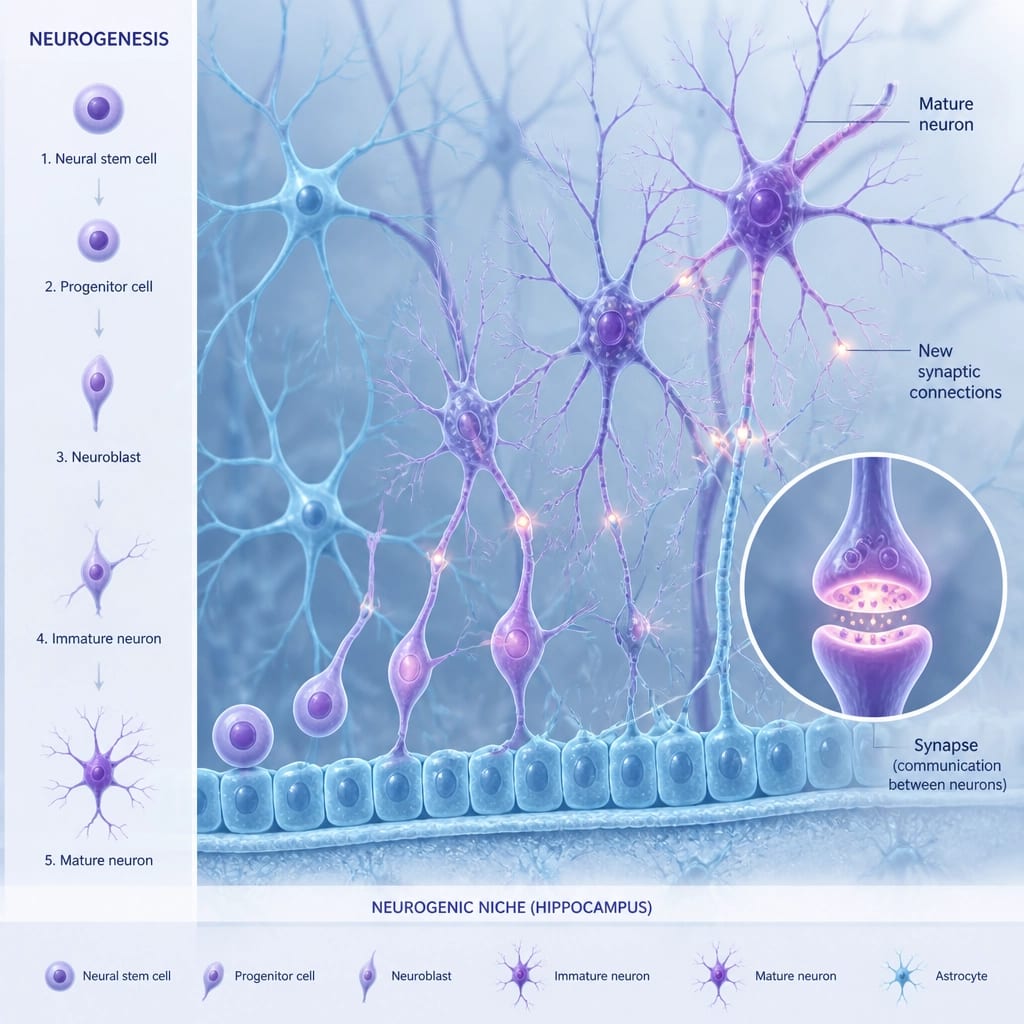
To understand why P21 is a game-changer, we have to talk about the Hippocampus: the brain’s command center for learning and memory. Most peptides simply modulate neurotransmitters (like caffeine or basic nootropics). P21 goes deeper. It targets the neurogenic niche.
1. Inhibition of LIF Signaling
In the brain, there is a “brake” on the production of new neurons called Leukemia Inhibitory Factor (LIF). In many research models of aging or cognitive decline, LIF signaling is overactive, preventing the birth of new neural progenitor cells.
P21 acts as a competitive inhibitor of LIF. By blocking this signaling pathway, it effectively “removes the brake,” allowing the brain to engage in adult hippocampal neurogenesis.
2. Upregulation of BDNF and NT-3
Brain-Derived Neurotrophic Factor (BDNF) is often called “Miracle-Gro for the brain.” P21 research has shown a significant increase in BDNF and Neurotrophin-3 (NT-3) levels. These proteins are critical for:
- Neuronal Survival: Keeping existing neurons healthy and functional.
- Synaptic Plasticity: Strengthening the connections (synapses) between neurons.
- Dendritic Growth: Expanding the “branches” of neurons to improve communication.
3. Combatting Aβ and Tau Pathology
In Alzheimer’s research models (like the 3xTg-AD mice), P21 hasn’t just improved memory: it has shown a remarkable ability to reduce the accumulation of Amyloid-beta (Aβ) plaques and Tau phosphorylation. This positions P21 as a potential “disease-modifying” compound in the search for neuro-restorative therapies.